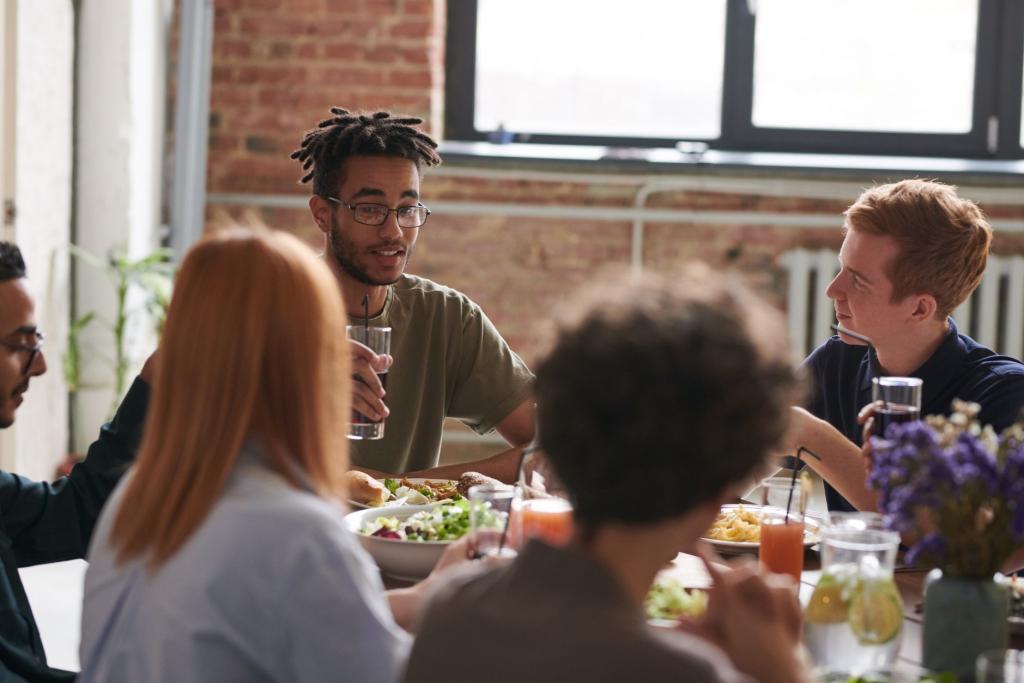
Dining out is not disappearing, but it is shrinking. A new study from Popmenu found that 67 percent of United States consumers are spending less at restaurants than they did last year, and 60 percent say they are dining out less frequently, as reported by QSR Web on October 1, 2026.
The pullback shows up in household budgets. Roughly 30 percent of monthly food budgets now goes to restaurants, down from a high of 40 percent in 2022, according to the study, titled "What Restaurant Guests Want Right Now." Popmenu CEO Brendan Sweeney said in a press release that "restaurants have pushed menu prices about as far as they can go," adding that diners are looking for value and incentives to return.
This matters most for younger diners, who eat out socially but have the thinnest margins. A dinner that once felt casual can now swallow a meaningful chunk of a weekly budget, which is why the trade-down is landing hardest on people early in their careers. The study's numbers suggest the social habit of dining out is surviving, but the luxury version of it is on pause.
Rather than quitting restaurants entirely, consumers are changing how they spend once they are through the door. More than half of respondents said they now order water instead of buying beverages, a quiet cut that can shave dollars off every check. Half are choosing pickup over delivery to dodge fees and surcharges, while 48 percent lean on coupons or rewards apps and 47 percent simply pick less-expensive restaurants.
The Numbers Behind the Dining Out Pullback
Average restaurant spending currently sits at about a hundred dollars a week. That is up from ninety dollars in February, but still well below the one hundred and fifteen dollars reported in June 2025, suggesting the summer bump faded as menu prices kept climbing. The share of food budgets flowing to restaurants has been sliding for four years, and value now ranks among the top factors in choosing where to eat.
Diners are also shifting formats. The study found consumers choosing quick-service, fast-casual, and casual restaurants more often, trading full-service sit-down meals for cheaper alternatives that still feel like going out. It is a pattern that echoes broader grocery trends: shoppers hunt deals on staples, as covered in our piece on Aldi's fall grocery savings, while cutting back on the priciest line items. More restaurant coverage lives on the cooking and recipes topic page.
What Diners Say Would Bring Them Back
The study makes one thing clear: diners are not asking restaurants to become cheaper across the board. They are asking for reasons to feel good about spending. Sixty-two percent said they prefer restaurants offering affordable meals and special deals, and 58 percent said they would spend more if offered a discount. Nearly half said a loyalty program would make them more likely to choose one restaurant over another.
That finding lines up with wider industry research. Mintel's 2026 research on United States restaurant decision-making flags menu price hikes as one of the key consumer concerns hurting restaurant traffic, with price pressure filtering choices earlier in the decision process. In other words, the sticker shock hits before diners even pick a spot.
AI Is Entering the Reservation Game
Technology is becoming part of the value equation too. Sixty percent of consumers said they are comfortable with restaurants using artificial intelligence to deliver faster or better service, and 27 percent now use AI tools such as ChatGPT to discover where to eat. For operators, that creates a new front door: being findable by an AI assistant may matter as much as showing up in a maps search.
The counterpoint is that restaurants are adapting rather than surrendering. Loyalty programs, targeted discounts, and AI-assisted operations are all ways operators can win back cautious diners without slashing menu prices outright. Sweeney's comment cuts both ways: if menu prices have hit their ceiling, the competition moves to who offers the smartest deal. For anyone still dining out this fall, the playbook is simple: order pickup, drink the free water, stack the loyalty app, and let a coupon decide the destination.
Comments 0
No comments yet. Be the first to share your thoughts!
Leave a comment
Share your thoughts. Your email will not be published.