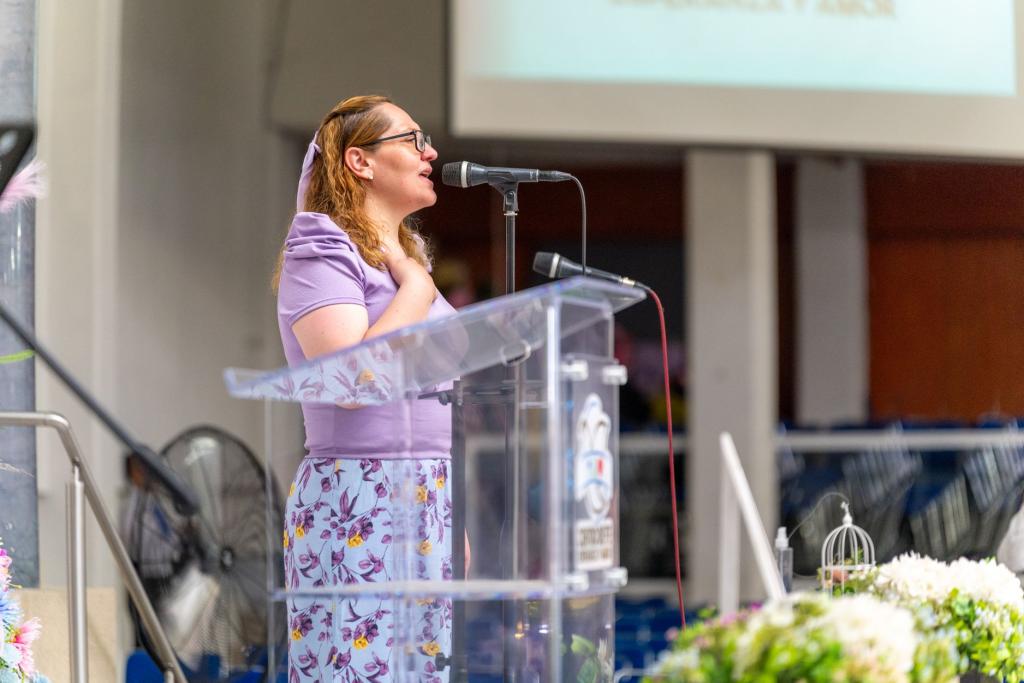
Democracy21 Spain just became the newest name on a crowded ballot, after lawyer Miriam González Durántez launched the party in Madrid on Saturday, less than two months before a snap general election. The pitch is simple: Spain is split into two rigid camps, and she wants to be the adult in the room.
The launch happened at the Domo 360 venue in the capital. According to Demócrata, the party had been registered with the Interior Ministry at the end of June, but this was its first big public moment in front of supporters and the press.
Why a brand-new party, and why now
Prime Minister Pedro Sánchez called the vote after parliament rejected his emergency housing measures. Reuters reported that the election is set for November twenty-ninth and that polls point to the conservative People's Party and far-right Vox likely winning a combined majority. That is a tough backdrop for any newcomer.
González Durántez is a trade and European law specialist who is married to former British deputy prime minister Nick Clegg. She spent the last three years touring Spain with a civic platform called España Mejor, pitching institutional reforms. She says that many of her ideas were politely heard and then ignored, which is why she decided to turn the movement into a party.
She also rejects the easy label. In an interview cited by Demócrata, she said the party is not specifically liberal or centrist, but a transversal project where people with different views can work toward consensus.
The housing play
Housing is the issue shaking Spain right now, so the party built its debut around it. Its message to the two big parties was blunt: take the government plane, go to Brussels, and negotiate to spend leftover European recovery money on affordable homes.
There is a catch, and Demócrata flags it. Spain has just filed its seventh and final payment request under the recovery plan, so how much money could really be redirected depends on European rules and on the Commission. The party's word "surplus" may be generous.
González Durántez has also pushed back on framing the crisis as owners versus tenants. Her focus is on young people who have jobs and degrees yet still cannot afford to move out, a story that will sound painfully familiar to a lot of Gen Z readers.
Cleaning up institutions
The party's main banner is institutional reform. The plan includes far fewer political advisers, merit-based hiring in the public administration, and judges choosing the judicial members of the General Council of the Judiciary directly. It also wants specialised anti-corruption courts and an independent public ethics office.
She argues that the Socialists and the People's Party have politicised key institutions for decades. Critics might say that is easy to claim from outside parliament, but the message lands at a time when corruption cases are a constant headline.
A very short runway
The clock is the biggest enemy. According to the Straits Times, carrying Reuters, the party will run only in Madrid and Barcelona this time, with plans to go national later. Demócrata adds that new parties without seats must collect signatures from a tenth of one percent of registered voters in each constituency, after the election call.
Names from the old Ciudadanos world are circling. Former Madrid vice president Ignacio Aguado has voiced support, and there have been contacts with the small party Cree, but no electoral deal has been announced yet.
The bigger campaign picture
Meanwhile, the major players are already out on the trail. according to France 24, Sánchez kicked off his campaign in Dos Hermanas, near Seville, while People's Party leader Alberto Núñez Feijóo rallied in Madrid promising a total change. Housing protesters camped in the Puerta del Sol square, and the main unions have called a general strike for November eleventh, the first in Spain since twenty twelve.
That is the arena Democracy21 Spain is stepping into: angry tenants, a divisive prime minister, a conservative bloc tipped to lead, and voters who are tired of both sides. Whether Democracy21 Spain, a brand-new party with seven weeks and two cities can break through is the open question.
For young voters, the interesting part is not the label but the test. If a reformist outsider cannot make headway on housing and trust in institutions during a crisis like this, it says something about how hard it is to disrupt Spanish politics. Follow more of our politics coverage as the campaign heats up.
Expect Democracy21 Spain to lean hard on social media and livestreams, since thousands reportedly followed its launch online. Read more on the wider fallout in our world coverage, and watch how the polls move once the first real campaign debates arrive in the coming weeks.
Comments 0
No comments yet. Be the first to share your thoughts!
Leave a comment
Share your thoughts. Your email will not be published.