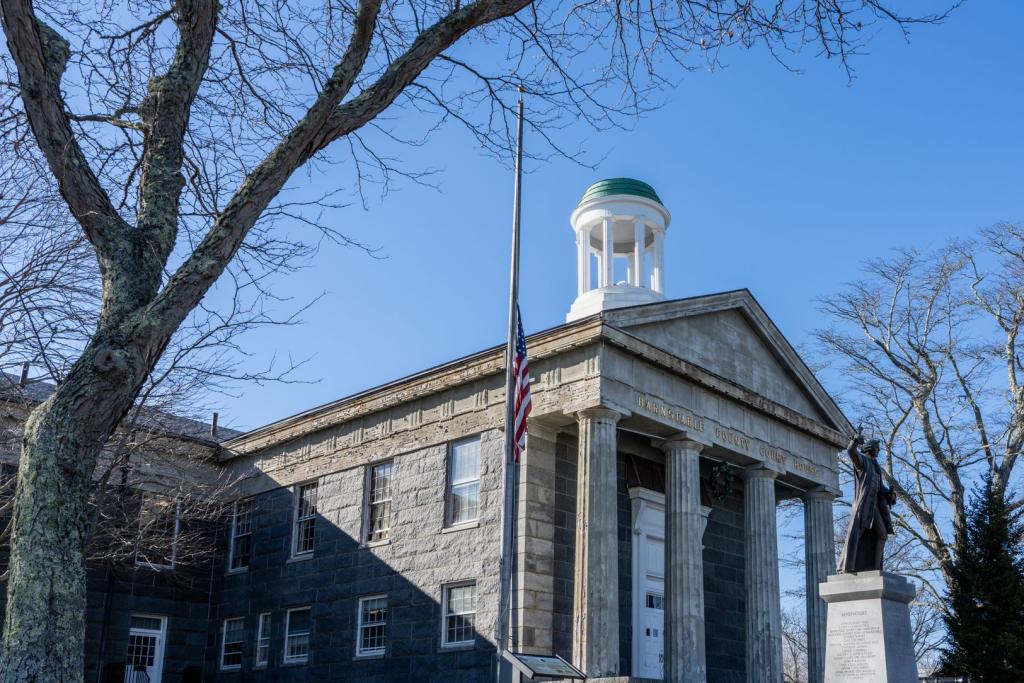
Arizona attorney general Kris Mayes filed a 93-page lawsuit against TikTok in Maricopa County Superior Court on Oct. 8, accusing the company of building an app designed to addict kids and teens. The complaint alleges violations of the Arizona Consumer Fraud Act, pointing to infinite scroll and autoplay paired with reward loops that push young users toward compulsive use. The Arizona TikTok lawsuit is the newest front in a growing state-by-state campaign against the app.
According to the attorney general's office, the same design choices expose minors to harmful content, from extreme videos to age-inappropriate recommendations, while TikTok's marketing presents the platform as safe for young people. The complaint also alleges that TikTok knew children under 13 were using the platform and failed to stop adults from using it to groom or solicit minors. "Behind the company's marketing is a platform engineered to exploit the vulnerabilities of developing brains," Mayes said in a statement announcing the case.
The placebo feed reset
The Arizona filing landed the same week that New York's separate lawsuit brought an uncomfortable claim to light. According to newly unsealed filings reported by Reuters and TechCrunch, TikTok gave thousands of users, including teens and children, a placebo version of its Algo Refresh tool. The feature is supposed to wipe a user's recommendations and make the For You page behave as if the account were brand new. Users who pressed the button saw a message saying the reset had worked, but their feeds kept serving the same kind of videos. Only users outside the experiment received a version that actually worked.
The complaint says TikTok then compared the two groups on time spent in the app and advertising revenue. It also quotes internal pushback. A product manager on TikTok's Digital Well Being team wrote in a chat that the feature was about "algorithm transparency and control" and that a placebo group completely conflicts with that goal. TikTok told Reuters it regularly tests products to understand how they work in the real world, and in a court filing the company acknowledged that its tests "may involve a portion of platform traffic that continued to receive the original experience," while denying that those users were left any less safe. It also follows a separate claim that TikTok gave teens a fake safety switch. Bloomberg reported in June that a different experiment withheld a safety feature from 15 million U.S. users, including a teenager who later died by suicide.
Alabama took the settlement route
Not every state wants a trial. On September 25, a Montgomery County judge signed a consent decree settling Alabama's case against TikTok days before it was scheduled to open. The agreement commits TikTok to pay $116.2 million, with another $183.8 million possible in tiers if other states sign similar deals, bringing the potential total recovery to $300 million, according to the attorney general's office and court records reported by GlobeNewswire.
The Alabama deal also changes the product itself. Teens aged 13 to 17 will default to a two-hour daily limit, lose access from midnight to 6 a.m., get notifications muted overnight and during school hours, and face restrictions on cosmetic procedure filters, while parents gain dashboards and scheduled time-away controls. The state described it as a first-in-the-nation agreement. TikTok did not admit wrongdoing in the settlement.
What this means for your For You page
Taken together, the cases form one of the largest legal campaigns against a single app in American history. New York's suit is one of more than two dozen brought by states accusing TikTok of addicting children and misleading users about safety, and school-district claims have already pushed platforms toward settlements. The practical question is whether the fixes will stay state-by-state or go national. Alabama's daily cap and nighttime lockout apply there only, for now, but each new settlement sets terms other attorneys general can copy. The appetite for restricting teen access is growing worldwide, from Turkey's under-fifteen social media ban to school-district suits in the United States.
For TikTok's youngest users, the stakes are concrete. The features at issue, autoplay loops, appearance-altering filters, the recommendation engine itself, are the same ones that fill a school-bus scroll. The Arizona TikTok lawsuit will test whether a state consumer-fraud law can reach inside the algorithm. The company has consistently said it tests features to improve the experience and that lawsuits misrepresent how its tools work. Court rulings, not press releases, will decide which version holds up.
Sources: Arizona Attorney General's Office; TechCrunch; GlobeNewswire.
Comments 0
No comments yet. Be the first to share your thoughts!
Leave a comment
Share your thoughts. Your email will not be published.