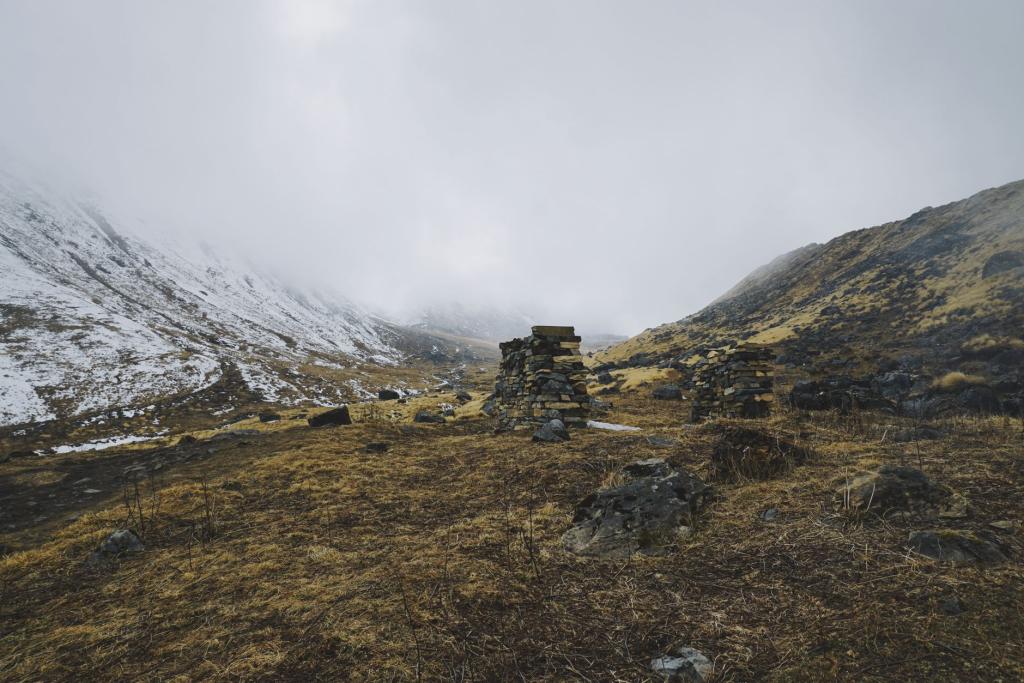
The Forgotten Ancient City above a Cretan village is giving up its secrets at last. Archaeologists working above Goulediana, southeast of Rethymno in Crete, are unearthing a settlement whose grand homes and long history may reshape how early island communities grew into city-states, according to a news report on the renewed excavations. The site, known today as Onithe, has been known to scholars for generations, but only now is systematic digging revealing how much of it survived.
Onithe sits on high ground with views across much of the island, a position that suited both defence and farming. Its identity remains a puzzle: researchers have proposed links with two ancient cities named in old sources, Osmida and Phalanna, but no firm identification has stuck. What is certain is the depth of its past. Traces of human presence reach back to the Neolithic era, pottery and finds show a Minoan chapter, and the settlement flourished during the Archaic era before occupation carried on into Roman times and beyond, with later layers from Byzantine, Venetian and Ottoman periods still visible around the site.
A City With No Certain Name
The modern story of Onithe began in the nineteenth century, when scholars first noted the ruins, and the first organised digs followed in the early nineteen-fifties under Greek archaeologist Nikolaos Platon. Those seasons uncovered two large dwellings from the city's heyday, and the bigger of the pair still ranks among the finest examples of domestic architecture from that period on the island. Finds from the early digs were striking enough that a street in Heraklion took the site's name, and part of the collection remains in the island's archaeological museum. After that promising start, work stalled for decades, leaving much of the city unexamined.
Systematic research resumed in 2018 under the Ephorate of Antiquities of Rethymno, the regional archaeological authority, and the dig is now directed by archaeologist Kyriakos Psaroudakis, who comes from the area. The current campaign is investigating a large complex from the seventh century BC, a find that could help explain how early urban communities and city-states took shape on the island. Unlike the famous palaces that dominate Cretan tourism, Onithe offers a rarer prize: a smaller, working city whose homes, walls and workshops show how ordinary islanders organised themselves as their settlements grew.
Why the New Dig Matters
The stakes are historical as much as local. The centuries when Cretan settlements were becoming true cities remain patchy in the record, and a well-preserved complex from that transition can fill gaps that written sources never covered. Onithe's affluent residences, fortifications and choice metalwork already sketch a robust and outward-looking community, one that traded and borrowed ideas from across the Aegean. Each new season adds detail to a picture that was, until recently, mostly guesswork, and researchers say the site's monuments from the sixth century BC are especially valuable for a period often treated as obscure in Cretan studies. The Forgotten Ancient City label fits Onithe precisely because its story was never written down in full.
For visitors, the site is already open to exploration on foot. A marked archaeological trail inaugurated in the autumn of 2019 winds through the ruins, taking walkers past an early Christian basilica, the ancient houses, the acropolis and a small church, alongside farmland and viewpoints that show why the hilltop was prized. The trail was built for the local cultural association with signposting to international standards, and it turns a dig that most travellers would never hear about into a day out. Ancient life keeps rewriting the record elsewhere too, as a newly described armoured amphibian rewrote life in ancient seas, while new research traced how Earth made its own water as it grew.
Caution belongs in the story as well. No systematic survey of the whole site has ever been carried out, according to an archaeological reference on Onithe, so the full extent of the city is still unknown and some conclusions rest on surface finds and partial excavation. The rival identifications with Osmida and Phalanna remain unresolved, which means every new structure could tilt the debate about which ancient city this actually was. That uncertainty is part of the appeal for the dig team: unlike a site whose story is settled, Onithe still has room to surprise, and the current campaign may yet produce the inscription or artefact that settles its name.
What comes next is more digging, more dating and more comparison with neighbouring cities. The team will keep working through the complex and the surrounding settlement, and each layer they open adds a chapter to a history that runs from Stone Age toolmakers to Roman farmers and beyond. For an island famous for one great palace civilisation, Onithe is a reminder that Crete's past is wider than its postcards, and that some of its most interesting cities are the ones history forgot, as reported by Crete Tip, with background from Archaeology Wiki and the Onithe footpath guide. Travellers drawn to museum collections may also enjoy the reopened welcome hall at the Griffin Museum.
Comments 0
No comments yet. Be the first to share your thoughts!
Leave a comment
Share your thoughts. Your email will not be published.