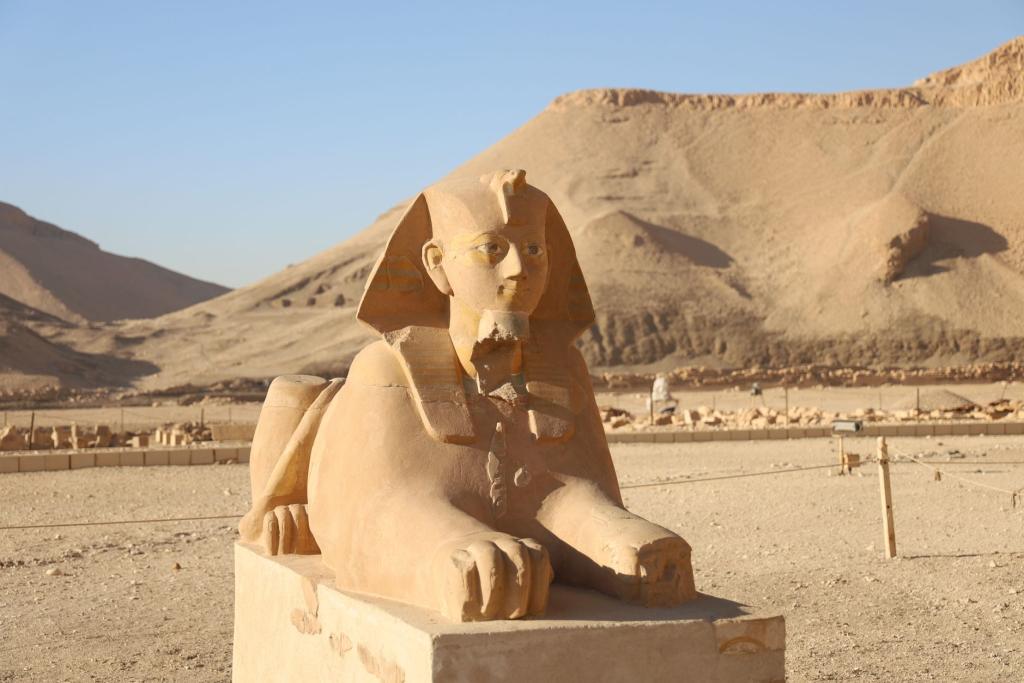
Stenciled Figures no bigger than a thumb have turned up where nobody expected them, in a rock shelter in South Africa that researchers had already recorded twice. The find is the first stenciled rock art ever reported for the southern part of the continent, according to reporting by Phys.org on a new study in a regional archaeology journal. What makes the pair of small humanlike shapes so striking is not their size alone. They were made with a template, a deliberate tool, rather than by tracing an existing object, a method that is rare even around the world.
The region already holds one of the most detailed and elaborate bodies of rock art anywhere, from herds of running antelope to dancing figures and beings with wings, hooves and horns. Almost all of that work was painted with fine brushstrokes or fingers. Stencils, by contrast, were missing from the record. Hands pressed against stone appear in other parts of the world, and everyday objects were used as templates across island Southeast Asia and the Pacific, but nothing like this had been documented in the south. That gap is what makes two small shapes, standing only a few centimetres tall, a genuine surprise.
A shelter that hid its secret in plain sight
The shelter sits in a highland province dotted with steep cliffs and shallow overhangs, most of which hold no paintings at all. Those that do are often faded, after centuries of sun, wind and rain washing paint from the rock. This shelter is different in an almost comic way: its floor is concreted, wooden pews and a makeshift pulpit stand inside, and it is occasionally used for church services. A place of worship and a canvas for ancient art share the same roof, and the art survived in that unlikely setting.
The shelter was first recorded in the mid-nineties and recorded again a quarter of a century later, yet an unusual splatter of paint went unnoticed through both surveys. The main paintings there, including antelope, eland and humanlike beings, follow the fine-line brush style associated with hunter-gatherer artists. The new shapes did not fit that pattern, and at first the lead researcher was unsure what he was seeing. Then, in his words, they popped into focus, a bit like optical illusions do. A discovery that hides through two full surveys is a reminder that fieldwork is not finished simply because a site has a file.
How a template changes the story
Making these shapes took planning. Someone had to shape a template, perhaps from beeswax, clay or wood, hold it against the rock face, and blow or splatter paint across its surface. The result is a pair of figures in red, each only a few centimetres tall, with edges that show the paint stopped where the template blocked it. That process is the opposite of a quick sketch. It means the maker arrived with an idea and a tool, not just pigment and a free hand.
The rarity of that method is the heart of the finding. Templates made specifically for stenciling are uncommon globally, and there is no local precedent, recorded history or ethnography to explain these particular shapes. According to the study coverage, the researchers are frank about that gap: the maker, the date and the meaning remain unknown. That honesty is also a counterpoint to the excitement. A first report can establish that something exists and how it was made without pretending to know why it was made, and the study does exactly that.
What the find means, and what it does not
One explanation is that more stencils once existed nearby and simply washed away, given how faded much of the area's art has become. Another is that stenciling was never mainly a shelter-wall art at all. People may have stenciled designs on bodies, clothing or stone-built structures, leaving only a rare trace on rock. Both ideas point in the same direction: absence from the record is not proof of absence from life. The researchers say they have searched the surrounding highlands for more examples and found little so far, but they leave open the chance that more survive, unnoticed, in other shelters.
For readers, the value of the find is less about two tiny figures than about what they imply for how history is read. A region long studied can still surprise its specialists, and a technique thought to belong elsewhere can turn up in a new place. The work also connects to a wider story of ancient life that continues to be rewritten by careful re-examination, from prehistoric creatures in coverage of a long-lived predator to medieval reuse of an old burial in the story of a reused abbey coffin. In each case, a familiar object gains a second chapter when someone looks again.
Stenciled Figures like these will not rewrite the whole history of the region on their own, and the researchers do not claim otherwise. They add diversity and complexity to a tradition already rich in images, and they raise a simple, useful question for anyone visiting a historic site: what might still be hiding in plain sight, waiting for a second look? Stenciled Figures answer that question with a small, red, unmistakable yes.
Comments 0
No comments yet. Be the first to share your thoughts!
Leave a comment
Share your thoughts. Your email will not be published.