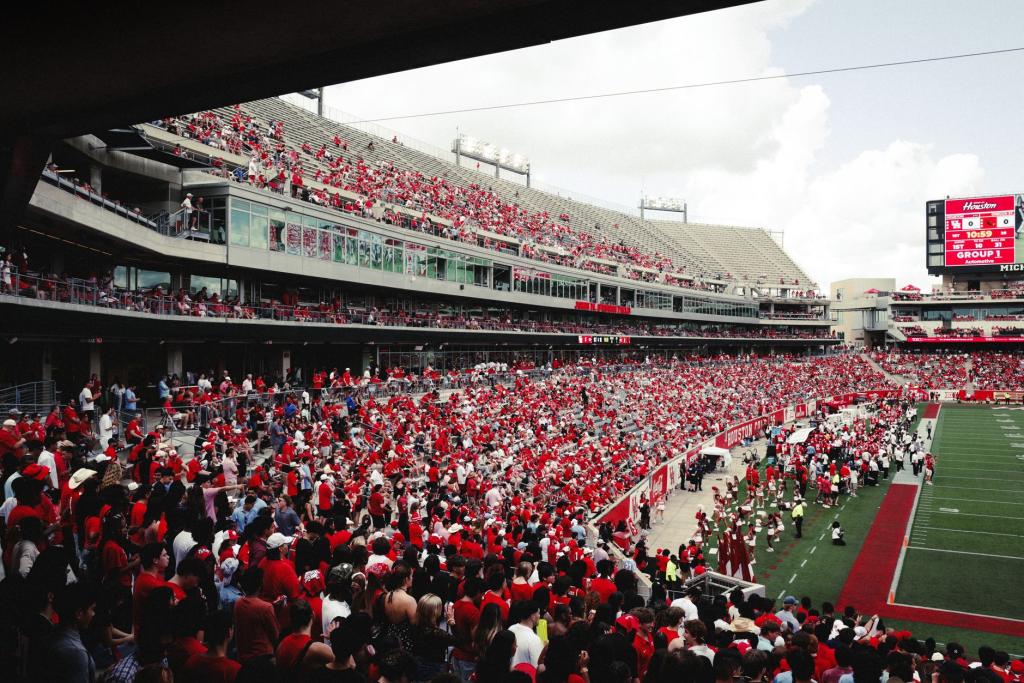
College Football Playoff expansion to 24 teams is basically happening. The playoff and ESPN reached a handshake agreement on Friday to broadcast a doubled field starting in the 2027 season, according to AP News. Nothing is signed yet, but the framework is set.
What was actually agreed
A person familiar with the talks told the AP the deal would make up for the huge sums the major conferences would lose by dropping their conference title games. The person asked for anonymity because the contract is unfinished. Many details remain open, and board approvals are still needed.
ESPN, quoting its own sources, said it would pay an average of three hundred forty-five million dollars more per year for the bigger field, according to ESPN. The extra money would cover five years, matching what is left of the current contract.
The money behind the move
ESPN and the playoff signed a six-year deal worth seven point eight billion dollars in March 2024, and it runs through the 2031-32 season. ESPN already pays about one point three billion dollars a year on average. The new payment sits on top of that.
The two sides opened a thirty-day negotiating window on September ninth. It closed October ninth, but talks kept going this week. The playoff said on Thursday that discussions with ESPN had been constructive and that more updates would come when appropriate.
What it means for the sport
The playoff grew from four to twelve teams in 2024. Doubling it again means twelve more games than the current format. The New Year's Six bowls are still expected to host the quarterfinals and semifinals, and the national title game stays in January.
The tradeoff is the conference championship games. Under the plan described by the AP, those December showdowns would go away, since the playoff money is meant to replace what the leagues would lose. For anyone who loves rivalry weekend followed by title Saturday, that is a real change.
Not everyone is cheering
Critics are loud. Pat Forde of Sports Illustrated argued that almost nobody in the general public asked for this and that diehard fans will be asked to foot the bill. His point is that a bigger field means more mid-tier teams chasing a bracket spot.
Supporters see it differently. More teams in the mix means more games that matter in November, and more schools staying alive late in the year. Streaming and TV partners also get far more premium live content to sell.
Here is why this matters even if you never watch a down of college football. Media rights deals are the engine of modern sports, and this one shows how much networks will pay for more live games. College football is one of the few things that still pulls huge live audiences, and ESPN is clearly betting that a bigger bracket pulls even more of them in.
Money flows downhill too. Schools use television revenue to fund everything from stadium upgrades to athlete payments, so the size of this deal shapes how programs recruit and compete. Smaller programs hope an expanded field gives them a real shot at a national spotlight, while the biggest brands expect to keep collecting the largest checks.
The calendar is another open question. Adding twelve more games stretches the postseason, and players, coaches and campuses will have to deal with a longer December and January. Early rounds are likely to be played at campus sites in the current format, and fans will be watching to see whether that carries over once the field doubles.
Investors noticed too. Disney, which majority owns ESPN, saw its shares rise about one point six percent after the first report, according to StreetInsider. More premium live content gives the company more to sell across its cable and streaming products.
What to watch next
Watch for a formal contract, approval from all the parties involved, and a decision on how teams get in. Under the current twelve-team setup, the highest ranked champion from smaller conferences earns an automatic bid, and that piece will likely be revisited.
For now, College Football Playoff expansion is an agreement in principle, not a finished product. If it holds, the 2027 season will look very different from this one. Catch more on sports in our sports coverage.
Comments 0
No comments yet. Be the first to share your thoughts!
Leave a comment
Share your thoughts. Your email will not be published.