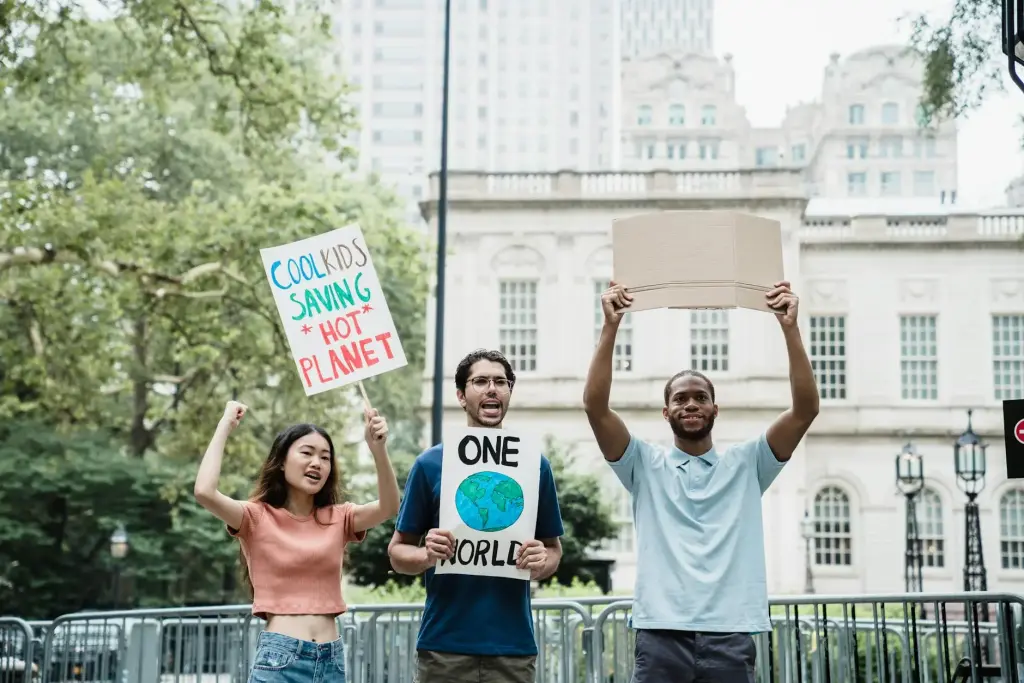
The climate emergency is no longer a distant threat looming on the horizon, it is the defining crisis of our time unfolding in real time. From record-breaking heatwaves and devastating wildfires to unprecedented flooding and accelerating species extinction, the impacts of climate change are now impossible to ignore. According to the Intergovernmental Panel on Climate Change, we have less than a decade to make dramatic emissions reductions to avoid catastrophic warming beyond 1.5 degrees Celsius. For Gen Z, this is not abstract science, it is the reality of inheriting a planet in crisis.
The Science Behind the Climate Emergency
The scientific consensus on the climate emergency is overwhelming and unequivocal. Human activities, primarily the burning of fossil fuels and deforestation, have increased atmospheric carbon dioxide levels by more than 50% since the Industrial Revolution. This rapid increase in greenhouse gases traps heat in Earth's atmosphere, disrupting weather patterns, raising global temperatures, and triggering cascading environmental impacts that threaten ecosystems and human societies worldwide.
The consequences of the climate emergency are already visible across the globe. Arctic sea ice is declining at unprecedented rates, threatening polar ecosystems and contributing to rising sea levels. Coral reefs, which support approximately 25% of all marine species, are experiencing mass bleaching events due to warming oceans. Extreme weather events, from hurricanes and droughts to heatwaves and wildfires, are becoming more frequent and intense, causing billions of dollars in damage and displacing millions of people.
Perhaps most alarming is the concept of climate tipping points, thresholds beyond which changes become self-perpetuating and irreversible. The melting of the Greenland ice sheet, the thawing of Arctic permafrost releasing methane, and the dieback of the Amazon rainforest represent potential tipping points that could accelerate warming beyond human control. Avoiding these tipping points requires immediate, dramatic action to reduce emissions and transition to renewable energy sources.
How Gen Z Is Leading Climate Action
Gen Z has emerged as the driving force behind the climate emergency movement, bringing urgency, creativity, and moral clarity to the fight for a sustainable future. Young activists like Greta Thunberg have galvanized millions through school strikes and public advocacy, demonstrating that climate action cannot wait for future generations. The Fridays for Future movement, started by students skipping school to demand climate action, has grown into a global phenomenon with millions of participants across more than 150 countries.
Beyond protests and advocacy, Gen Z is driving change through innovation and entrepreneurship. Young founders are launching climate tech startups focused on renewable energy, carbon capture, sustainable agriculture, and circular economy solutions. Climate-focused venture capital is flowing to young entrepreneurs who combine technical expertise with commitment to environmental sustainability. This generation recognizes that solving the climate emergency requires not just activism but also building the technologies and businesses that will power a sustainable economy.
Gen Z is also reshaping consumer behavior and corporate accountability. Young consumers increasingly prioritize sustainability in purchasing decisions, rewarding companies with genuine environmental commitments and punishing those engaged in greenwashing. Social media amplifies these choices, creating powerful incentives for businesses to adopt sustainable practices. The climate emergency has become a lens through which this generation evaluates brands, employers, and political leaders.
What You Can Do About the Climate Emergency
Individual action matters in addressing the climate emergency, even though systemic change is essential. Reducing personal carbon footprints through lifestyle choices sends signals to markets and policymakers while building collective momentum for larger transformations. Simple changes like reducing meat consumption, using public transportation, minimizing air travel, and improving home energy efficiency can significantly reduce individual emissions while modeling sustainable behavior for others.
Political engagement is crucial for addressing the climate emergency at scale. Voting for candidates with strong climate platforms, contacting elected representatives about environmental legislation, and supporting climate-focused organizations amplifies individual impact. The climate emergency requires policy solutions including carbon pricing, renewable energy subsidies, and regulations that internalize environmental costs. Political pressure from engaged citizens drives these necessary changes.
Career choices also represent opportunities for climate impact. Working in renewable energy, sustainable agriculture, environmental law, conservation, or climate technology allows individuals to contribute professionally to solutions. Even in traditional industries, employees can advocate for sustainable practices and help companies transition toward lower-carbon operations. The climate emergency demands contributions from every sector and profession.
The Path Forward: Hope Amid Crisis
While the climate emergency presents unprecedented challenges, reasons for cautious optimism exist. Renewable energy costs have plummeted, making solar and wind power economically competitive with fossil fuels in many markets. Electric vehicle adoption is accelerating, with major automakers committing to phase out internal combustion engines. Countries representing the majority of global emissions have pledged net-zero targets, though implementation remains inconsistent.
Technology continues to advance, with innovations in battery storage, green hydrogen, and carbon capture offering pathways to decarbonize difficult sectors. Nature-based solutions including reforestation and sustainable agriculture can remove carbon from the atmosphere while providing co-benefits for biodiversity and local communities. The climate emergency is driving innovation at unprecedented scales, creating opportunities for transformative solutions.
As reported by the Intergovernmental Panel on Climate Change and the United Nations Framework Convention on Climate Change, the window for avoiding the worst impacts of the climate emergency is narrowing but not yet closed. Gen Z's leadership, combined with technological innovation and political will, offers a pathway toward a sustainable future. The question is not whether we can afford to act, it is whether we can afford not to.
Comments 0
No comments yet. Be the first to share your thoughts!
Leave a comment
Share your thoughts. Your email will not be published.