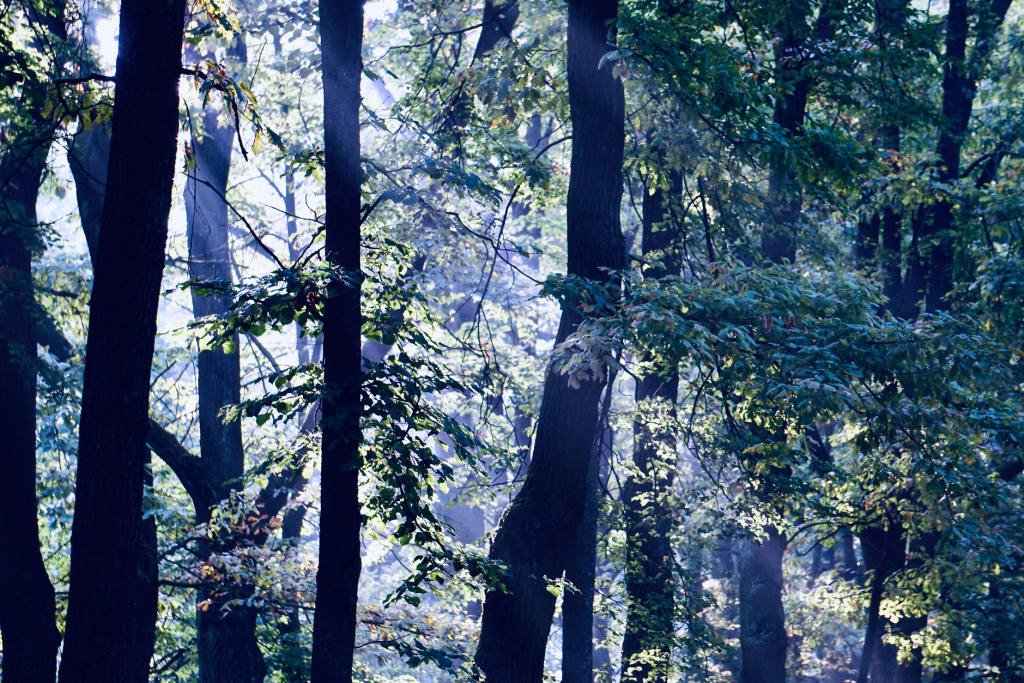
City Trees Cool Streets, but the species planted on your block may decide how much pollen you breathe each spring, according to new reporting on urban tree research. A shady street feels better, as shown in humid-city greening research, on a hot day, and that benefit is real. Yet not every tree delivers its shade at the same cost to allergy sufferers, because some species release vast clouds of pollen while others release very little. For cities racing to plant more canopy, the lesson is that counting trees is not enough. Choosing them matters just as much.
The cooling case for trees is well established. Canopy shades pavements and buildings, lowers surface temperatures and makes walking, waiting for a bus or playing outside more bearable during a heat wave. That is why councils, developers and neighbourhood groups all push for more planting, and why a bare street can feel punishingly hotter than a leafy one a block away. According to the new report, however, the same planting drive can quietly raise pollen exposure if planners pick high-pollen species by habit, because they are tough, fast-growing or familiar, without checking what those trees release into the air.
What the pollen numbers actually show
City Trees Cool Streets, yet the pollen load on those streets varies sharply by species. A study by a United States forest researcher and a horticulturist scored urban forests in more than fifty cities and states on an allergy scale running from least to most allergenic. The average landed just above the middle of that scale, which means most city canopies carry a moderate allergy burden rather than a tiny one. That average hides wide gaps between places, and those gaps trace back to which trees dominate the local mix, not simply to how many trees a city has planted.
At one end of the scale sat a Texas city with the highest score, above eight, while a Canadian Atlantic port city recorded the lowest, just above four. The difference was not climate alone. It reflected the share of high-pollen species in each urban forest, and it shows why two cities with similar canopy cover can feel very different to someone with hay fever. A city that plants for shade alone may therefore solve one public health problem, heat, while worsening another, seasonal allergies and asthma flare-ups, unless it weighs both effects at planting time.
New York City offers the clearest close-up. An analysis of the city's street trees found that one familiar species, the London plane, was the largest single pollen producer, releasing nearly thirty quadrillion grains a year across the city. At a rooftop monitor near a major performing arts centre, that species together with oak, mulberry and birch accounted for more than seven in ten airborne tree pollen grains recorded over several years. The point is not that one tree is a villain. It is that a handful of dominant species can set the pollen tone for an entire city, and changing the mix, even gradually, changes what residents breathe.
Why cities kept planting the worst offenders
There is a reason high-pollen trees became city favourites, and it has a name that plant lovers use with a wry smile. Horticulturist Tom Ogren coined the term botanical sexism for the practice of planting male trees, which release pollen, to avoid the fruit and seed litter dropped by female trees. A male tree keeps pavements cleaner and spares crews the work of clearing fallen fruit, which matters on busy streets where maintenance budgets are tight. The trade-off, rarely stated on a planting plan, is that the tidy tree fills the air with pollen instead of dropping mess on the ground.
That trade-off also explains why the fix is not simply to ban every high-pollen tree. Pollen is how many trees reproduce, and a city that removed all of them would lose the next generation of canopy, along with habitat for insects and birds. Fruit litter, meanwhile, is a genuine nuisance on pavements and in drains, and female trees can create slip hazards and cleaning costs that councils cannot ignore. The honest answer is balance: keep high-pollen species away from schools, clinics, care homes and bedroom windows, mix in lower-pollen and insect-pollinated species, and avoid letting any single species dominate a neighbourhood's canopy.
Scale makes that balance urgent. The New York analysis found that adding a large number of street trees matching the current mix would change most species' pollen output only modestly, but adding tens of thousands of additional oaks could add several quadrillion grains a year once those trees matured. Oaks are valuable trees, offering shade, wildlife habitat and long life, so the message is not to stop planting them. It is to plant them thoughtfully, spread across a diverse mix, rather than in dense, single-species corridors where their pollen load concentrates in one place at one time of year.
What a lower-pollen street looks like
For residents, the practical advice starts with diversity. A street lined with a mix of species, including insect-pollinated trees whose heavier pollen travels less far on the wind, will usually expose people to less airborne pollen than a street lined with a single wind-pollinated species. Native species suited to local soil and rainfall also tend to thrive with less intervention, which means healthier trees and less replacement planting. According to the report, homeowners can apply the same logic at home, choosing lower-pollen species, keeping high-pollen trees away from patios and bedroom windows, and mixing species rather than planting a matching row of one kind.
Cities have tools beyond species choice. They can set diversity targets so no single species dominates, publish their tree inventories so residents can see what is planted near their homes, and time maintenance to reduce exposure during peak pollen weeks. Allergy sufferers can also protect themselves in the meantime, by checking local pollen forecasts, showering and changing clothes after time outdoors on high-pollen days, and keeping windows closed during peak hours when counts spike. None of those steps replaces medical advice for asthma or severe allergies, but together they turn a citywide problem into something a household can manage.
The wider point is that urban greening is not a simple good. Trees cool streets, clean air, support wildlife and make neighbourhoods more pleasant, and those benefits justify ambitious planting. But a planting plan that ignores pollen asks allergy sufferers to pay for shade with sneezing, wheezing and missed sleep, and that cost falls hardest on children, older residents and people with asthma. City Tree Pollen Choice, in the end, is about refusing a false choice between shade and clear air, and planting streets that offer both.
Comments 0
No comments yet. Be the first to share your thoughts!
Leave a comment
Share your thoughts. Your email will not be published.