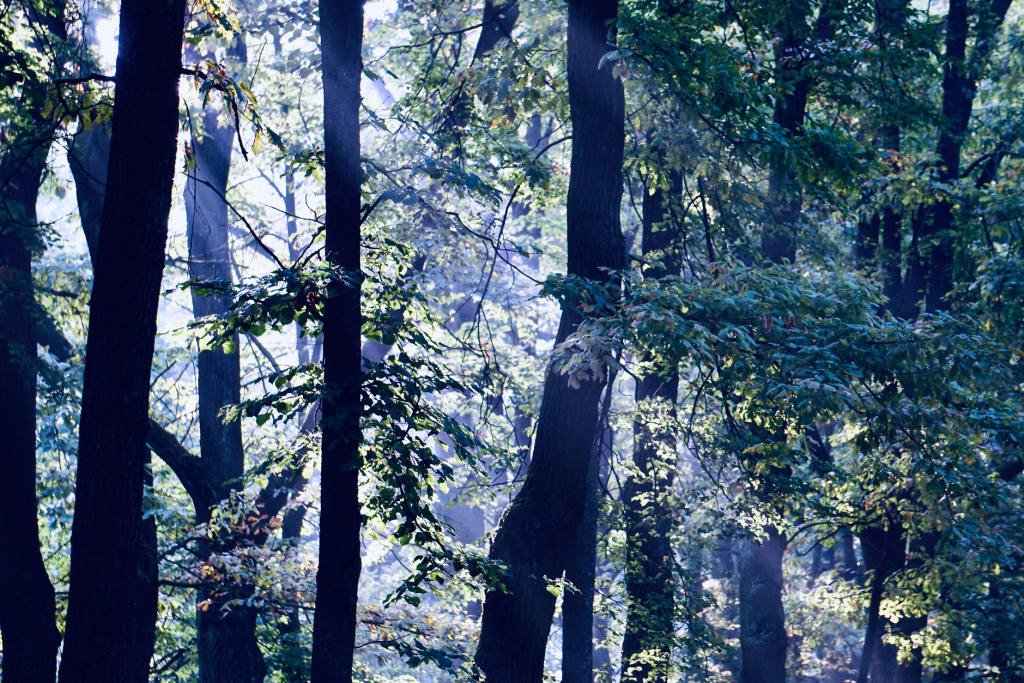
City Tree Pollen choice is quietly shaping how pleasant a shady street feels in allergy season. Planting more trees cools a neighbourhood, but the species chosen for the curb can decide how much airborne pollen residents breathe each spring, according to reporting by NatureWorldNews on recent urban forestry research. The lesson is not to plant fewer trees. It is to plant with pollen in mind, mixing species and keeping the heaviest pollen producers away from windows, patios and play areas.
The cooling case for canopy is strong. Federal environmental researchers have documented how shade can cut peak surface temperatures on walls and roofs by a wide margin, while leafy suburbs run cooler than newly built areas without mature trees. For a household, that shade can mean a more comfortable walk home, lower cooling demand and a street that feels usable on a hot afternoon. A related look at humid cities found that dense planting can also trap moisture and raise felt heat, which is why placement matters as much as the number of trees, as explored in coverage of humid-city greening.
What city studies found about pollen
A scoring study by a Forest Service scientist and a horticulturist rated urban forests in dozens of places on an allergy scale running from least to most allergenic. The average score landed just above the midpoint, while the Texas capital scored highest and a Nova Scotia port city scored lowest, according to the published urban forest study. The authors urged planners to limit highly allergenic species near people, while noting that pollen remains essential for natural forest renewal. That tension runs through the whole debate: a tree that troubles allergy sufferers may still be valuable for shade, wildlife and the wider ecosystem.
A closer study of one northeastern metropolis showed how a single species can dominate the airborne mix. In that city, the broadleaf plane species widely planted along avenues was the largest single pollen producer in a year, measured in quadrillions of grains across the whole municipality. At one rooftop monitor, four familiar tree types together made up nearly three quarters of airborne tree pollen over a multi-year window. The same analysis found that adding a very large number of street trees matching the current mix would change most species outputs only modestly, except for oaks, where a substantial addition could add a huge annual grain total once mature. The numbers are estimates, not a head count of sneezes, but they show why a planting list is also a pollen forecast.
Why male trees became a debate
Some tree kinds have separate male and female individuals, and only the males release pollen. A horticulturist has argued for years that cities favoured male specimens to avoid messy fruit and seed litter, a practice he gave a provocative label. He traces part of that history to a mid-century federal agriculture yearbook that advised planting only male cottonwoods along streets. A later allergy academy report, as cited in newspaper coverage, warned that uniform male-heavy plantings can create a narrow pollen profile with a high community prevalence of allergy.
The argument has critics, and that disagreement matters for readers trying to judge the claim. Many common street trees carry both male and female flowers on the same plant, so the male-only issue does not apply to them. Some city foresters say male-only plantings are rare today, with one Midwestern sustainability official putting such species at under one percent of local plantings. The broader claim that tree selection alone doubled allergy rates has not been established by peer-reviewed research. In other words, species choice is a real lever, but it is not the whole story of why allergies rise or fall.
Planting smarter on your street
Researchers increasingly frame allergenicity as one screening factor among many, alongside heat tolerance, diversity and site fit. A recent opinion piece in a sustainable-cities journal warned that canopy targets alone do not guarantee healthy urban forests, and called for screening species for health risks before planting. Practical guidance follows from that approach: favour insect-pollinated species and trees with less allergenic pollen, choose female individuals where a species has separate sexes, and mix many species so no single pollen source dominates a block. Botanical research on rare trees shows how much care goes into matching a species to its site, as seen in work to preserve a rare gum tree, and the same site-first thinking applies on an ordinary street.
For homeowners, the advice is local and specific. Ask a nursery or extension office which native species suit the yard and produce little wind-blown pollen, and take extra care with planting near windows, patios and play areas. For allergy sufferers, the seasonal routine still helps: check daily pollen counts, keep windows closed on high-pollen days, shower after time outdoors, and follow a doctor's action plan for asthma. City forestry departments usually set species lists with public input, so residents who care about this trade-off can ask to see the list before the next planting season. A separate strand of plant science on how roots cope with dry conditions, described in research on root responses to drought, underlines a wider point: the best tree for a spot is the one suited to its soil, water and neighbours, not simply the fastest grower.
City Tree Pollen planning will not end allergies, and no planting list can promise a sneeze-free spring. What it can do is keep the benefits of shade without needlessly loading a street with pollen. That is a modest, practical win: cooler pavements, more diverse canopy and fewer mornings when the air itself feels like the price of the trees. City Tree Pollen choices, made block by block, are how that win happens.
Comments 0
No comments yet. Be the first to share your thoughts!
Leave a comment
Share your thoughts. Your email will not be published.