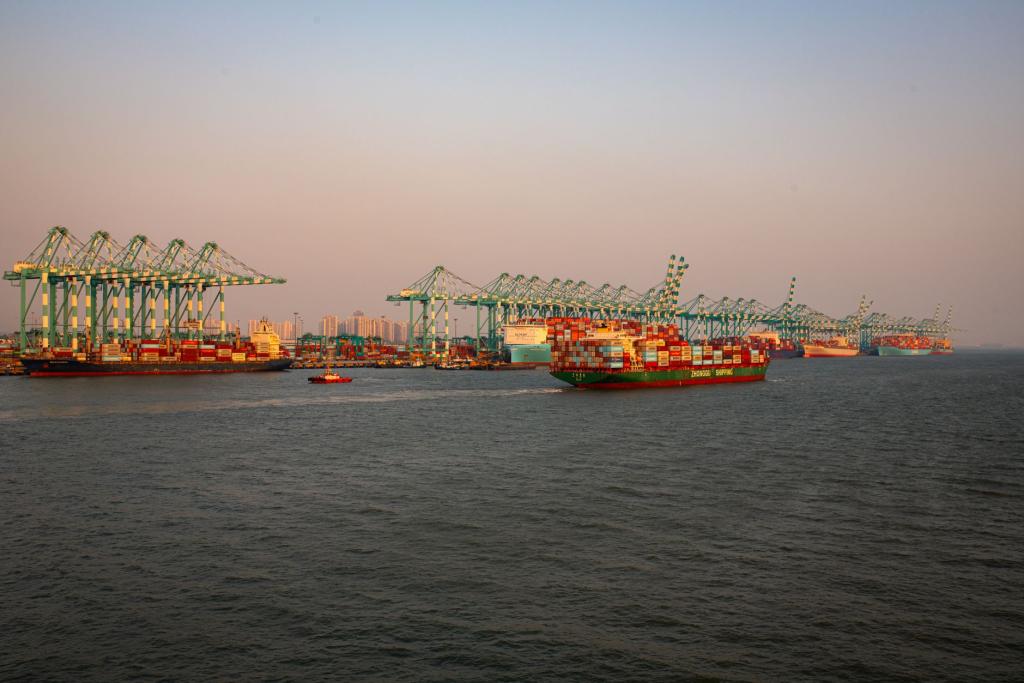
The China exports surge in September just blew past every forecast, and it is putting the world's second-biggest economy within reach of a one-trillion-dollar trade surplus. Customs data released on Wednesday showed outbound shipments jumping thirty-six point three percent from a year earlier, according to Reuters, far above the twenty-five point five percent economists had pencilled in.
The Numbers That Shocked Economists
Exports in September reached roughly four hundred forty-seven billion dollars, based on figures reported by the South China Morning Post. That is the fastest pace since February, when shipments grew thirty-nine point six percent. August's growth was just twenty-five percent, so the jump from one month to the next is steep.
Imports climbed too, rising thirty-one percent compared with twenty-eight point two percent in August, according to the Associated Press. Economists had expected a gain of only twenty-four point five percent. When both sides of the ledger beat forecasts, it usually signals that factories are busy and global buyers are still spending.
The gap between the two is what grabs headlines. China's monthly trade surplus widened to one hundred thirty-three point five billion dollars, up from one hundred nineteen billion in August. That marks a twenty-month high, and it makes the China exports surge one of the biggest economic stories of the week.
Chips, Cars and the AI Boom
So what is actually being shipped? Analysts point to semiconductors, green-tech products and cars. Reuters reports that global demand for chips and clean-energy gear has kept Chinese factories humming, which eases pressure on Beijing to prop up growth at home, where spending and investment remain soft.
Anadolu Agency framed the data as a direct result of the worldwide race to build artificial intelligence infrastructure. Every data centre needs hardware, and a lot of that hardware, or the parts inside it, ships out of Chinese ports. Car exports were another standout, with growth above fifty percent in both value and volume terms over the first nine months.
The South China Morning Post also noted a pre-holiday shipping rush ahead of the Golden Week break, which may have pushed some orders into September. That could flatter the figure a little, but few analysts expect a sharp slowdown soon.
A Trillion-Dollar Surplus in Sight
Here is the number to remember. China's surplus for the first nine months of the year hit nine hundred thirty-eight billion dollars, per the AP. Last year's total was a record one point one eight nine trillion dollars, and the country crossed the trillion-dollar line back in November. This time it is on course to get there sooner.
Exports for the first three quarters totalled about three point three seven trillion dollars, up twenty-one point three percent, according to ING Think. Lynn Song, the bank's chief Greater China economist, told Reuters that "key trade ties look set to remain stable through year-end, which should keep this year's key growth engine humming."
Why the US and Europe Are Watching Closely
The surplus with the United States rose to thirty-four billion dollars, a twenty-month high. The surplus with the European Union was even bigger at thirty-four point eight billion dollars. Those figures land right as both trading partners complain about what they call unbalanced trade.
Europe is already acting. A deal announced earlier this month would limit Chinese hybrid-car exports to the bloc, and European leaders gather in Brussels on Thursday to weigh the next steps on China, Reuters reports. Capital Economics economist Nguyen Hoang Nam warned that the "widening trade surplus with Europe could spur broader EU restrictions beyond last week's narrow deal."
Washington is in the picture as well. The September summit between Xi Jinping and Donald Trump extended a tariff truce and cut duties on thirty billion dollars of goods from each side, but a wave of cheap Chinese goods could test that calm.
What It Means for You
If you shop online, drive a car or care about the tech in your pocket, this story touches you. Strong Chinese production can keep gadget prices in check, yet it also fuels the political fight over tariffs and jobs, and tariffs tend to show up on price tags.
Factory-gate prices in China rose at their fastest pace in more than four years in September, a separate report showed, which hints that costs may creep upward down the line. Meanwhile the Canton Fair, China's biggest trade exhibition, opens Thursday, giving manufacturers a stage to court foreign buyers just as governments debate how many of those goods to let in. More business coverage is on the way as the trade story develops.
Comments 0
No comments yet. Be the first to share your thoughts!
Leave a comment
Share your thoughts. Your email will not be published.