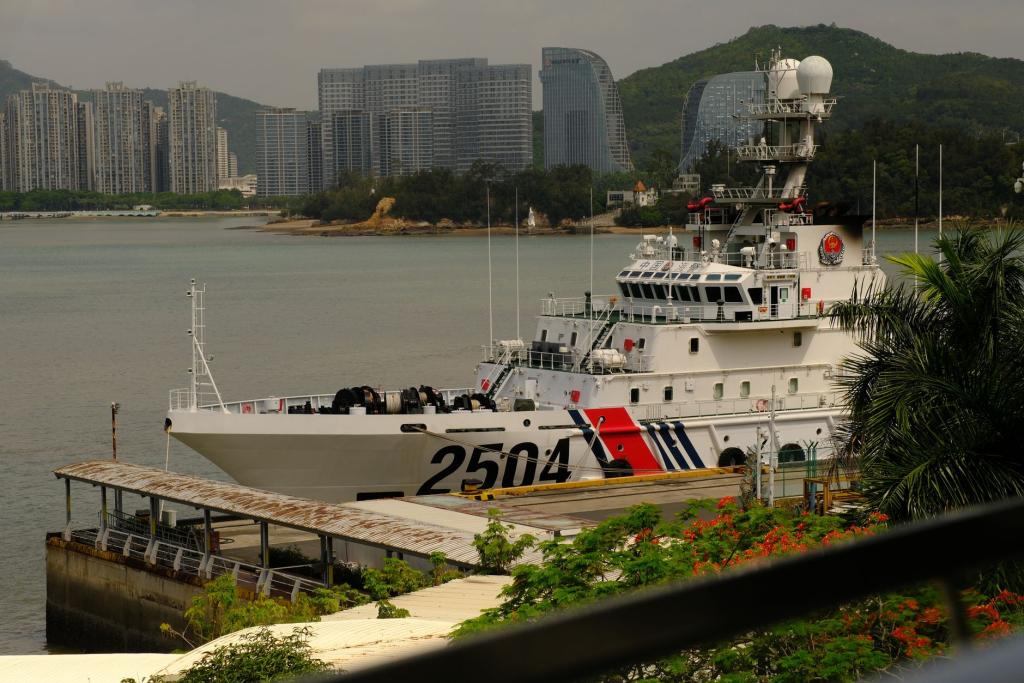
On the morning of September 18, 2026, a routine fuel-delivery mission in the South China Sea turned into an international incident. A China Coast Guard vessel rammed a Philippine government ship off the coast of Palawan, according to the Philippine Coast Guard, damaging its railings and deck equipment in the latest clash over disputed waters.
The vessel hit was the BRP Datu Magat Salamat, a fisheries bureau ship distributing fuel subsidies to Filipino fishermen about 54 nautical miles from Palawan. Philippine officials identified the other ship as China Coast Guard vessel 21585, which carried out a series of dangerous maneuvers before making contact at 11:13 a.m. local time, according to reporting by Reuters.
What the Philippine Coast Guard says happened
According to Coast Guard spokesperson Jay Tarriela, the Chinese ship first cut across the stern of the Philippine vessel at 11:04 a.m., passing just 10 meters away. Nine minutes later, it repeated the move and struck the starboard side of the BRP Datu Magat Salamat. Video released by the Philippine Coast Guard showed crew members shouting warnings moments before the collision, although the impact itself was not visible in the footage. The strike bent and broke sections of railing, deformed metal supports and scattered debris across the deck. No crew members were injured.
Tarriela described the incident as a deliberate ramming of a civilian government vessel on a humanitarian mission. The Philippine task force for the West Philippine Sea condemned the action in a statement, urging China to stop what it called dangerous and unlawful acts that put lives at sea at risk. Officials said the collision took place about 6.36 nautical miles from Abad Santos Shoal, well within the Philippines' exclusive economic zone, and argued that the China Coast Guard ramming violated international maritime rules including the 1972 Convention on the International Regulations for Preventing Collisions at Sea and the UN Convention on the Law of the Sea.
PCG Commandant Ronnie Gil Gavan ordered surface and air assets to assist the damaged vessel and secure its crew. Even after the impact, Philippine officials said, the Chinese vessel made one more close pass, coming within five meters of the stern of the Philippine ship, according to reporting by GMA News.
Beijing's response
China told a different story. A Chinese Coast Guard spokesperson said the Philippine vessel disregarded repeated warnings, changed course deliberately and cut across the bow of the Chinese ship, which Beijing said was carrying out law enforcement operations near Sabina Shoal. Beijing maintained that its crew acted professionally and said the Philippine side bore full responsibility for the incident. It warned Manila to stop what it called acts of infringement and provocation, or face the consequences. The Chinese embassy in Manila did not immediately respond to requests for comment.
The competing accounts follow a familiar pattern in the disputed waterway, where Manila and Beijing have clashed repeatedly over rocks, shoals and fishing grounds that both sides claim. Each side accuses the other of escalating a standoff that has simmered for years, and each encounter gets documented and publicized by both governments within hours.
Why the standoff keeps escalating
The China Coast Guard ramming is the latest in a string of confrontations this year. In July, Manila accused Beijing of firing water cannon at government vessels near Scarborough Shoal and of striking a Philippine Navy crew member on the head with a wooden baton during an encounter at Second Thomas Shoal, according to The Hindu. Analysts say the repeated incidents reflect Beijing's determination to press its sweeping claims across the South China Sea, despite a 2016 international ruling that found those claims have no legal basis.
The Philippines has responded by documenting each encounter and releasing video evidence, a strategy meant to rally international support. The country's task force said it would continue to exercise its rights under international law with restraint and professionalism, while asking other nations to take notice of what it views as a growing threat to its fishermen and maritime crews.
For young people watching geopolitics play out on social media, the stakes are tangible. The South China Sea carries a large share of global trade, and tensions there can ripple into energy prices, supply chains and regional security, issues that have already shaped debates about recent arms deals and military posture in Asia. The region has become one of the most closely watched flashpoints in the world, and each new confrontation adds to the pressure on governments in Washington, Manila and Beijing to find a way to keep the waterway open and calm.
For now, the damaged Philippine vessel is heading for repairs, its crew safe. But with both sides refusing to back down, the next resupply mission in these waters could bring the next confrontation. Diplomats will be watching the South China Sea closely in the weeks ahead, as the fallout from the China Coast Guard ramming plays out on the world stage.
Comments 0
No comments yet. Be the first to share your thoughts!
Leave a comment
Share your thoughts. Your email will not be published.