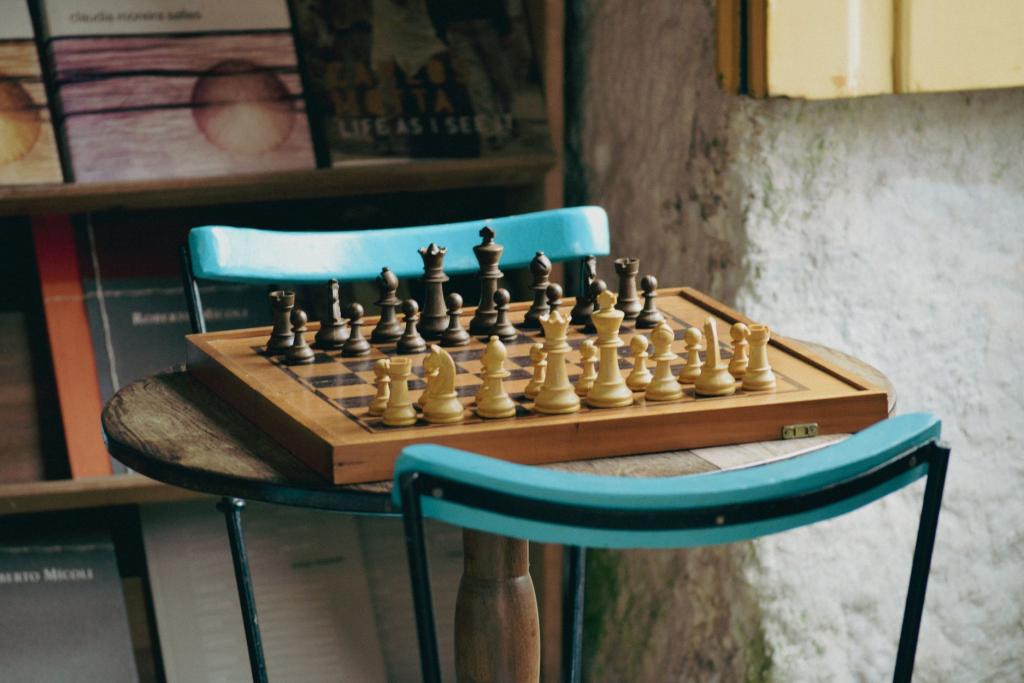
A Twitch chess streamer once spent time locked in a jail cell in a foreign airport because of an alleged lie about drugs hidden inside her chess pieces. That detail came out this week in a Melbourne courtroom, where a judge refused to release the 47-year-old man accused of stalking chess player Hannah Sayce for two years.
Shumsheer Singh Ghumman, a Melbourne cafe owner, was denied bail in the Victorian Supreme Court on September 23 after being charged with 35 offences. Justice Amanda Fox called the alleged conduct methodical and planned, and found that Ghumman posed an unacceptable risk to Sayce's safety and to witnesses if released. He will stay in custody, with a committal mention scheduled for October in the Melbourne Magistrates Court.
What police say happened across two countries
According to Australian Associated Press reporting from the bail hearing, police allege Ghumman stalked Sayce from April 2024 to May 2026, a campaign that crossed international borders. Sayce obtained an intervention order against him in March 2025, but prosecutors say he kept gathering details about her family, friends, addresses, and travel plans after that.
The case turned serious overseas. Lead detective Senior Constable Ashley Hall told the court that Ghumman emailed Qatari officials about Sayce, and she was later held in a jail cell after arriving at Doha International Airport. Dexerto, citing reporting from the Herald Sun, offered the more specific account: officials were allegedly told she was carrying drugs hidden inside her chess pieces. A fuller timeline of the case includes background from Ghumman's earlier court history in South Africa. Ghumman is also accused of contacting the Icelandic Chess Federation, after which Sayce was detained again in Iceland.
The allegations go beyond false reports. Justice Fox noted that Ghumman is accused of threatening to use artificial intelligence to monitor Sayce around the clock and scrape her data from the dark web. He allegedly told her that Anthropic's AI assistant Claude would not get tired in his pursuit. Court material also alleged that he intimidated her parents and friends, tried to discourage her from pursuing the criminal charges, and possessed a pair of nunchucks, among charges of stalking, intimidation, and attempting to pervert the course of justice.
Ghumman's barrister, Dermot Dann KC, told the court his client denies the allegations and plans to take the matter to trial. Dann pointed to possible delays while police wait for responses from the governments of Qatar and Iceland, and argued that time on remand could exceed any eventual sentence. Ghumman's father offered an $880,000 bail guarantee and threatened to disinherit his son if he broke bail conditions. Justice Fox accepted that the guarantee was genuine but said it did not compel her to release him, citing the level of planning, obsession and determination she found concerning.
The streamer at the center of the case
Sayce is a Melbourne-based chess streamer with roughly fifty-seven thousand followers on Twitch. She holds the Woman Candidate Master title and has been recognized by Chess.com as a Creator of the Month. The Hannah Sayce stalking case has pushed a difficult question to the front of the streaming world: what does safety look like for creators once a viewer's fixation leaves the chat.
That question matters because chess streaming has grown into a real slice of creator culture. Streamers like Sayce build audiences through live commentary, tournaments, and community interaction, which also means their travel schedules are often public. Prosecutors say that is exactly what happened here: alleged access to Sayce's holiday plans became one of the tools of the campaign against her.
Why this case reaches beyond one streamer
Stalking is one of the more serious threats facing people who work in public, and this case shows how fast it can move beyond a single platform. The allegations describe a mixed campaign: online surveillance tactics paired with real-world consequences, including two overseas detentions triggered through official channels. When a false tip can land a young woman in an airport jail cell, creator safety stops looking like a moderation problem and starts looking like a criminal justice problem.
The AI detail in the court material adds a newer edge. Threatening to deploy an AI assistant to scrape the dark web around the clock turns a personal vendetta into something that never sleeps, and it shows how quickly new tools get folded into old patterns of harassment. Courts are still working out how to weigh those threats in bail decisions. Here, Justice Fox weighed them and concluded no set of conditions could reduce the risk enough to set Ghumman free.
The Hannah Sayce stalking case is not the only recent story about how platforms treat their creators. Twitch suspended VTuber FeFe for an eighth time after a copyright dispute, and footballer Cole Palmer drew a Twitch ban after streaming EA FC 27 early. Enforcement and safety are now weekly fixtures of streamer life.
None of the allegations have been tested at trial yet. Ghumman denies them all, and the matter will work its way through the Melbourne courts, with the committal mention expected next month. The bail ruling still treats stalking a public creator as a serious criminal matter carrying potentially lengthy sentences, not a minor online dispute. For creators and their audiences, the Sayce case is a reminder that safety tools have limits: an intervention order did not stop the alleged campaign, and block buttons did not stop it either. What appears to have mattered was a two-year police investigation spanning two countries and dozens of charges.
Comments 0
No comments yet. Be the first to share your thoughts!
Leave a comment
Share your thoughts. Your email will not be published.