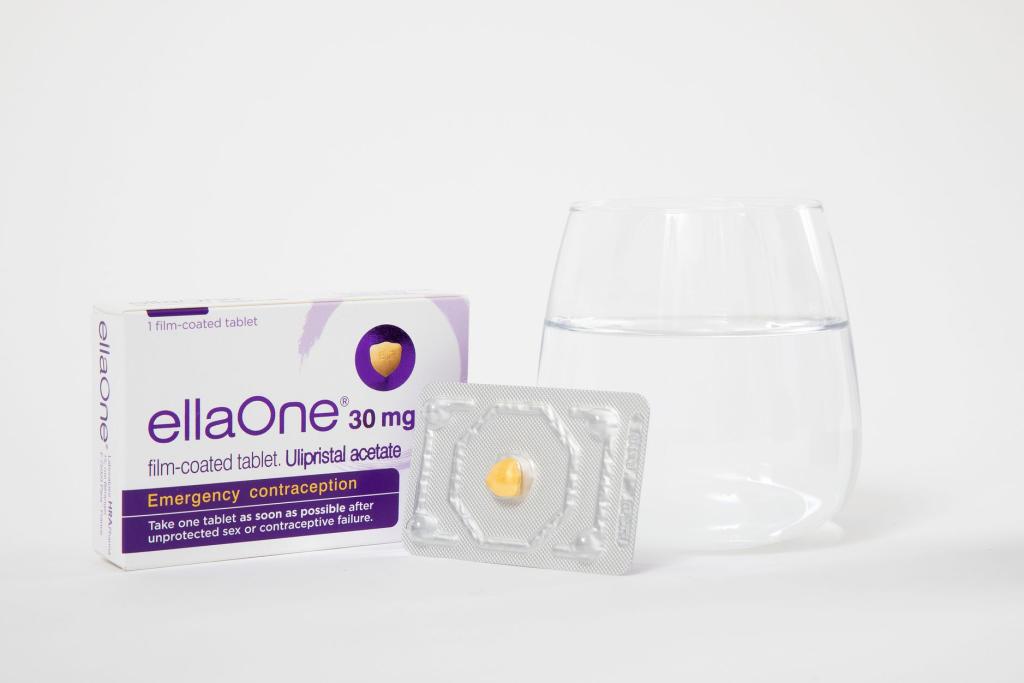
The morning-after pill most people reach for may not be the best option available. A new Cochrane review finds that mifepristone emergency contraception prevents more pregnancies than levonorgestrel, the hormone in Plan B, while causing fewer side effects overall. The analysis was published in the Cochrane Database of Systematic Reviews.
Emergency contraception is the backup people turn to after a condom breaks, a pill is missed, or a sexual assault. The best-known pill option is levonorgestrel, sold as Plan B and store-brand equivalents in much of the world. Other options include the older Yuzpe regimen, which combines estrogen and progestin, the prescription pill ulipristal acetate, and the copper intrauterine device, which is the most effective method of all but has to be fitted by a clinician.
The review was led by researchers at Oregon Health & Science University and pooled data from 87 randomized controlled trials involving approximately 36,000 women of reproductive age. Most of the trials were conducted in China, with additional studies from the United Kingdom, Cuba, and multi-country settings. According to the review, low-dose and mid-dose mifepristone emergency contraception each prevented more pregnancies than levonorgestrel and were associated with fewer overall side effects, and that advantage was graded as high-certainty evidence, meaning further research is very unlikely to overturn it.
How mifepristone works differently
Mifepristone takes a different route to the same goal. Levonorgestrel and the Yuzpe regimen are steroid hormone methods that work mainly by delaying or blocking ovulation, while mifepristone is an antiprogestin that blocks the hormone progesterone. That different mechanism changes how it feels to take: where hormone-based pills often bring nausea and vomiting, mifepristone largely skips those effects. That makes mifepristone emergency contraception mechanistically distinct from every other morning-after pill on the market.
"Mifepristone in low-to-mid doses is a highly effective emergency contraceptive option that clinicians should know about," lead author Dr. Shaalini Ramanadhan said. She added that because the drug works differently than levonorgestrel and combined hormone pills to delay or block ovulation, its side-effect profile looks different too. In the pooled data, low-dose mifepristone, defined as under 25 milligrams, showed a 27 percent relative reduction in pregnancies compared with levonorgestrel.
The advantage over the Yuzpe regimen was even larger, the reviewers reported, cutting pregnancy risk substantially while also sharply reducing nausea and vomiting. The comparison with the copper IUD stayed inconclusive: only two trials in the review measured it directly, so the authors say the evidence there is too thin to draw firm conclusions. The reviewers stress that the finding applies specifically to mifepristone emergency contraception taken as a single low or mid dose after unprotected sex, not to the higher doses used in medication abortion.
What mifepristone emergency contraception could mean for access
For now, the mifepristone emergency contraception option the evidence favors is one most people cannot get. Mifepristone is best known worldwide as part of the medication-abortion regimen, and in most countries it is neither approved nor stocked as a morning-after pill. The strongest evidence in emergency contraception science therefore points to a product missing from pharmacy shelves, a gap the review's authors say clinicians and regulators need to confront.
The drug was not flawless in the trials. Mifepristone carried a higher chance of delayed menstruation than the alternatives, a side effect the authors flag as a genuine source of stress and anxiety, since a late period can feel like treatment failure. Where trials asked about it, though, treatment satisfaction was equal to or higher among people who took mifepristone than among those who took the alternatives.
It matters because contraceptive failures are ordinary events. A condom breaks on an ordinary Tuesday. A pill gets missed on a trip. In those moments, the backup on the drugstore shelf is not the most effective pill that science has found. If regulators and manufacturers act on this review, a mifepristone-based morning-after pill could give people a stronger, better-tolerated mifepristone emergency contraception option exactly when the stakes are highest.
Reproductive-health research keeps reshaping everyday decisions. Related coverage on this site has looked at sex frequency and conception and at new questions around DoxyPEP and drug-resistant STIs.
Until then, the review's main practical effect is clinical: an evidence base that doctors can bring into the exam room, pointing at a pill most patients still cannot buy. The science on mifepristone emergency contraception has moved. The shelves have not caught up.
Comments 0
No comments yet. Be the first to share your thoughts!
Leave a comment
Share your thoughts. Your email will not be published.