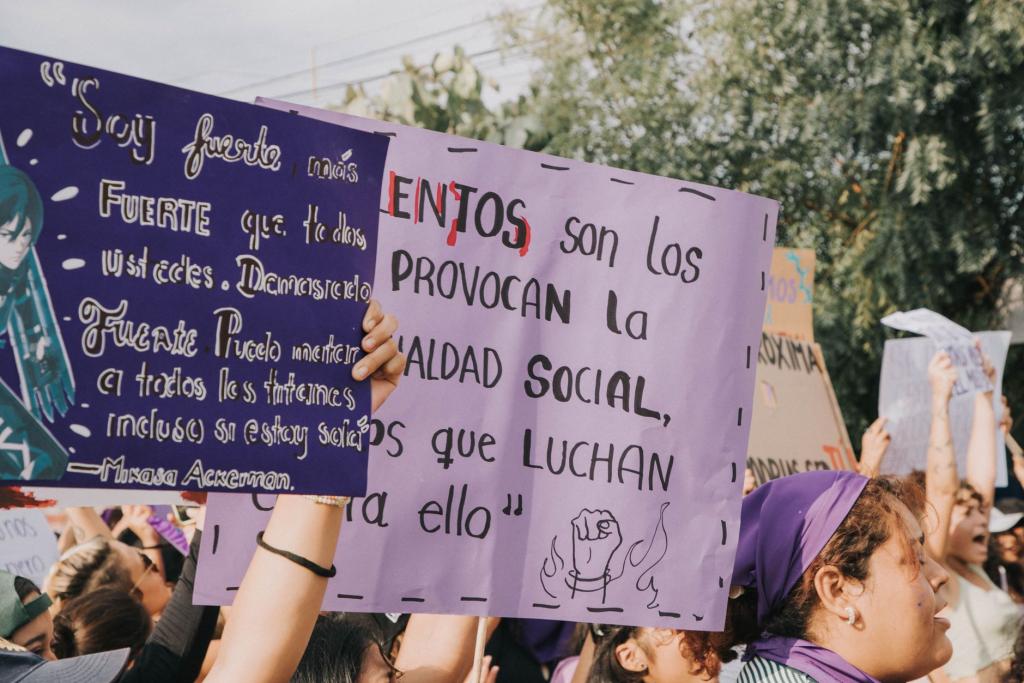
Geraldine Achiah, an elementary school teacher in her thirties, died in September barely two months into her marriage. Her relatives allege her husband beat her during a marital dispute, and they are demanding justice in a case they describe as a gender-based crime. Her husband, Manfred Amambua, has denied killing her, police said, but he has been charged with murder and sits in jail awaiting trial. Her son, eighteen-year-old Courage Abombi, sat a university entrance exam the day after his mother's burial. Her death has become a focal point of the Cameroon femicide protests now pressing the government for action, according to reporting by the Associated Press.
Achiah is one of nearly seventy women killed in Cameroon this year for reasons tied to their gender, the Ministry of Women's Affairs says. That figure sits above the government's estimates of at least fifty two years ago and sixty-seven last year. Many of the killings remain unsolved, and many more go unreported. The Cameroon femicide protests are a direct response to that count, with activists arguing the state has treated each death as an isolated tragedy instead of a pattern. The rise has pushed what was once treated as a private matter into public debate, with editorial pages and radio call-in shows now taking up cases the courts have not.
Activists say the killings are driven by economic dependence, unequal control over family property and a shortage of adequate laws in a society widely described as patriarchal. With limited resources, many women stay in violent marriages in the hope that their partners will change, the women's affairs minister told the state broadcaster. That hope, campaigners say, too often ends in a funeral. The Cameroon femicide protests have carried those private losses into the streets, where marchers are asking for laws that protect women before violence turns lethal. The ministry says reported cases are up thirty-seven percent across the past three years, a climb officials themselves have called alarming.
Women's Affairs Minister Marie-Thérèse Abena Ondoa described the scale of the killings as cruel and alarming on the state broadcaster and promised more action from the government. Figures the minister presented to the National Assembly counted one hundred sixty-six rapes and thirteen infanticides in the first four months of this year alone. Parliament's November session is expected to consider a bill that would make femicide a separate crime from murder, according to Africanews, a move supporters of the Cameroon femicide protests say would make the violence visible in the legal code. Campaigners caution that a new label in the statute books means little without investigations, convictions and funding for survivors.
A crisis beyond one border
Human Rights Watch has raised the alarm over the surge, saying seven women were killed between August sixth and the twenty-sixth, some by current or former partners and some in front of their children, in a statement reported by The Eastleigh Voice. The rights group says nearly forty percent of Cameroonian women have experienced physical, sexual or psychological abuse, and its researchers documented at least seventy-seven femicides in the country last year. The crisis fits a global pattern: the United Nations estimates that around fifty thousand women and girls were killed by intimate partners or relatives in 2024, and Africa accounted for close to half of that toll, about twenty-two thousand six hundred across the continent. That is why the Cameroon femicide protests have drawn attention well beyond the country's borders.
What the marchers want
Protesters are asking for a dedicated femicide law, stronger protection for survivors and real investigations into the cases that have stalled. In August, the Council of Imams and Muslim Dignitaries of Cameroon condemned the wave of killings as a grave violation of human dignity and pledged to back public authorities in tackling violence against women. For the families in the streets, the test is plain: whether the ministry's next report shows the numbers falling. The marches are pressing for a state that treats these deaths as crimes worth preventing. Organizers of the Cameroon femicide protests say they will keep marching until the November session delivers more than promises.
Comments 0
No comments yet. Be the first to share your thoughts!
Leave a comment
Share your thoughts. Your email will not be published.