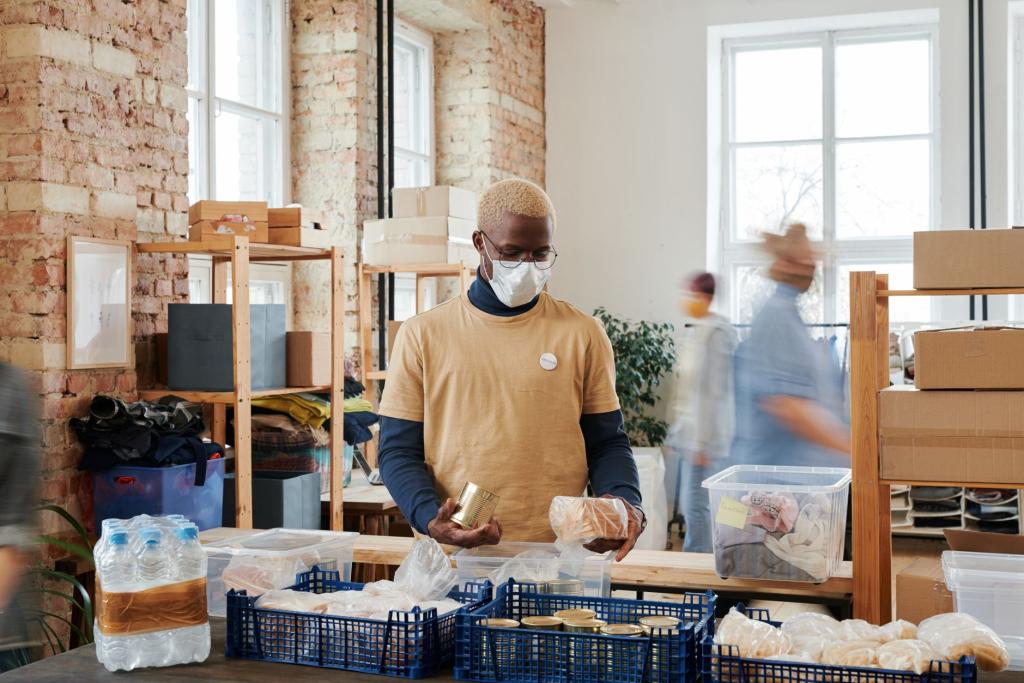
Nearly every food bank surveyed in a new national study says demand for help has risen over the past year, and two in three report they have had to turn people away. The research, released by SecondBite and reported by the charity's media service, found ninety-four per cent of four hundred five partner charities saw demand climb in the twelve months to last August. Together those agencies help feed an estimated four hundred twenty-seven thousand people each week.
The findings arrive ahead of the food-rescue charity's annual giving appeal this Thursday — a major funding source for food banks across the country — the day before World Food Day, when SecondBite hopes to fund the equivalent of eight hundred thousand meals for Australians facing food insecurity. Donations made on the day will be matched dollar-for-dollar up to one hundred thousand dollars, thanks to backing from a family foundation, a food manufacturer, a giving platform and an auction house.
The survey paints a picture of food banks seeing need reach households that were previously assumed to be coping. Eighty-two per cent of agencies reported more demand from families with children, seventy-five per cent from single parents and fifty-eight per cent from working people. "These findings show food insecurity is not confined to people in the circumstances many Australians might expect," chief executive Daniel Moorfield said. He said charity partners are seeing people ask for help for the first time, often after exhausting every other option.
The new face of food insecurity
Shortages on the shelves are compounding the pressure. Fifty-four per cent of agencies said they lacked enough fresh food to meet demand, half said they lacked enough food overall and about a third pointed to insufficient protein, according to the survey of the national partner network. For broader context on hunger and poverty policy, see our social-justice coverage.
Separate research released in August suggests the pressure extends well beyond those already in the system. A national study commissioned by Coles with SecondBite and Foodbank estimated three point six million Australians had experienced food hardship for the first time in the previous six months, with rising power bills, fuel and transport costs and rent or mortgage payments squeezing household food budgets. The same retailer has separately donated surplus food equivalent to three hundred seventy-seven million meals through its long-running rescue program, as reported by Coles.
Stigma remains a barrier on the demand side too. In the August study, nearly half of respondents said they would not seek food relief even if they needed it because they believed someone else needed it more, while about a third said they would feel too embarrassed to ask. "There can be stigma attached to asking for help, particularly when people feel they are taking resources from people experiencing greater hardship," SecondBite ambassador Catie Gett said. Gett, who has spoken about living below the poverty line, said many single parents juggle rent, car costs and the costs of raising children until the food budget is the first thing to give way.
Matched donations and a funding boost
Thursday's appeal gives Australians a practical way to back their local food banks. Moorfield said the food itself is donated, but trucks, cold storage, warehouses and skilled teams are what turn rescued food into reliable relief. With matching funds doubling every gift, the charity is aiming to keep its front line stocked at a moment when demand shows no sign of easing. Last financial year it distributed surplus food equivalent to more than fifty-three million meals.
For donors, the timing is deliberate. The appeal falls one day before the United Nations' annual global observance focused on hunger, linking a local fundraiser to a worldwide conversation about food security. SecondBite says gifts made on the day fund the unglamorous backbone of relief — trucks, cold storage and skilled staff — that keeps rescued food moving from farms and supermarkets to local charities year-round.
The research also lands as state governments move to shore up food-relief infrastructure. Earlier this year the Victorian government committed five million dollars to expand SecondBite's distribution centre in Melbourne's west — the logistics backbone for food banks across Victoria — funding expected to triple the charity's capacity in the state and deliver one hundred million more meals over the next decade, as reported by Food and Drink Business. The commitment sits within a broader state budget package of more than eleven million dollars for food relief.
With almost every agency in the survey reporting rising demand and many forced to turn people away at times, Moorfield said the October appeal would help food banks rescue and distribute more food to communities across the country. Donations can be made at the charity's giving-day page, where every contribution on the day counts twice.
Read more of our coverage on social justice.
Comments 0
No comments yet. Be the first to share your thoughts!
Leave a comment
Share your thoughts. Your email will not be published.