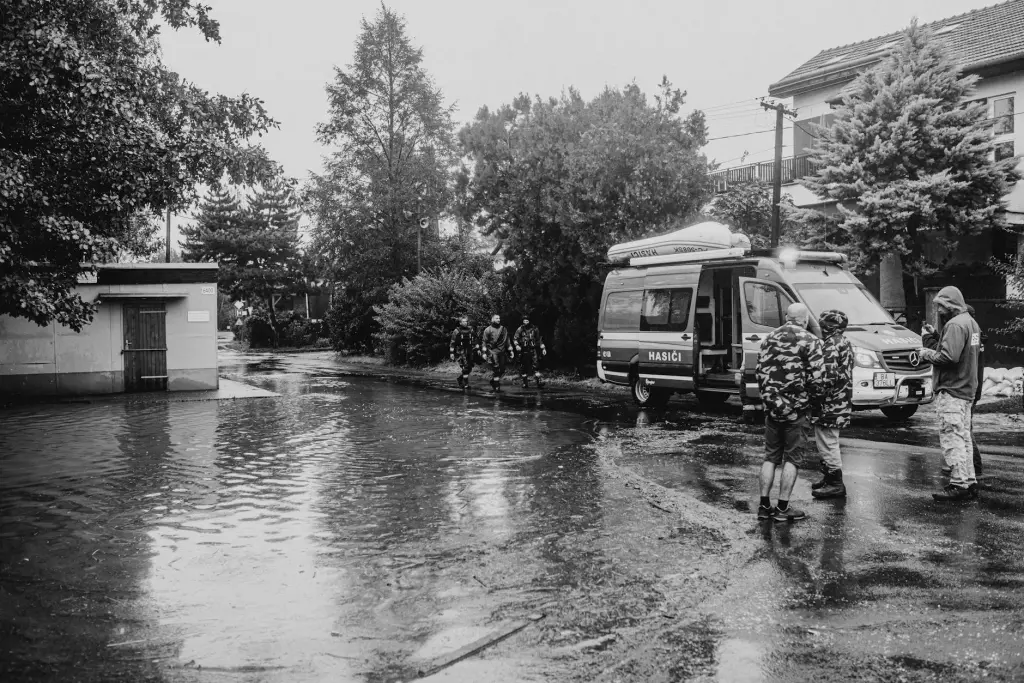
Brazil flooding 2026 has emerged as one of the country's most serious humanitarian crises, continuing the pattern of catastrophic floods that devastated Rio Grande do Sul in 2024 and returned with renewed intensity in early 2026. Heavy rains driven by La Nina weather patterns have triggered flash floods, river overflows, and landslides across multiple Brazilian states. According to Reuters, thousands of families have been displaced and significant damage to infrastructure has been recorded across affected regions. The Brazil flooding 2026 crisis is straining emergency response systems and government resources at a time when the country is already managing multiple political and economic crises. For related world coverage, visit GenZ NewZ World News.
Brazil Flooding 2026: Most Affected Regions
The Brazil flooding 2026 events have hit southern and southeastern Brazil particularly hard. Rio Grande do Sul, which was devastated by catastrophic floods in May 2024 that killed over 150 people and displaced more than 400,000, has been struck again by severe flooding in early 2026 before full recovery from the previous disaster was completed. Sao Paulo state has also experienced intense flooding and deadly landslides in hillside communities around the metropolitan area. The states of Santa Catarina, Parana, and parts of Minas Gerais have reported significant flooding affecting road networks, agricultural areas, and urban communities. Local civil defense authorities have issued emergency alerts and evacuation orders across dozens of municipalities affected by Brazil flooding 2026. More political coverage of disaster response policy is available at GenZ NewZ Politics.
Causes of Brazil Flooding 2026
Climate scientists and meteorologists have linked the intensity of Brazil flooding 2026 to a combination of natural weather variability and long-term climate change. The La Nina phenomenon, which brings above-average rainfall to southern Brazil while causing drought in the northeast, is a known driver of severe flooding in the region. However, researchers emphasize that climate change is amplifying the intensity and duration of extreme precipitation events, making floods more destructive than historical baselines would predict. Deforestation in the Amazon and Atlantic Forest biomes has reduced the land's natural capacity to absorb rainfall and regulate water flow, contributing to faster and more intense flood responses in downstream river basins. Urban expansion into flood-prone areas without adequate infrastructure planning has also increased the vulnerability of communities to Brazil flooding 2026 impacts.
Humanitarian Impact and Displacement
The humanitarian toll of Brazil flooding 2026 is significant and ongoing. Thousands of families have been forced from their homes, with many unable to return due to structural damage, contaminated water supplies, and risks of secondary landslides. Emergency shelters have been established in schools, community centers, and temporary tent camps in the most severely affected municipalities. Brazil's Civil Defense agency and the federal government have deployed military personnel, boats, helicopters, and relief supplies to affected areas. Access to clean water, food, medical care, and sanitation has been a critical challenge in remote communities cut off by road damage and bridge collapses associated with Brazil flooding 2026 events.
Government Response to Brazil Flooding 2026
The Lula government declared federal emergency status for the most severely affected states, releasing emergency funds and coordinating federal agency responses to Brazil flooding 2026. The Ministry of Cities has announced accelerated infrastructure reconstruction funding for Rio Grande do Sul, building on rebuilding programs initiated after the 2024 floods. International humanitarian organizations including the Red Cross and UNHCR have offered assistance and are coordinating with Brazilian authorities. However, critics argue that despite the painful lessons of 2024, urban planning and early warning systems have not been adequately improved to prevent the scale of devastation seen in Brazil flooding 2026. The government has committed to accelerating investment in flood barriers, river management, and early alert infrastructure. Economic impacts of the flooding include damage to agricultural crops, transport links, and local commerce, adding further pressure to the Brazil economy 2026 GDP outlook. Get Brazil economic coverage at GenZ NewZ Business.
Long-Term Climate Resilience for Brazil
Brazil flooding 2026 has renewed calls among climate experts, urban planners, and civil society groups for a comprehensive national climate resilience strategy. Brazil's unique geographic and climatic diversity means the country simultaneously faces flooding in the south, severe drought in the northeast, and heat extremes and fires in central and Amazonian regions. A coordinated approach to climate adaptation is essential to protect Brazilian communities from increasingly frequent and severe weather events. International climate finance, including funds from the recently expanded Amazon Fund, could be directed toward flood resilience infrastructure and sustainable urban development to reduce future casualties and economic losses from events like Brazil flooding 2026.
Comments 0
No comments yet. Be the first to share your thoughts!
Leave a comment
Share your thoughts. Your email will not be published.