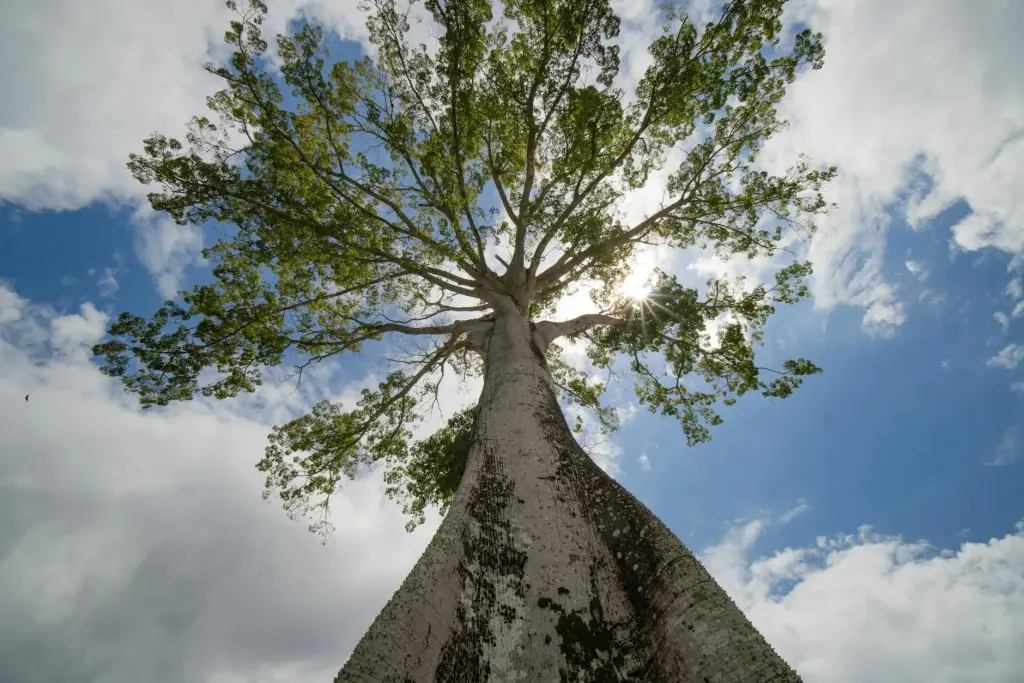
Amazon deforestation 2026 continues to challenge Brazil's environmental pledges and global climate commitments. Despite President Lula's high-profile promises to achieve zero deforestation by 2030, new satellite data and field reports indicate persistent land clearing, illegal logging, and wildfire activity across the world's largest tropical rainforest. According to Reuters, deforestation rates declined sharply after Lula took office in 2023 compared to Bolsonaro-era peaks, but conservationists warn that structural pressures remain severe in 2026. For environmental and world news coverage, visit GenZ NewZ World News.
Amazon Deforestation 2026: Key Statistics
Brazil's Amazon deforestation 2026 figures are being closely tracked by Brazil's National Institute for Space Research, known as INPE. While the institute reported significant deforestation reductions from 2023 to 2025, preliminary 2026 data shows a troubling uptick in fire alerts during the dry season months. Environmental organizations including Greenpeace and the Amazon Environmental Research Institute, known as IPAM, have flagged increased clearing activity in Para, Mato Grosso, and Rondonia states. Analysts note that deforestation pressure tends to intensify during election cycles in Brazil, as agricultural and cattle ranching lobbies seek political assurances about land use policy ahead of the October 2026 presidential vote. More political context is available at GenZ NewZ Politics.
Drivers of Amazon Deforestation 2026
The primary drivers of Amazon deforestation 2026 remain consistent with long-term historical trends: cattle ranching, soy cultivation, illegal gold mining, and large-scale infrastructure development projects. The agricultural sector, represented by the powerful bancada ruralista bloc in Brazil's Congress, continues to push for relaxed environmental licensing requirements that would accelerate clearing approvals. Illegal gold mining, or garimpo, in Indigenous territories including Yanomami lands has persisted despite federal interventions launched in 2023. Infrastructure projects including new road networks and energy transmission lines cutting through forest areas also contribute to fragmentation effects that make surrounding forest more vulnerable to fire and further clearing by settlers and ranchers.
Climate Implications of Amazon Deforestation 2026
Scientists warn that sustained Amazon deforestation 2026 threatens to push the rainforest toward a critical tipping point, beyond which large portions could transition from dense tropical forest to savanna-like vegetation. Researchers at international institutions have published peer-reviewed studies showing that 15 to 17 percent of the Brazilian Amazon has already been deforested since the 1970s, approaching thresholds that could trigger irreversible ecological changes. The Amazon plays a critical role in regulating Brazil's rainfall patterns and the broader South American water cycle, meaning large-scale forest loss would directly threaten agricultural productivity across the continent. Global carbon emissions from Amazon deforestation 2026 are being closely monitored by international climate bodies. Get more Brazil coverage at GenZ NewZ Business.
Government Policy and Amazon Protection Efforts
President Lula's environmental agenda has delivered measurable results in his first term. The government reactivated the Amazon Fund, which receives international donations to finance conservation, sustainable development, and forest monitoring programs. Norway and Germany resumed major funding contributions that had been suspended during the Bolsonaro administration. The Lula government also expanded enforcement by Brazil's environmental agency IBAMA, resulting in significantly increased fines and equipment seizures in illegal deforestation operations. However, critics argue that enforcement remains inconsistent in remote frontier areas where federal presence is limited and local economic incentives for clearing remain very strong indeed.
International Pressure and Amazon Deforestation 2026
Amazon deforestation 2026 remains a central topic in Brazil's international relations. The European Union's new deforestation regulation, which restricts imports of commodities linked to deforestation, is pressuring Brazilian agricultural exporters to provide verified deforestation-free supply chain documentation for soy, beef, and timber. The United States and other G7 governments have tied climate finance pledges to measurable deforestation reduction outcomes. For Brazil, the economic stakes are high: the agricultural sector exports over 100 billion dollars annually, and trade restrictions linked to deforestation data could have major consequences for the national economy heading into the election year. Brazil's ability to demonstrate sustained Amazon protection will be a decisive factor in global climate credibility assessments through 2026 and beyond. Satellite monitoring systems operated by NASA and ESA provide real-time data updates that are publicly accessible to researchers, journalists, and policymakers around the world.
Comments 0
No comments yet. Be the first to share your thoughts!
Leave a comment
Share your thoughts. Your email will not be published.