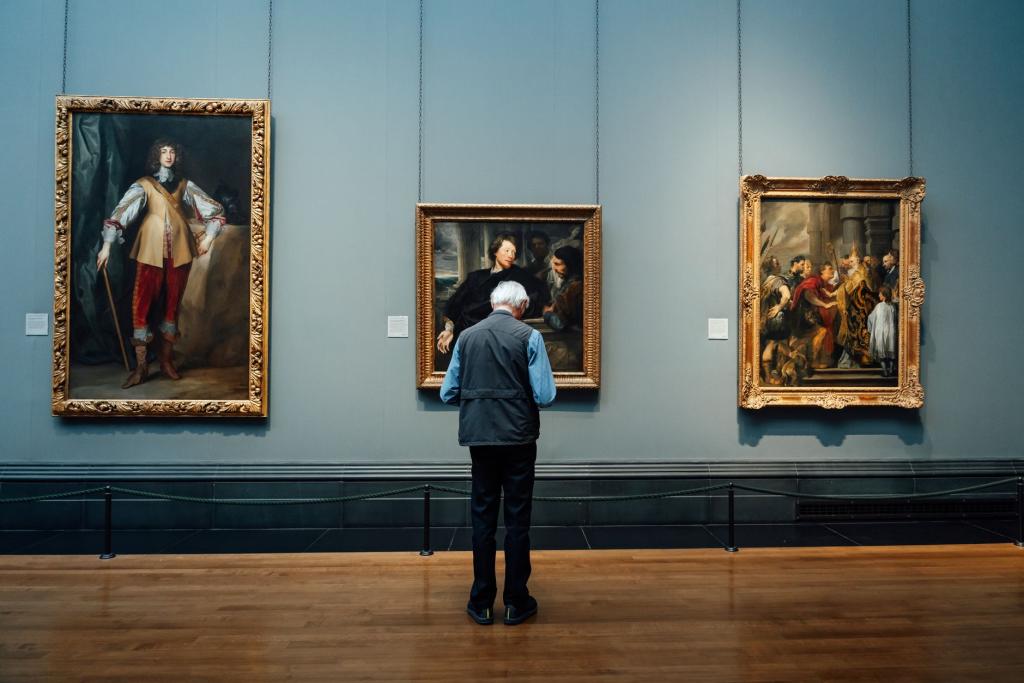
AI Glasses are opening a new way to experience art for visitors who cannot see it. At Milan's Pinacoteca di Brera, blind and low-vision guests can now explore eight masterpieces through smart glasses as part of "Sensing Art – Discovering Masterpieces Beyond What Meets the Eye," a pilot launched on October 13 by Meta and EssilorLuxottica. The glasses recognize each painting and play rich audio descriptions, letting visitors move through the gallery without touching a smartphone.
The system builds on the museum's Grande Brera app. Visitors download the app, put on the glasses, and point the built-in camera at a painting; the frames then play three layers of audio for each selected work: a morphological description of shapes and composition, an art-historical analysis, and the artist's biography. Short orientation tracks guide guests from one piece to the next. Open-ear speakers in the temples keep visitors aware of the room around them, and optional extras include a built-in voice assistant for questions about context and Be My Eyes, a service that connects users with sighted volunteers for live help, according to the partners' announcement.
The pilot did not appear out of nowhere. For nearly a decade, the Brera has run a "slow art" path for blind visitors based on DescriVedendo, a method developed by the Associazione Nazionale Subvedenti that translates a painting's visual features into structured spoken description. The glasses are essentially a hands-free upgrade to that existing itinerary, which already guided visitors through the same selection of works. Where the original path asked guests to carry a phone and headphones, the new version puts the description, the orientation cues and the camera in a single pair of frames, freeing both hands for the cane, the railing or the company of a fellow visitor.
The partner list reads like a who's who of Italian sight-loss advocacy. Alongside the national associations ANS and UICI, Milan's institute for the blind helped shape and test the experience. Alessandra Locatelli, Italy's minister for disabilities, endorsed the project in a video message, saying she hopes the trial becomes a model that other museums and cultural venues copy. Her support matters at scale: moderate or severe visual limitations affect nearly a fifth of Italy's population, and the partners say more than a million Italians are blind or visually impaired.
A first of its kind, with open questions
Meta describes the project as one of the first museum trials in the world to weave AI Glasses into a visit designed for blind and visually impaired people. That framing points to the real information gap: what happens after the pilot. The announcements published so far report no visitor numbers, no evaluation results, and no timeline for expanding beyond the initial selection of works or the reservation-only visits now on offer. The partners call the whole thing an experiment rather than a finished service, which is honest framing, but it leaves the biggest questions, about comfort over a full visit, recognition accuracy in a crowded gallery, and whether visitors actually prefer the glasses to a human guide, for the pilot itself to answer. For a technology pitched as a new standard for cultural accessibility, the evidence of its impact is still to come, and independent testing of recognition accuracy in crowded galleries remains unreported.
Why it matters beyond Milan
Still, the shape of the experiment is instructive. Accessibility tech often arrives as a separate, lesser experience; here the same masterpieces get the same scholarship, delivered through hardware that sighted people already wear for other reasons. If the reservation books fill and visitor feedback is strong, the template could travel: a museum app, an existing audio-description program, and off-the-shelf smart glasses, assembled without a moonshot budget. For readers planning a Milan trip, the practical detail is simple. The Sensing Art itinerary is available by reservation through the museum, and the visit runs alongside the gallery's ordinary programming rather than replacing it.
The launch continues a run of wearables moving past fitness and notifications. AI Glasses have been pitched as memory aids and meeting notetakers, with new note-capture devices arriving from startups this month, and smart displays are colonizing kitchen counters as voice assistants get sharper. The Brera pilot suggests the most interesting job for face-worn computers may be neither. It may be opening doors that were never built for everyone.
Comments 0
No comments yet. Be the first to share your thoughts!
Leave a comment
Share your thoughts. Your email will not be published.