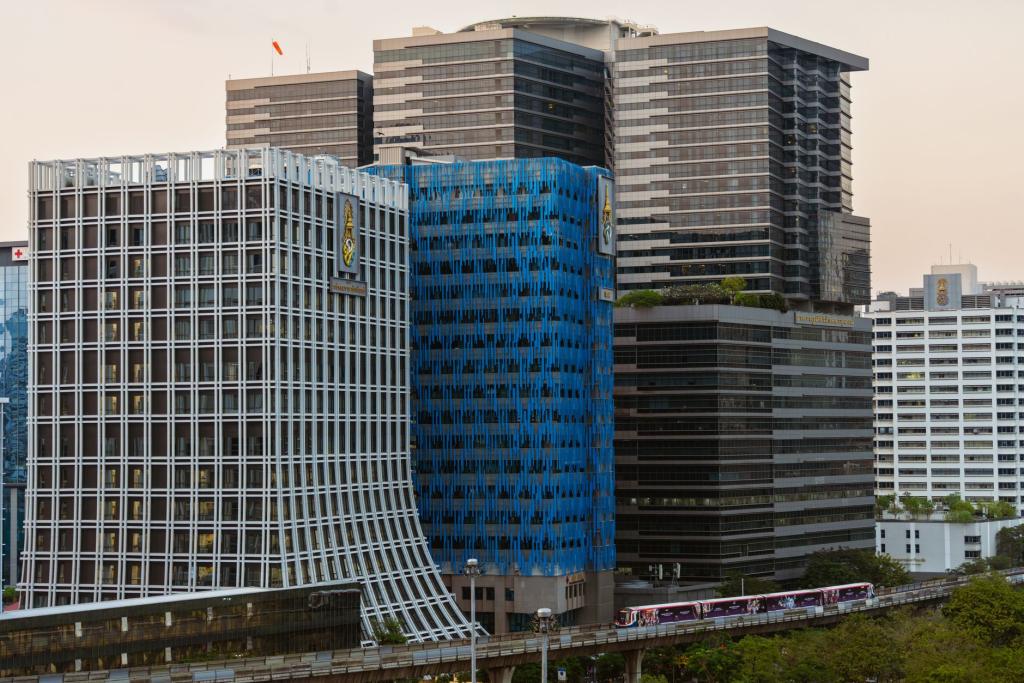
The new IMF growth forecast says the world economy will expand three point one percent this year, a hair better than July, and the reason is mostly AI. The International Monetary Fund released its latest outlook on Tuesday in Bangkok, and the headline is part relief, part warning.
The Numbers Behind the Upgrade
According to the Associated Press, the fund now expects growth of three point one percent, up from three percent in its July forecast and well below the three point five percent recorded in twenty twenty-five. Growth in twenty twenty-seven is projected to rebound to three point four percent.
The upgrade is small, but it matters because it came despite a rough backdrop. Reuters reports the improvement is largely due to continued strong investment in AI infrastructure, which prompted upgrades for advanced economies building AI platforms and especially for countries supplying AI hardware, including South Korea, Malaysia, Mexico and Thailand.
Regional numbers are telling too. Korea's SBS reports the United States is projected to grow two point three percent this year, unchanged from July. The eurozone is forecast at one point one percent, up from nine tenths of a percent, helped by a strong recovery in Ireland and steady momentum in Spain.
War, Oil and Inflation
Here is the catch. The Middle East war is now in its eighth month, and Euronews notes that prices of refined petroleum products remain far above pre-war levels. CNBC reports the fund expects inflation to climb to four point seven percent this year before easing to four point one percent in twenty twenty-seven.
The IMF also assumes the Strait of Hormuz reopens in March twenty twenty-seven, with conditions returning to a pre-war state by October of that year, according to CNBC. If that timeline slips, the whole forecast gets shakier, and the fund says so plainly.
The AFP wire quoted the fund's message in a line worth remembering: the global economy has been resilient, but that resilience is under strain, with risks tilted to the downside. The report itself is titled Resilience Under Strain, Urgent Choices.
A Split Economy
The IMF described what it calls a bifurcated outlook. Countries riding the AI wave are doing fine on paper, while energy importers that are not exposed to the boom are the most vulnerable, according to Euronews. Poorer nations face rising debt loads and tough tradeoffs as fuel bills climb.
That split is the real story for anyone under thirty. The jobs, the stock gains and the shiny new data centers are clustered in a handful of places, while huge parts of the world are paying more for gas and food without getting the upside.
The AI Bubble Question
The Associated Press also flagged a darker note, since the fund warned about growing risks from rising debt, including the financial frenzy around artificial intelligence. In plain terms, if AI spending cools suddenly, the thing holding up the headline number could wobble.
That makes this upgrade feel less like a victory lap and more like a stress test passed with a asterisk. Markets love a good headline, but the fine print says the cushion is thin and the shock absorbers are mostly one industry.
Why It Matters For Your Wallet
Higher energy costs show up everywhere, from the price of a flight to the cost of shipping a package to your door. When inflation runs near five percent, rent, groceries and student debt payments all feel heavier, even if the global growth number looks fine on a chart.
The flip side is jobs. Countries supplying chips and servers are seeing factories hum, and that can mean hiring in engineering, logistics and construction. Whether those gains spread to ordinary workers is the open question the fund keeps circling in its own warnings about uneven growth.
Young people also inherit the debt. Governments that borrow heavily today to cushion energy shocks will be paying it back for years, which can squeeze spending on schools, housing and climate projects just when you need them most.
What To Watch Next
The IMF and World Bank meetings run all week in Bangkok, so expect finance ministers to argue over energy aid, debt relief and how much to bet on AI. For more on how money moves, check our business coverage and watch oil prices closely.
You can read the underlying reporting in the Associated Press story and the CNBC report. The takeaway is simple: the world is growing slightly faster than feared, but it is leaning hard on one bet.
Comments 0
No comments yet. Be the first to share your thoughts!
Leave a comment
Share your thoughts. Your email will not be published.