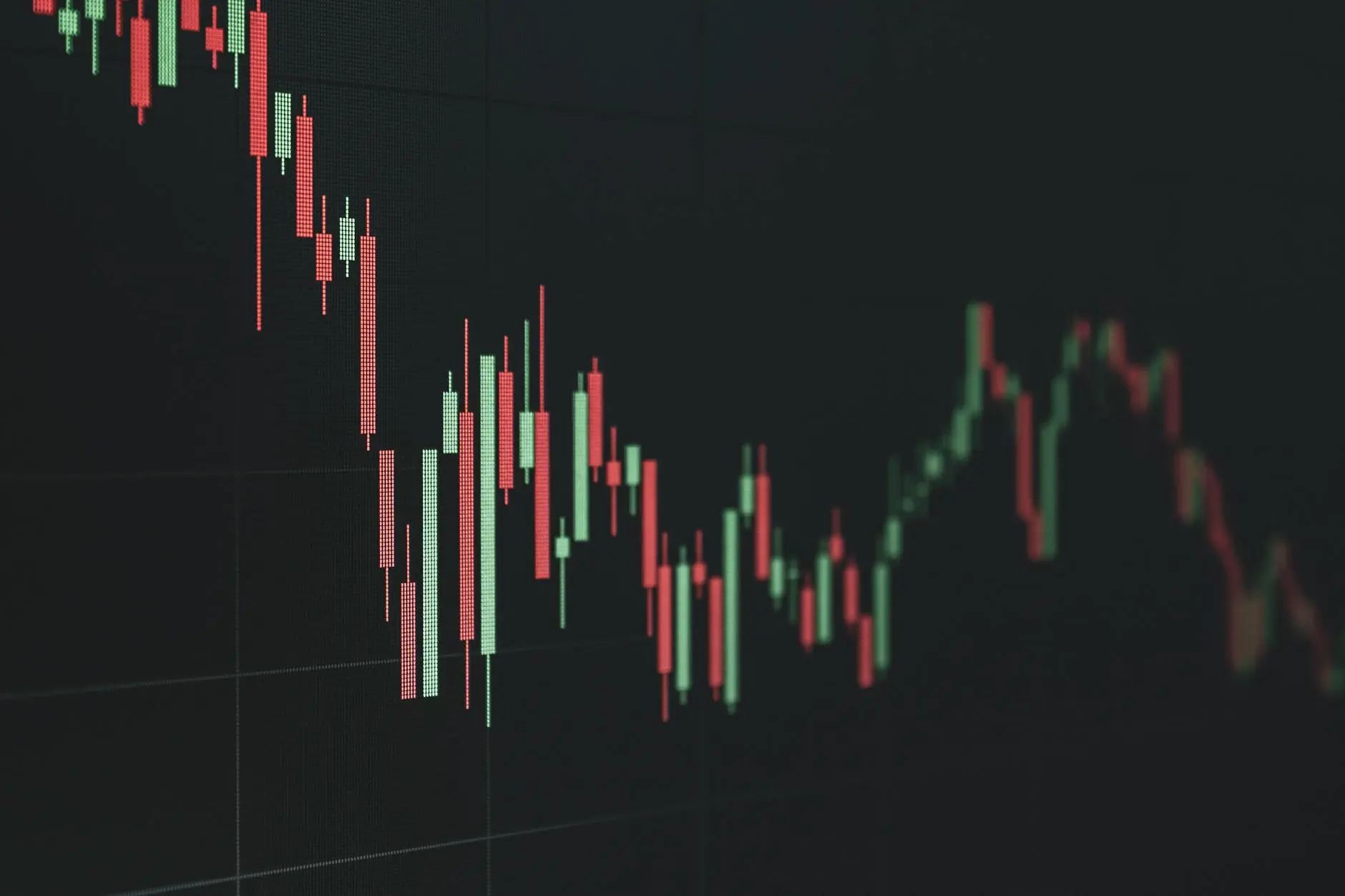
Global economic trends have profoundly shaped financial markets throughout 2025, creating both opportunities and challenges for investors, businesses, and consumers navigating an increasingly complex economic landscape. The interplay between trade policies, technological innovation, and monetary decisions has produced a dynamic environment where traditional investment strategies require constant adaptation to remain effective and profitable over time. According to Bloomberg financial reporting, markets have experienced significant volatility as participants assess the implications of policy changes and economic indicators that signal shifting growth trajectories across major economies worldwide with substantial implications for portfolio management.
Trade Policy Impacts on International Commerce
The global economic trends of 2025 have been significantly influenced by evolving trade relationships between major economic powers, particularly the United States and China as they navigate competitive dynamics. Tariff policies and trade negotiations have created ripple effects throughout supply chains, affecting manufacturing costs, consumer prices, and corporate profit margins across diverse industry sectors in both developed and emerging markets. Businesses have responded by diversifying supplier networks and exploring nearshoring options to reduce dependence on single-source dependencies that proved problematic during previous supply chain disruptions that disrupted global commerce. The reconfiguration of global trade relationships represents a fundamental shift in how international commerce operates in the contemporary economic environment with long-term structural implications.
According to Reuters business coverage, international trade volumes have shown mixed patterns as companies adjust to new regulatory frameworks and tariff structures that vary significantly between regions and industries. Some sectors have benefited from protectionist policies while others have struggled with increased costs and reduced market access that affect their competitive positioning. For Gen Z entrepreneurs and workers entering the job market, understanding these global economic trends is essential for identifying career opportunities and business prospects that will remain viable as trade relationships continue evolving throughout the decade and beyond.
Technology Sector Driving Market Performance
Technology companies have continued to drive significant portions of global economic trends in 2025, with artificial intelligence and cloud computing sectors leading market performance across major indices and investment categories. The proliferation of AI applications across industries has created new investment opportunities while disrupting traditional business models that relied on labor-intensive processes and legacy systems. According to CNBC market analysis, technology sector valuations have remained elevated despite broader market uncertainty, reflecting investor confidence in continued innovation and growth potential within the digital economy that continues to expand rapidly.
The intersection of technology and finance has produced new asset classes and investment vehicles that appeal to younger investors seeking exposure to emerging growth sectors and alternative opportunities. Cryptocurrency markets, fintech platforms, and digital payment systems have gained mainstream acceptance, creating alternative pathways for wealth accumulation that previous generations did not have access to during their formative investing years. These global economic trends have democratized investment opportunities while also introducing new risks that require careful consideration and due diligence from market participants who must balance opportunity with appropriate risk management.
Monetary Policy and Interest Rate Dynamics
Central bank policies have played a crucial role in shaping global economic trends throughout 2025, as interest rate decisions impact borrowing costs, currency valuations, and investment allocations across asset classes globally. The transition from the low-interest-rate environment of previous years has required significant adjustments from both businesses and consumers who had become accustomed to cheap credit conditions that fueled expansion and spending. Higher borrowing costs have affected housing markets, corporate expansion plans, and consumer spending patterns in ways that continue reverberating through the broader economy with lasting implications for financial planning.
For young investors and professionals, these global economic trends underscore the importance of financial literacy and diversified investment strategies that can withstand market fluctuations and economic uncertainty. Understanding the relationships between monetary policy, economic growth, and asset performance provides a foundation for making informed decisions about savings, investments, and career planning in an economic environment characterized by uncertainty and rapid change. Building resilience through diversified income streams and adaptive skill sets has become increasingly important for navigating the financial landscape of the mid-2020s and preparing for future economic challenges.
Comments 0
No comments yet. Be the first to share your thoughts!
Leave a comment
Share your thoughts. Your email will not be published.