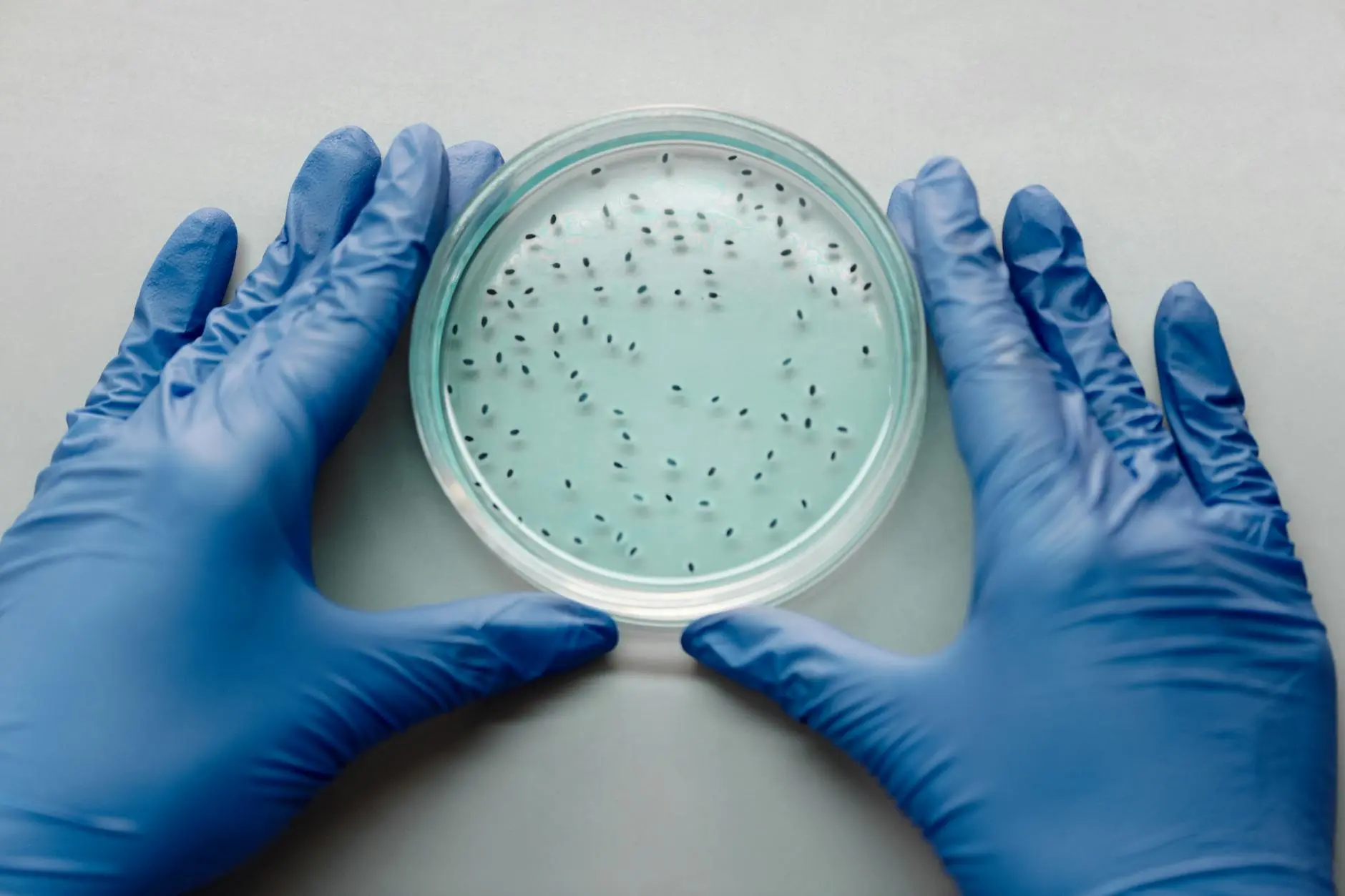
In a groundbreaking development that could transform cancer treatment accessibility worldwide, scientists have engineered a bacterial strain doxorubicin production method that yields 180% more of this critical chemotherapy drug than current industrial standards. This breakthrough addresses a 50-year-old bottleneck in pharmaceutical manufacturing that has contributed to persistent supply shortages and extremely high costs for patients.
The bacterial strain doxorubicin advancement comes from an international research team who spent years analyzing and overcoming the molecular limitations that have constrained natural production since the 1970s. This represents one of the most significant pharmaceutical manufacturing breakthroughs in recent history.
The 50-Year Challenge in Drug Production
Doxorubicin has been produced naturally through bacterial fermentation for decades, but manufacturers have consistently struggled with limited yields. According to research published in March 2026, the team identified three critical bottlenecks that have constrained bacterial strain doxorubicin production: insufficient electron flow to power the drug-producing enzyme, drug sequestration by the DnrV protein, and suboptimal enzyme-drug interactions within the bacterial system.
These limitations have contributed to chronic drug shortages and inflated prices that put this essential medication out of reach for many patients, particularly in developing countries where healthcare budgets are severely constrained. This situation has created significant inequities in cancer treatment access globally.
How the Engineered Bacterial Strain Works
The researchers engineered a revolutionary bacterial strain doxorubicin production system by addressing all three bottlenecks simultaneously. First, they identified specific redox partners named Fdx4 and FdR3 that serve as a natural biological power supply, providing the necessary electron flow to energize the drug-producing enzyme. Second, they modified the bacteria to minimize drug sequestration by the DnrV protein, allowing more of the compound to accumulate.
Third, they optimized enzyme-drug interactions through targeted genetic modifications that dramatically improve catalytic efficiency. The result is a bacterial strain doxorubicin production system that yields nearly three times what conventional methods produce, representing a quantum leap in biopharmaceutical manufacturing capability. This innovation demonstrates how genetic engineering can revolutionize pharmaceutical production methods and address long-standing supply chain challenges.
The implications for the pharmaceutical industry are profound and far-reaching, potentially changing how we manufacture essential medicines worldwide.
Impact on Global Cancer Treatment Access
This development could have profound implications for cancer care worldwide. Doxorubicin is one of the most widely used chemotherapy agents, treating leukemia, lymphoma, breast cancer, ovarian cancer, and many other malignancies. Despite its critical importance, the high cost and limited supply have created significant barriers for patients, particularly in low and middle-income countries where access to life-saving medications remains limited.
With increased production capacity from this bacterial strain doxorubicin breakthrough, more patients could access life-saving treatment without facing devastating financial burdens. According to the American Cancer Society, chemotherapy costs can exceed $150,000 annually for some treatments, placing enormous strain on patients and healthcare systems.
Healthcare systems worldwide could benefit from reduced procurement costs, potentially allowing funds to be redirected toward other critical needs in cancer care and research. The potential for lower-cost doxorubicin could help reduce these financial barriers and improve outcomes for millions of patients globally.
The Future of Biopharmaceutical Manufacturing
The research represents a major step forward in biopharmaceutical manufacturing, demonstrating how synthetic biology can address longstanding challenges in drug production. According to Nature Biotechnology, advances in metabolic engineering are enabling unprecedented improvements in pharmaceutical production efficiency.
As production becomes more efficient through this bacterial strain doxorubicin innovation, the reduced manufacturing costs could translate to more affordable treatment options for healthcare systems and patients alike. This breakthrough demonstrates the potential for similar approaches to revolutionize production of other essential medicines.
This breakthrough comes at a crucial time as global demand for chemotherapy drugs continues to rise due to increasing cancer incidence worldwide. According to the World Health Organization, cancer cases are projected to increase by 47% by 2040, making innovations in drug manufacturing increasingly critical.
The engineered bacterial strain offers hope for addressing both supply constraints and the economic burden of cancer treatment. Industry experts believe this could be just the beginning of a new era in pharmaceutical manufacturing. For more science and technology news, visit our Science section and Health coverage.
Comments 0
No comments yet. Be the first to share your thoughts!
Leave a comment
Share your thoughts. Your email will not be published.