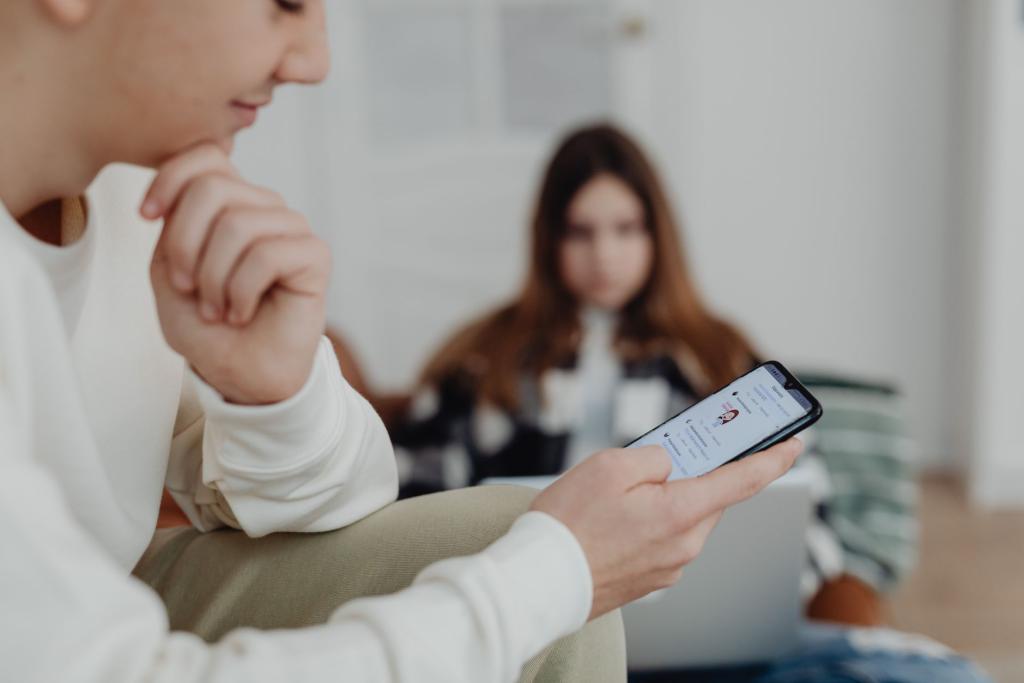
Australia's Under-16 Social Media Ban took effect on December 10, 2025, and nine months on, the world's boldest experiment in regulating teen scrolling is entering a tougher phase. The Australian government has just armed its online safety regulator with stronger investigation powers and doubled the maximum penalty for platforms that flout the under-16 age rule, lifting it to ninety-nine million Australian dollars. The move comes as new research casts doubt on what the ban has actually achieved: a peer-reviewed medical journal found "insufficient evidence" of substantial early effects on how much time under-16s spend on social media.
What Australia's Under-16 Social Media Ban Changed in Its First Months
Under the law, ten named services — including Instagram, Facebook, TikTok, Snapchat, YouTube, Threads, X, Reddit, Kick and Twitch — must take what lawmakers called "reasonable steps" to keep anyone under 16 from holding an account, according to a legal analysis by Pinsent Masons. The government says nearly five million accounts were removed in the first month after the ban took effect, while Reddit alone suspended 43,962 accounts between December and March, per a report by The Brief.
Those removals tell only part of the story. The eSafety Commissioner's own research found that seven in ten children under 16 who already had a social media account before the ban still had some access afterward, according to TechRepublic, which cited the BBC's reporting. Separate polling by the Molly Rose Foundation found about six in ten children aged 12 to 15 still had access — a reminder that removing accounts and removing users are very different things.
The road here was fast:
- Late 2024: Parliament passed the amendment setting the under-16 minimum age.
- December 2025: enforcement began, and platforms started large-scale removals.
- March 2026: the regulator's compliance update flagged low-confidence age checks and repeat bypass attempts as concerns.
- June 2026: Canberra introduced a bill to strengthen enforcement and double fines.
- September 11, 2026: the bill was formally passed, letting the regulator demand documents — not just information — from platforms.
Canberra's New Stick: Bigger Fines and Sharper Teeth
Prime Minister Anthony Albanese said the escalation was overdue, warning that "big tech is not doing enough to comply with the law," a remark reported by TechRepublic via Reuters. Communications Minister Anika Wells has gone further, accusing platforms of doing the bare minimum with tactics she said came straight from the big tech playbook.
Beyond the fine, the regulator can now compel platforms to hand over documents showing how their age checks actually work, and can seek evidence from third parties such as age-check vendors and app stores, according to Biometric Update. The commissioner is already investigating five big services — Instagram, Facebook, YouTube, Snapchat and TikTok — for possible non-compliance, as reported by TechRepublic.
The Evidence Gap: What Researchers Actually Found
A peer-reviewed study in the British Medical Journal tracked more than 400 young social media users just before the ban and again three months later, as reported by Phys.org. It found little change for 12- and 13-year-olds and only a slight decrease among 14- and 15-year-olds. Separate reporting cited a University of Newcastle study that claimed more than 85 percent of Australian teens under 16 were still using social media apps, according to TechRepublic.
Teens dodged the checks with familiar tricks: accounts registered under an older person's name, fake profiles and private browsing sessions. Two-thirds of those who kept using social media said they had encountered some form of age verification — usually just declaring their age or uploading a photo. About a fifth admitted using a fake account, while roughly one in ten said they used a private browser.
The paper concluded there was "insufficient evidence" of substantial early effects — a finding the authors stressed does not prove the policy cannot work, only that early implementation was patchy. The findings offer an early independent test of Australia's Under-16 Social Media Ban. An accompanying editorial warned against confusing a policy's failure to launch with its failure to work.
What It Means for Teens — and Whether Your Country Is Next
For Australian teenagers, the ban has not meant disappearing from the internet — it has meant moving sideways. Regulators have noted a drift toward messaging apps and online games, and parents report less visibility into what their kids do online. Australia's Under-16 Social Media Ban has made breaking the rules slightly harder, but surveys show most teens barely noticed.
The experiment is being watched closely abroad. France's Constitutional Council recently ruled that an under-15 social media ban would be unconstitutional, a point raised in Reddit's High Court challenge to the Australian law, according to The Brief. The United Kingdom is weighing similar age restrictions, while Indonesia, the United Arab Emirates and New Zealand are watching or considering their own versions. Notably, the Australian government has conceded that scientists had not reached a consensus on the ban's likely effects before it was imposed — an admission now central to the court challenge.
Free-expression advocates argue the policy trades one harm for another: stricter age checks mean handing more identity data to platforms and their vendors, and false positives can lock out adults. The government counters that precaution was justified — the same logic, ministers say, as requiring seatbelts before crash data is complete. Canberra has doubled its fines, but Australia's Under-16 Social Media Ban has not yet answered its biggest question: whether keeping kids off these platforms is the lever that fixes what is wrong with them.
For more on how platforms are being pushed to redesign for younger users, read our explainer on the TikTok Alabama settlement, and browse more global policy stories on the World & Society topic page.
Comments 0
No comments yet. Be the first to share your thoughts!
Leave a comment
Share your thoughts. Your email will not be published.