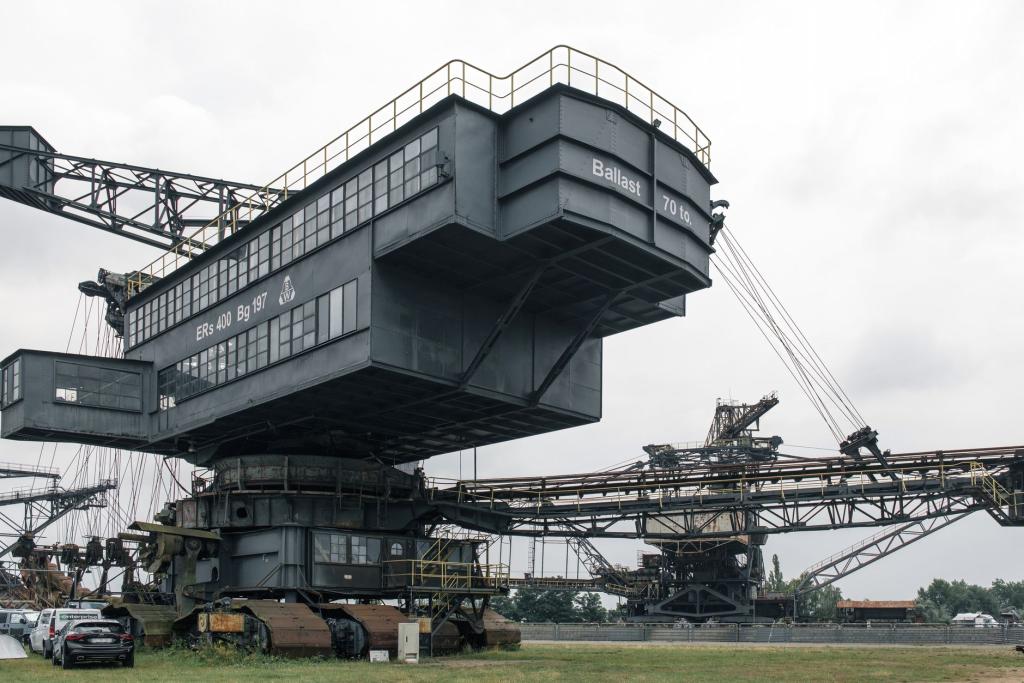
New South Wales has approved the biggest coal mine expansion in its history, a decision youth climate activists are calling the largest climate policy failure the state has ever seen. The state's Independent Planning Commission gave the Hunter Valley Operations Continuation Project the green light on September 30, 2026, unlocking almost two more decades of mining near the town of Singleton, according to energy news outlet Renew Economy. The ruling makes the extension the largest of its kind ever proposed in NSW, and it has already triggered an angry response from young Australians who say it wrecks the country's climate credibility.
The operation is a joint venture between Glencore, which holds a 49 percent stake and operates the site, and Yancoal, which holds the remaining 51 percent, as reported by commodity news outlet Argus Media. Under the approval, mining at HVO North will run from December 2026 to 2045, while HVO South is cleared to operate from 2030 to 2042. Together the extension adds 19 years to the project's life and would see an estimated 429 million tonnes of coal extracted, most of it thermal coal burned for electricity, with a smaller share sold as semi-soft coking coal for steelmaking.
The emissions attached to that coal are enormous. Over its lifetime the project would generate about 809 million tonnes of carbon dioxide equivalent, more than seven times the state's annual climate pollution, according to the NSW government's own assessment report, as described by ESD News. Just over 15 million tonnes of that total would come from the site itself. The remaining share, roughly 793.8 million tonnes, would be released when the coal is exported and burned overseas, meaning the climate damage lands far beyond the Hunter Valley.
What the approval covers
The decision caps a six-year planning and assessment process that included a three-day public hearing. Documents show the commission received more than 10,000 written submissions on the project, with around 60 percent of them backing the extension. The verdict was delayed by four weeks from its scheduled early-September date because of the complexity of the issues and the scale of public interest. The biggest coal mine proposal in state history needed that long partly because commissioners had to weigh two competing stories: regional jobs and royalties on one side, and the state's legislated emissions targets on the other.
The commission tried to thread that needle with conditions. The approval requires the operation to run on renewable energy at the site, buy carbon offsets, and restrict coal sales to jurisdictions making climate efforts consistent with the Paris Agreement. The commission said in a statement that the conditions "effectively manage the greenhouse gas impacts ... within the parameters of the NSW and Commonwealth statutory and policy regimes, and the international Paris Agreement." But critics note the conditions do nothing about the vast majority of emissions, which come from burning the coal after it leaves Australia. Federal environmental approval is also still required, and must be decided by December 31, 2026.
Why young Australians are pushing back
For young climate activists, the conditions look like window dressing on a disaster. Campbell Knox, a Newcastle resident and spokesperson for the group Rising Tide, called the decision "the largest climate policy failure in NSW history." Environmental groups said approving more coal projects is inconsistent with the Paris Agreement and would seriously jeopardise NSW's net-zero targets. Climate Council councillor and former Fire and Rescue NSW commissioner Greg Mullins was blunter, saying in a statement: "This is a decision that every community in NSW will end up paying for, including those who are still recovering from worsening fires and floods fuelled by climate pollution."
The anger fits a bigger pattern. Since coming to power, Labor has approved or extended 37 fossil fuel projects, according to analysis published by GreenLeft, and the biggest coal mine decision of them all lands just weeks before Australia's climate spotlight moment. Sydney Students for Climate are organising a protest on October 24, 2026, on Gadigal Country in Sydney, ahead of the COP31 climate summit, demanding an end to new and expanded coal and gas projects. The timing is deliberate: Australia's National Climate Risk Assessment found NSW is among the regions facing the most significant and rapid increases in climate hazards. Mullins said every community in NSW would end up paying for the decision, arguing that the coal the state exports returns as bushfires, floods, heatwaves and droughts. The story belongs on the climate emergency beat because it shows how one planning decision can ripple through an entire generation's future.
The jobs case for the project
The project's defenders tell a very different story, and it is one about livelihoods. The operator says the site supports 1,500 jobs, has engaged more than 800 suppliers, and injects more than a billion dollars a year into the economy. NSW Natural Resources Minister Courtney Houssos told ABC Upper Hunter that the workforce is a key part of the state's economy, especially in the Hunter Valley, while insisting the state will adhere to its legislated net-zero targets. The approval also has backing from Premier Chris Minns and the NSW Coalition. For towns built around the pit, the extension means pay packets, apprenticeships and community funding for another generation.
What happens next is partly out of NSW's hands. The federal government must still grant environmental approval before December 31, 2026, which gives opponents a second front to fight on. Students, unions and environment groups are expected to flood Canberra with submissions if the federal assessment opens for comment. And with wildfire smoke and extreme heat already straining health systems, as explored in the story on heat and wildfires driving ozone pollution, young Australians say they will keep the pressure on through October 2026 and beyond. The extension may be approved, but the fight over it is just getting started.
Comments 0
No comments yet. Be the first to share your thoughts!
Leave a comment
Share your thoughts. Your email will not be published.