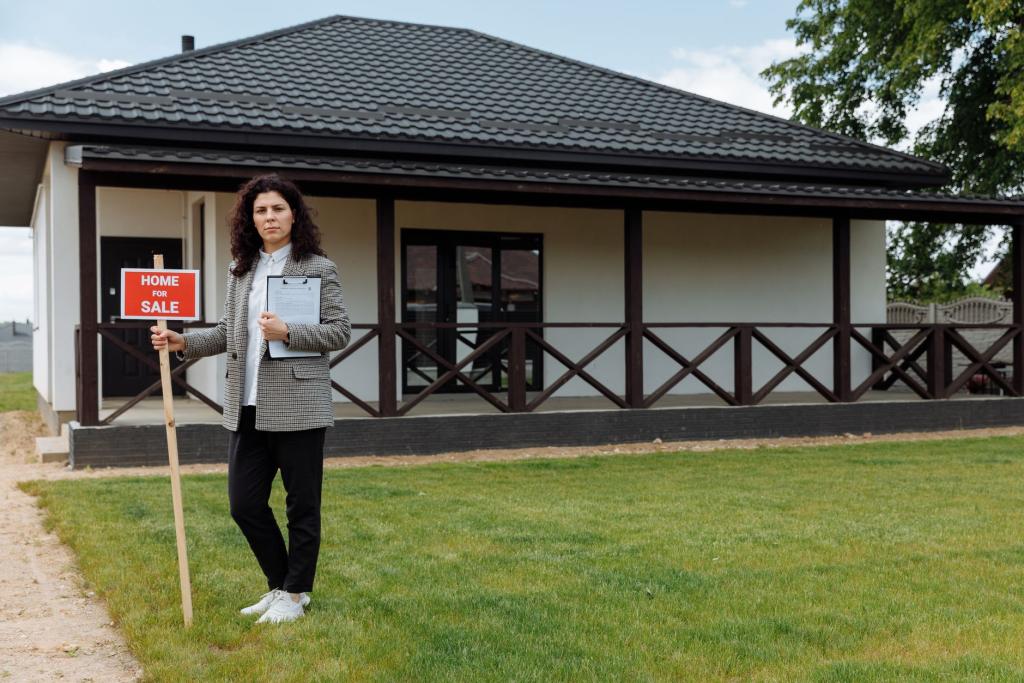
Australia house prices falling for a fifth consecutive month is being reported as a national tragedy. Every property desk in the country has the same furrowed-brow tone: values down again, household wealth eroding, consumer spending at risk. The unpopular truth is simpler. This is good news. After the most punishing run-up in living memory, the Australian housing market is finally doing the one thing it has refused to do for years: getting cheaper.
The numbers, according to PropTrack's Home Price Index, are almost comically mild. National home prices fell 0.2% in August, the fifth straight monthly decline, and now sit 2.7% below their March peak. They remain 1.8% higher than a year ago and 27.5% higher than five years ago. Cotality's index tells a slightly darker version of the same story: values down 0.9% in August, 3.6% below the March peak, with 93% of capital-city suburbs recording falls over the past three months. Sydney dropped 1.4% in the month and is 7.1% below its February peak. Adelaide fell 0.9%, the sharpest of any capital. Only Darwin managed a rise.
Read those figures again and ask where exactly the crisis is. Prices in Adelaide are still up 71.5% over five years. Sydney is down 7% from a peak that was itself absurd. AMP chief economist Shane Oliver expects a peak-to-trough decline of around 10% and reckons the market is only about 35% through the downturn. A 10% correction after a multi-year surge of 30 to 70% is not a crash. It is a rounding error with good PR.
Houses are for living in, not for retirement plans
The panic makes sense once you notice who it is for. The coverage keeps circling the same worry, spelled out plainly in the property press: falling prices threaten household wealth and consumer spending. Translation: people who already own homes might feel slightly less rich on paper, and might buy one fewer jet ski. The entire conversation is framed around the comfort of owners, while the millions of Australians locked out of the market entirely are treated as background extras.
That framing is backwards. A house is first a place to live and only second an investment, and the second function has been devouring the first for a decade. When prices rise 27.5% in five years, every percentage point is a door closing on a first-time buyer. Nobody wrote crisis headlines about that. The wealth effect only ever gets mourned in one direction, which tells you whose wealth counts.
Buyers finally have leverage, and sellers know it
Strip out the lamenting and the downturn looks like a market working properly, maybe for the first time in years. Cotality's data shows advertised stock in the capitals is 24% higher than a year ago even though new listings are 6% lower, which means the buildup comes entirely from properties failing to sell. Quarterly sales volumes are down 15% year on year. Homes are taking longer to move, vendor discounting is rising, and as RateMoney's summary of the data put it, buyers are gaining greater choice and negotiating power.
Higher interest rates are doing the heavy lifting. The Reserve Bank has lifted the cash rate by 75 basis points this year, which has cut borrowing capacity and cooled demand, exactly as textbook economics says it should. The budget's negative gearing and capital gains tax reforms have taken speculators off the field too: investor loan commitments fell 8.6% in the June quarter, the sharpest drop since 2022, according to Broker News. Fewer investors bidding means more oxygen for people who actually want to live in the houses.
The generation that needs this most is told to mourn it
Here is the part that stings. The cohort most punished by the run-up, young Australians, is now being told to treat its reversal as a disaster. This is the same generation we have covered working full-time jobs on top of side hustles just to stay afloat, and stuck in a jobs debate that misses the real problem. They did everything the economy asked of them and still could not afford a deposit. Now prices are falling and the headlines call it a crisis. A crisis for whom?
Nobody is cheering for a 2008-style collapse. A genuine crash would hurt everyone, renters included, through job losses and frozen credit. But a 10% orderly decline, which is what the economists are actually forecasting, is not that. It is the market exhaling. It is Darwin excepted, every capital city becoming slightly less impossible, one month at a time.
So let the property desks furrow their brows. Australia house prices falling is the first housing story in years where the winners outnumber the losers, because the winners are everyone who does not own a house yet. That used to be called a functioning market. We should let it function.
Sources: PropTrack Home Price Index via realestate.com.au; Cotality Home Value Index via RateMoney.
Comments 0
No comments yet. Be the first to share your thoughts!
Leave a comment
Share your thoughts. Your email will not be published.