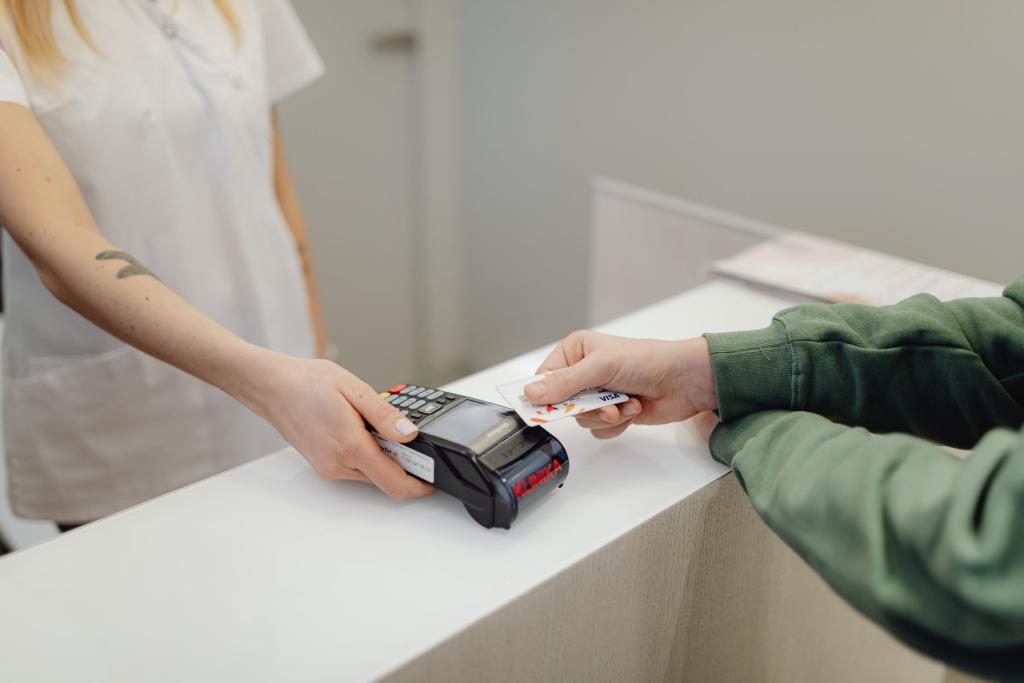
The card surcharge is dead in Australia. From 1 October, shops can no longer add an extra fee when a customer pays by card, under Reserve Bank reforms that Treasurer Jim Chalmers says will save shoppers around $1.6 billion a year in checkout fees.
The catch is that a cost does not disappear just because a line on the receipt does. Within days, customers began spotting new "platform fees" on food orders and checkout pages, and the consumer watchdog is already watching for old surcharges wearing new names. Here is what the Australia card surcharge ban changed, and how to make sure the saving lands in your pocket rather than back at the till.
What the Australia card surcharge ban covers
The ban applies to eftpos, Visa, Mastercard and American Express payments, whether you tap in a store, pay online, or check out through a phone wallet with a card saved in Apple Pay or Google Pay, according to Money Magazine Australia. Merchants must either absorb the cost of card processing or fold it into their prices. The card networks are responsible for enforcement, with surcharge functions being switched off on payment terminals, although reports from the first weeks show some businesses were still caught unprepared.
To cushion the blow for businesses, the Reserve Bank cut the cap on interchange fees for domestic consumer credit cards from 0.80 per cent to 0.30 per cent, a move the central bank expects to deliver around six hundred and sixty million dollars a year in lower payment costs for businesses, AAP reported. Chalmers put the business saving at $910 million a year. Prime Minister Anthony Albanese backed the change as cost-of-living relief, saying people expect the price they see to be the price they pay when they tap at a coffee shop or a pub.
The fees that crept back in
Just days after the ban took effect, food ordering platforms me&u and Bopple began adding platform fees of 20 to 60 cents, according to Money Magazine Australia. The new fees replace the card surcharge the platforms used to charge, which in me&u's case was 1.7 per cent. Enforcement of the network ban sits with the card networks and payment providers under their scheme rules, while the Australian Competition and Consumer Commission polices misleading pricing under consumer law. The Commission says it is aware of concerns about platform, booking and service fees appearing since the ban, and has warned that giving a card surcharge a new name may amount to misleading conduct.
Plenty of charges never left. Weekend and public holiday surcharges, booking fees and service fees are still allowed, as long as they are not charged simply because the customer paid by card. One Sydney cafe owner told SBS he would raise his weekend surcharge from 10 to 12 per cent rather than reprint his menu, and most small businesses are expected to fold card costs into their shelf prices instead. The banks are adjusting too: major issuers have already cut rewards earn rates, trimmed perks and re-priced cards, according to coverage of the rollout.
How to keep the savings
Start by reading the whole receipt. Under the Australia card surcharge ban, any fee that appears only when you pay by card is still a card surcharge, whatever it is called, and it can be reported to the Australian Competition and Consumer Commission. If a platform fee makes the online order pricier than the walk-up price, order at the counter or pay by bank transfer, which carries no card fee. For big purchases, ask before you tap, since some businesses now limit how much of a large invoice can go on a card while they rework their terms.
If you settle tax bills by card, note that the Australian Taxation Office will stop accepting credit card payments after 30 November, so line up another way to pay, AAP reported. The Australia card surcharge ban is meant to make the price on the sticker the price at the till. The first weeks show that merchants and platforms will keep testing where the edges are, and the shopper who checks the receipt keeps the reform working in their favour.
Comments 0
No comments yet. Be the first to share your thoughts!
Leave a comment
Share your thoughts. Your email will not be published.