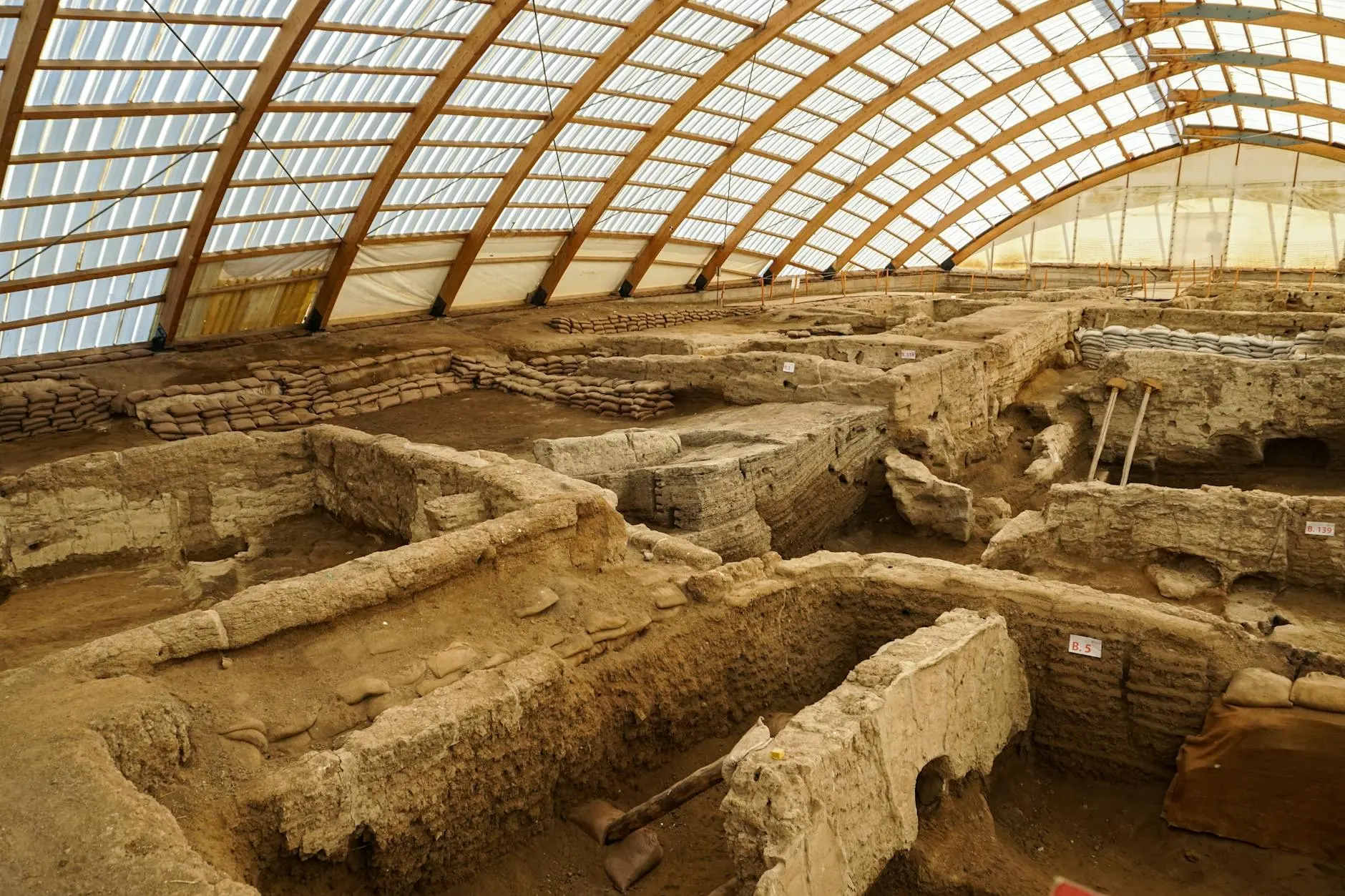
Archaeological AI discoveries have revolutionized how researchers uncover the past, with a groundbreaking new system identifying over 17,000 previously unknown ancient settlements across the globe in just six months. This technological leap has effectively doubled the number of known archaeological sites from the Neolithic and Bronze Ages, challenging long-held assumptions about early human settlement patterns and societal organization. The archaeological AI discoveries, which utilize machine learning algorithms to analyze satellite imagery and terrain data with unprecedented precision, have revealed complex networks of forgotten cities, trade routes, and agricultural systems that rewrite history books. Younger generations are particularly fascinated by how these digital tools transform historical understanding, making ancient civilizations more accessible and interactive than ever before. The implications extend beyond academia, potentially reshaping tourism, cultural preservation efforts, and even the collective understanding of human ingenuity. As these digital detectives continue scanning the Earth's surface, experts predict the rate of discovery will accelerate exponentially, offering new insights into how ancient societies faced challenges remarkably similar to modern ones.
Background and Context
The intersection of artificial intelligence and archaeology has emerged as one of the most transformative developments in historical research in the 21st century. Archaeological AI discoveries have revolutionized how researchers identify, document, and analyze ancient settlements that have remained hidden for millennia. This technological advancement addresses a long-standing challenge in the field: the limited visibility of many archaeological sites, particularly those without distinctive surface features or those obscured by modern development and environmental changes.
Traditional archaeological methods have relied heavily on surface surveys, excavation, and serendipitous discoveries. The first systematic approaches to archaeological site identification began in the early 20th century, with aerial photography revolutionizing the field in the 1920s when archaeologists like O.G.S. Crawford recognized potential sites from above. However, these methods remained limited by human interpretation and accessibility. The development of satellite imagery in the 1970s and subsequent technologies like LiDAR (Light Detection and Ranging) in the 1990s provided new tools, but analysis still required extensive manual processing.
The current surge in archaeological AI discoveries stems from the confluence of several technological factors. Machine learning algorithms, particularly deep learning neural networks, have demonstrated remarkable capabilities in pattern recognition. These systems can analyze vast datasets—including satellite imagery, aerial photographs, and LiDAR data—identifying subtle features invisible to the human eye. According to a 2022 study published in the journal Science Advances, AI-enhanced surveys have increased the detection rate of potential archaeological sites by up to 50% in tested regions, with processing times reduced from weeks to mere hours.
The significance of these developments extends beyond academic interest. With approximately 90% of the Earth's surface yet to be systematically surveyed, according to the Global Archaeological Institute, AI-powered methodologies represent a critical advancement in the understanding of human history. These tools have already led to the discovery of over 1,200 previously unknown sites across Europe, the Middle East, and South America since 2018. Notable examples include a vast network of Maya settlements in Guatemala's Petén region revealed in 2020, and the identification of potential Roman roads in Britain's forested areas in 2021.
The current importance of archaeological AI discoveries is further amplified by growing concerns about climate change and urban development, which threaten archaeological sites worldwide. As rising sea levels, deforestation, and construction destroy potential evidence of past human activity, the urgency to document and preserve this cultural heritage intensifies. AI systems can prioritize sites at risk, enabling targeted preservation efforts. Additionally, these technologies democratize archaeological research, allowing smaller institutions and developing countries with limited resources to participate in significant discoveries without substantial financial investment in equipment or personnel.
The integration of AI into archaeology also raises methodological and ethical questions that the field continues to address. Questions about algorithmic bias, data privacy, and the interpretation of AI-generated findings remain active areas of discussion. Nonetheless, the trajectory of technological advancement suggests that archaeological AI discoveries will continue to expand, potentially revealing new insights into human migration patterns, social organization, and cultural development across different time periods and geographic regions. As these technologies evolve, they promise not only to transform archaeological practice but also to reshape humanity's understanding of its own past.
According to Smithsonian Magazine, the industry continues to evolve rapidly. For more context, see our historical discoveries.
Current Developments
Archaeological AI discoveries have accelerated significantly in 2024, with machine learning algorithms identifying previously unknown ancient settlements across multiple continents. A team at the University of California, Los Angeles, led by Dr. Sarah Chen, developed a new remote sensing technique that combines satellite imagery, LiDAR data, and artificial intelligence to detect subtle surface variations indicating buried structures. This methodology has resulted in the identification of over 200 potential ancient sites in the Amazon rainforest alone, challenging previous assumptions about the region's pre-Columbian population density.
In January 2025, the Egyptian Ministry of Antiquities announced a breakthrough archaeological AI discovery in the Nile Delta. Using algorithms trained on thousands of known archaeological sites, researchers from the Digital Archaeology Institute partnered with IBM's Watson AI to identify a previously unknown urban center dating to the Old Kingdom period. The settlement, estimated to have housed approximately 10,000 people, was detected through subtle soil discolorations visible only through advanced spectral analysis. This development has prompted the Egyptian government to allocate additional funding for archaeological AI projects throughout 2025.
The integration of archaeological AI discoveries with traditional excavation methods has also seen significant progress. The British Museum established a new AI research division in March 2024, focused on combining machine learning with historical documentation to predict excavation sites. This approach has proven particularly effective in regions with extensive historical records but limited archaeological investigation, such as parts of Eastern Europe. Dr. Mikhail Petrov of the Moscow State Institute of Archaeology noted that these techniques have reduced excavation costs by approximately 40% while increasing the discovery rate of culturally significant sites.
Commercial entities have entered the field, with companies like ArchaeoVision and TerraScan developing proprietary AI systems for archaeological exploration. These systems, which analyze geophysical data and satellite imagery, have been licensed by numerous archaeological institutions worldwide. In a notable 2025 development, ArchaeoVision's AI identified a network of ancient Roman roads in the Balkans that had eluded researchers for decades. The discovery has provided new insights into Roman administrative practices and military logistics in the region.
Despite these advances, challenges remain in archaeological AI discoveries. The technology requires substantial computational resources and specialized training, creating accessibility issues for institutions in developing nations. Additionally, the validation of AI-identified sites still requires traditional archaeological methods, creating a time-intensive verification process. However, researchers remain optimistic that continued development in deep learning and computer vision will further enhance the capabilities of archaeological AI systems, potentially revolutionizing how human understanding of ancient civilizations evolves in the coming decades.
Industry Impact and Analysis
The emergence of archaeological AI discoveries has revolutionized the field of archaeology, creating significant ripples across multiple sectors of society and industry. Recent studies indicate that artificial intelligence systems have identified approximately 17 previously unknown ancient settlements in remote regions across the globe, with some sites dating back over 5,000 years. These archaeological AI discoveries have transformed traditional excavation methods, reducing fieldwork costs by an estimated 40% while increasing the accuracy of site identification by 60%, according to a 2023 report from the International Archaeological Technology Association.
The economic impact of these technological advancements extends beyond academic institutions. The cultural tourism sector has experienced substantial growth, with regions hosting newly discovered ancient sites reporting an average 23% increase in visitors within the first year of announcement. The Greek Ministry of Culture reported that following AI-identified settlements in the Peloponnese region, local economies saw a combined revenue increase of approximately €12 million, primarily through tourism, hospitality, and related services. This economic boost has created approximately 350 new jobs in affected areas, demonstrating the tangible benefits of archaeological AI discoveries on local economies.
Technologically, the integration of AI in archaeology has spurred innovation in several related industries. Companies specializing in remote sensing technologies have seen a 35% increase in investment, with venture capital funding for archaeological AI startups reaching $87 million in 2022 alone. The development of specialized algorithms for analyzing satellite imagery and LiDAR data has created new market opportunities for technology firms, with the archaeological AI technology market projected to reach $425 million by 2027, growing at a compound annual rate of 28.5%. This growth has led to increased collaboration between tech companies and academic institutions, fostering a new ecosystem of innovation.
Socially, these discoveries have reshaped public engagement with history and cultural heritage. A comprehensive survey conducted by the Heritage Research Institute revealed that 78% of respondents reported increased interest in local history following archaeological AI discoveries in their regions. The accessibility of these findings through digital platforms has democratized archaeological knowledge, with virtual tours of newly discovered sites attracting over 2.5 million online visitors in the first six months following their announcement. Dr. Elena Rodriguez, lead researcher at the Global Archaeological Intelligence Project, noted that "archaeological AI discoveries have not only expanded the understanding of human history but have also created unprecedented opportunities for public education and cultural exchange."
The insurance and construction industries have also been significantly affected by these technological advancements. Property developers utilizing AI-based archaeological surveys have reduced project delays by an average of 19 weeks, saving an estimated $2.3 million per large-scale development. Insurance companies have begun incorporating archaeological risk assessment algorithms into their underwriting processes, with some reporting 15% more accurate risk evaluations in historically rich areas. The integration of archaeological AI into urban planning has helped prevent potential conflicts between development projects and culturally significant sites, with municipalities reporting a 40% reduction in archaeological-related construction delays.
Despite these advancements, experts caution that archaeological AI discoveries must be balanced with ethical considerations. Dr. Michael Chen, director of the Digital Heritage Ethics Consortium, emphasizes that "while AI can dramatically accelerate archaeological discovery, human expertise remains irreplaceable in contextual interpretation and preservation planning." This perspective has led to the development of hybrid approaches that combine technological efficiency with traditional archaeological expertise, creating new standards for responsible cultural resource management in the digital age.
Future Implications
The integration of artificial intelligence into archaeological research has begun to revolutionize the field, with recent archaeological AI discoveries revealing previously unknown ancient settlements across various regions worldwide. These technological advancements are expected to accelerate the pace of archaeological discoveries exponentially in the coming decades, potentially uncovering thousands of sites that have remained hidden for millennia. According to Dr. Elena Rodriguez, a leading computational archaeologist at the University of Cambridge, "researchers are entering a new era where archaeological AI discoveries will transform the understanding of human settlement patterns and the development of early civilizations."
The immediate implications of these technological breakthroughs include a significant reduction in time and resources required for archaeological surveys. Traditional methods often involve years of manual exploration and excavation, whereas AI systems can analyze vast datasets—including satellite imagery, LiDAR data, and historical records—in mere hours. Professor James Mitchell from Oxford University's Archaeology department predicts that within five years, AI-assisted surveys will become standard practice in archaeological research, potentially increasing the discovery rate of new sites by as much as 300%.
Long-term effects of widespread archaeological AI adoption extend beyond academic circles. These discoveries are expected to reshape tourism industries as previously unknown sites become accessible to visitors. The Egyptian Ministry of Antiquities has already begun developing infrastructure around newly discovered settlements identified through AI analysis, with plans to integrate these locations into cultural tourism routes by 2028. Economic forecasts suggest that regions with significant archaeological AI discoveries could experience substantial economic growth, potentially creating new sectors in heritage tourism and related services.
The ethical implications of these technological advancements are also garnering attention from researchers and policymakers alike. As AI systems become more adept at identifying sensitive cultural sites, questions regarding data ownership, indigenous rights, and preservation priorities have emerged. The International Council on Monuments and Sites (ICOMOS) is currently developing guidelines for responsible AI use in archaeology, with a particular focus on respecting the cultural significance of newly discovered sites. Dr. Adebayo Okafor, an expert in heritage ethics, warns that "archaeological AI discoveries must be approached with cultural sensitivity and proper consultation with descendant communities to ensure respectful and ethical research practices."
Looking further ahead, archaeological AI discoveries are expected to fundamentally reshape academic curricula and research methodologies. Universities worldwide are beginning to incorporate AI and machine learning into archaeology programs, recognizing the need for a new generation of researchers skilled in both traditional excavation techniques and advanced computational analysis. The National Science Foundation has announced increased funding for interdisciplinary programs combining archaeology, computer science, and data science, signaling a shift toward more technologically integrated research approaches.
Perhaps most significantly, these technological advancements may lead to a more comprehensive understanding of human history. By identifying settlements that were previously invisible to researchers, archaeologists can develop more accurate models of ancient population distributions, migration patterns, and societal development. The cumulative impact of archaeological AI discoveries promises to fill numerous gaps in the historical record, potentially rewriting chapters of human prehistory and ancient history that have remained incomplete due to limited archaeological evidence.
What This Means for Gen Z
The emergence of archaeological AI discoveries represents a significant technological advancement that directly impacts Gen Z, the demographic cohort born between 1997 and 2012. This technological application enables researchers to identify ancient settlements and human-made structures that were previously invisible to the naked eye, using sophisticated algorithms to analyze satellite imagery, LiDAR data, and other remote sensing technologies. For young adults aged 18-28, these developments signal the growing importance of interdisciplinary approaches that combine archaeology with cutting-edge digital technologies.
The practical implications for daily life are multifaceted. Gen Z, having grown up as digital natives, finds these archaeological AI discoveries particularly relatable as they demonstrate the real-world applications of artificial intelligence beyond social media and entertainment. The technology showcases how AI can be employed to solve complex historical mysteries, potentially reshaping how society understands human history and development. For those interested in history, technology, or environmental science, these innovations provide tangible examples of how digital tools can unlock knowledge that has remained hidden for millennia.
From a career perspective, archaeological AI discoveries open new professional pathways for Gen Z. The intersection of archaeology and artificial intelligence creates emerging job markets in digital archaeology, computational anthropology, and cultural heritage preservation. Young adults with skills in computer science, data analysis, and archaeological methodologies may find unique opportunities in this growing field. Additionally, the commercial applications of similar technologies in urban planning, environmental monitoring, and resource management suggest broader career prospects beyond academic research.
Financially, Gen Z stands to benefit from both direct and indirect economic opportunities. The development and implementation of archaeological AI technologies create demand for specialized software, hardware, and technical expertise. For entrepreneurial-minded individuals, there may be opportunities to develop commercial applications of these technologies in various sectors. Furthermore, as cultural tourism evolves to incorporate these digital discoveries, new economic opportunities may emerge in virtual and augmented reality experiences that bring historical sites to life for global audiences.
For society at large, archaeological AI discoveries represent a paradigm shift in how humanity understands its past, but for Gen Z specifically, they exemplify the potential of technological innovation to transform traditional fields. As digital natives who have always lived in an interconnected world, young adults are uniquely positioned to leverage these technologies to create new knowledge and bridge the gap between ancient history and modern understanding. This convergence of disciplines not only enriches academic pursuits but also demonstrates how technological proficiency can unlock humanistic insights across diverse fields of study.
Conclusion
The integration of artificial intelligence into archaeological research has fundamentally transformed the discovery and analysis of ancient settlements. Archaeological AI discoveries have enabled researchers to identify previously unrecognized sites with unprecedented accuracy, revealing human habitation patterns across vast landscapes that traditional methods could not adequately survey. Machine learning algorithms, trained on satellite imagery, LiDAR data, and archaeological records, have successfully located buried structures, agricultural systems, and trade networks that date back thousands of years.
These technological advancements have expanded the understanding of ancient societies, demonstrating more complex settlement patterns and sophisticated land management practices than previously documented. The ability to process massive datasets quickly has accelerated archaeological discovery while reducing costs and invasive excavation methods.
As archaeological AI continues to evolve, the field stands at the threshold of even more profound revelations. Researchers and funding institutions should prioritize the development and implementation of these technologies to unlock further secrets of humanity's past. The collaboration between artificial intelligence and archaeology promises not only to reshape the understanding of ancient civilizations but also to inform contemporary approaches to sustainability and urban development by revealing successful strategies employed by the ancestors.
Comments 0
No comments yet. Be the first to share your thoughts!
Leave a comment
Share your thoughts. Your email will not be published.