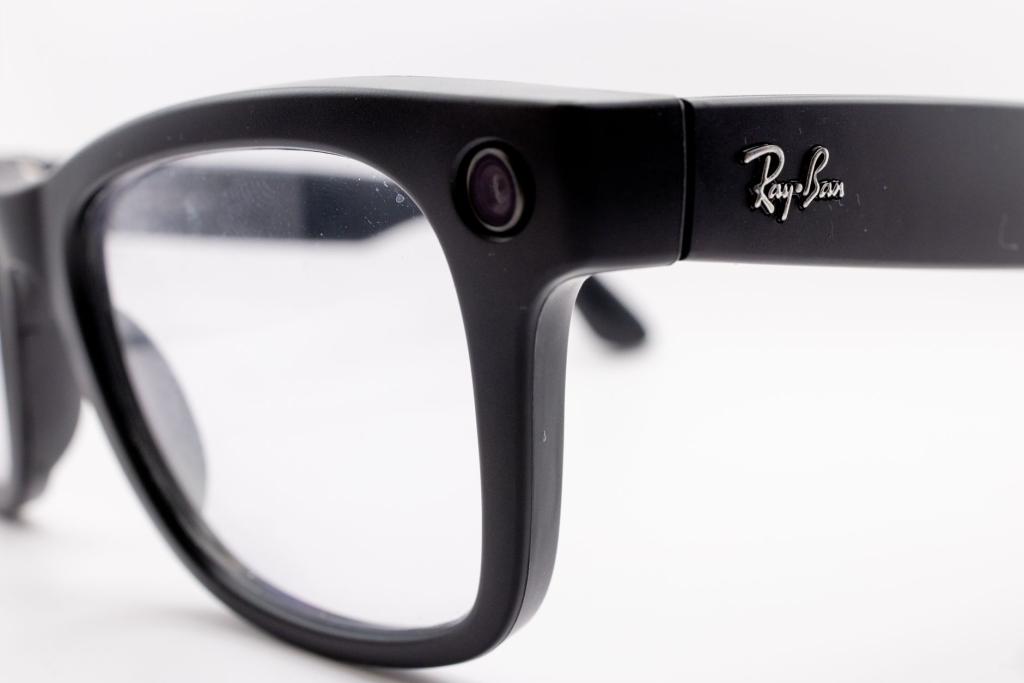
The AI wearables privacy debate just got a legal edge, and it could land on the person wearing the gadget. According to CNBC, always-listening devices from Apple, Amazon, Meta and a pile of startups are testing the limits of state wiretap laws in ways older smart speakers never did. If you have ever worn smart glasses to a bar, this one is about you.
Always On, Always Listening
This year has brought a wave of devices that quietly transcribe your day. Amazon's Bee Frontier wearable and the card-shaped Bee Eclipse arrived on Thursday, both built to record, transcribe and analyze what happens around you. Apple's Watch Series 12, unveiled in September, adds a feature called Siri Recap that "ambiently" takes notes and summarizes conversations, plus Live Rewind, which recaps fifteen seconds of talk as text.
Meta's camera glasses can already snap photos, shoot video and save voice notes. Startups like Plaud and Pocket make card-sized note takers, and Friend sells an AI necklace. The pitch is simple: never forget anything again.
One user CNBC spoke to, Pittsburgh livestreamer Chris Thomas, wears Meta glasses, a Fieldy pendant and an Amazon Bee wristband all at once. He calls himself forgetful and says the gear keeps his life organized. Not everyone loves it, though. A bystander at a local bar recently told him the glasses made them uncomfortable.
Why the Old Rules Do Not Fit
Earlier smart speakers waited for a wake word and sometimes sent audio to the cloud. Some of the new gadgets listen continuously, work out what was said, and keep a summary without keeping the audio itself. That raises a mostly untested question: can processing speech like that count as an unlawful interception?
Apple says its feature does not store audio, send recordings to its servers or use human review. Amazon says it does not store audio from Bee devices and that conversations are processed where nobody, including Amazon, can access the data, as described on Amazon's own announcement page. That sounds reassuring, but it may not settle the legal side.
Many state eavesdropping laws focus on whether a private communication was intercepted or its contents acquired, not on whether a normal audio file exists. Massachusetts, for example, defines an intercepting device broadly, and the contents of a communication can include its substance and meaning.
The Wearer Could Be the One Exposed
Colin Zick, a privacy attorney at Foley Hoag, told CNBC that Apple seems to have learned from the first round of voice assistant lawsuits. Even so, he argued a device that listens, interprets and summarizes speech could still fall inside some statutes. He also pointed out that a person in the conversation never bought the watch or agreed to Apple's terms.
Daniel Pi, a law professor at the University of New Hampshire's Franklin Pierce School of Law, believes his state's law is broad enough to cover the watch's new audio features. Under that reading, a user could face civil or criminal liability for using it during a private chat without everyone's consent. He stressed that prosecution is very unlikely when nobody is harmed.
That is the strange part. An ordinary person flips on a feature built into a mainstream device and may technically break the law, while the company that built it sits further back from the risk.
The Bystander Problem
Former CIA officer Michael Stokes, now at Veilant, says the real worry is that you can be surveilled without owning any of the technology. AI makes it cheap to pull meaning out of huge piles of incidental data, which used to take thousands of hours of human effort. In his words, "We no longer have these pockets of small privacy that we thought we did in the past."
Some founders see an opening. Aida Baradari of the startup Deveillance built a hockey puck-shaped gadget called the Spectre I that scans for nearby devices and sends adversarial signals to scramble speech before microphones can process it.
What This Means for You
For now, there is no clear answer, and the rules vary by state. Wearing or using these devices around friends is easier if you simply ask first. Thomas says he takes his glasses off completely when someone is uneasy, because people do not trust that a device is really off.
Expect lawsuits, new bills and a lot of awkward bar conversations. You can follow more of our tech coverage as this develops, and the big takeaway is already clear: the AI wearables privacy fight is not about the gadget alone, it is about everyone standing near it.
Comments 0
No comments yet. Be the first to share your thoughts!
Leave a comment
Share your thoughts. Your email will not be published.