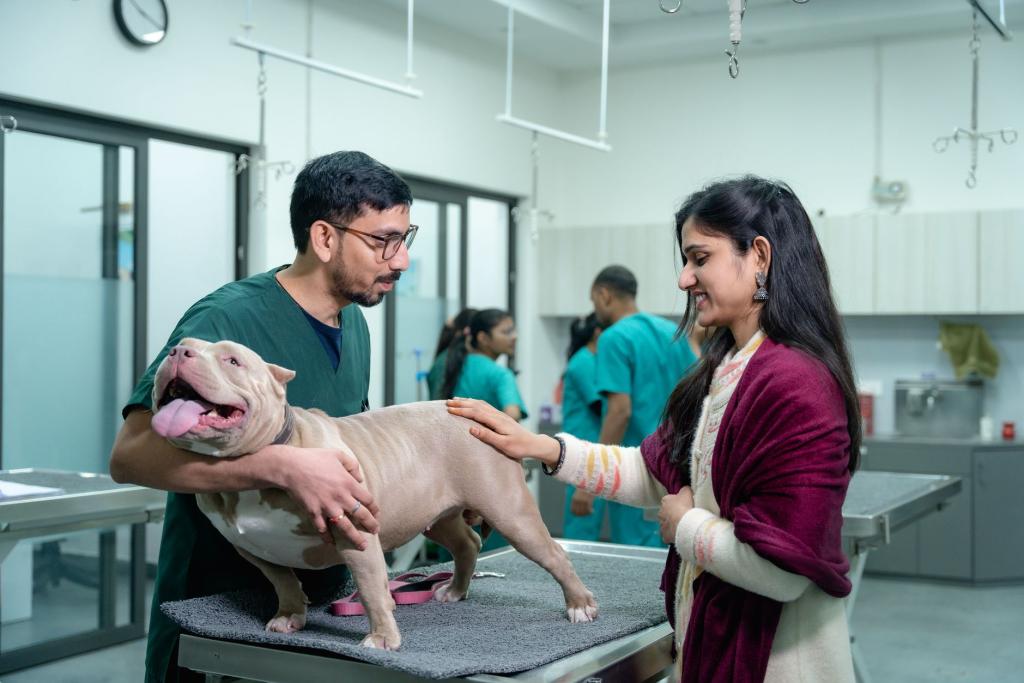
Pet Insurance just had its biggest year ever, and the headline number hides the part that actually hits your wallet. American pet insurers collected five point two billion dollars in premiums in 2025, up twenty point eight percent, according to the industry association's State of the Industry report, as analyzed by one industry outlet. But enrollment grew only nine percent, to about seven point six million insured pets across North America, which means the average premium is rising roughly twice as fast as the industry is adding customers.
That gap has a name, and it is the renewal letter. The average annual premium for accident-and-illness coverage for a dog climbed about twenty-two percent in four years, from six hundred thirteen dollars in 2020 to seven hundred forty-nine dollars in 2024, according to the same association's data. Cats fared better: their average premium rose only about five percent over the same stretch, from three hundred sixty-seven dollars to three hundred eighty-six. Age is the multiplier that stings most. An otherwise identical ten-year-old dog can cost three times as much to insure as a one-year-old, according to quote data from Insurify, and switching companies is rarely an escape hatch because most insurers will not cover a chronic condition the pet developed before the new policy began.
Why the vet bill keeps getting bigger
The premiums are chasing real costs. Veterinary services inflation has been running four point seven to five point six percent a year and is up roughly fifty-one percent over the last five to six years, substantially outpacing the broader consumer price index, according to federal labor data cited by Insurify. Americans are projected to spend one hundred sixty-five billion dollars on pet care in 2026, per the pet products trade group, and a vanishingly small share of that spending is insured: just four point two seven percent of American pets carry a policy, about five point nine nine percent of dogs and two point two nine percent of cats, the association reported.
The rate pressure is already showing up in state filings. Florida regulators cleared twelve pet insurance rate hikes averaging nine point two five percent in late 2025, with one carrier approved for a twenty-six percent overall increase, Rates Chaser reported. Canada tells a similar story at a smaller scale: its market hit a record six hundred sixty point five million Canadian dollars in premiums in 2025, but growth slowed to its weakest pace in five years and only about three point seven percent of the country's pets are insured, according to GlobalPETS. Pet Insurance is growing fastest where it is still rare, which is exactly when pricing power shifts to the insurer.
What young pet owners can actually do
Timing is the single biggest lever. Insuring a young, healthy animal locks in the lowest rate a policy will ever have, because every birthday after that reprices the risk. Before buying anything, check your benefits portal: thirty-six percent of American employers now offer voluntary pet insurance, up from twenty-three percent in 2023, according to a Gallagher employer-benefits survey, which makes the workplace one of the cheapest doors into coverage. Accident-only plans cost far less than full illness coverage and still protect against the five-figure emergencies, like a swallowed sock or a broken leg, that actually bankrupt people.
Read the exclusions like a contract, because it is one. Waiting periods, bilateral condition clauses, and annual payout caps decide whether a policy pays when it matters. Get quotes from at least three carriers and compare the lifetime cost, not just the first-year teaser rate: some companies advertise low introductory prices and then raise premiums sharply after a claim or as the pet ages, Insurify warned. And run the honest math on self-insuring. If your cat is young, healthy, and cheap to cover, a dedicated savings account you feed monthly can beat years of premiums you never claim, which is presumably what the ninety-five percent of uninsured pet owners are already doing.
None of this means the boom is a scam. A single emergency surgery can cost more than a decade of premiums, and for a young owner with thin savings, that is precisely the risk insurance exists for. But the industry's own numbers tell the story plainly: the money is growing faster than the membership. As with human health insurance, the question is not whether you need protection, it is whether the price still matches the risk. Households already stretching every dollar, as we covered in Gen Z's no-buy era, can treat the premium like any other subscription: worth it when it earns its keep, and worth renegotiating when it does not.
Comments 0
No comments yet. Be the first to share your thoughts!
Leave a comment
Share your thoughts. Your email will not be published.