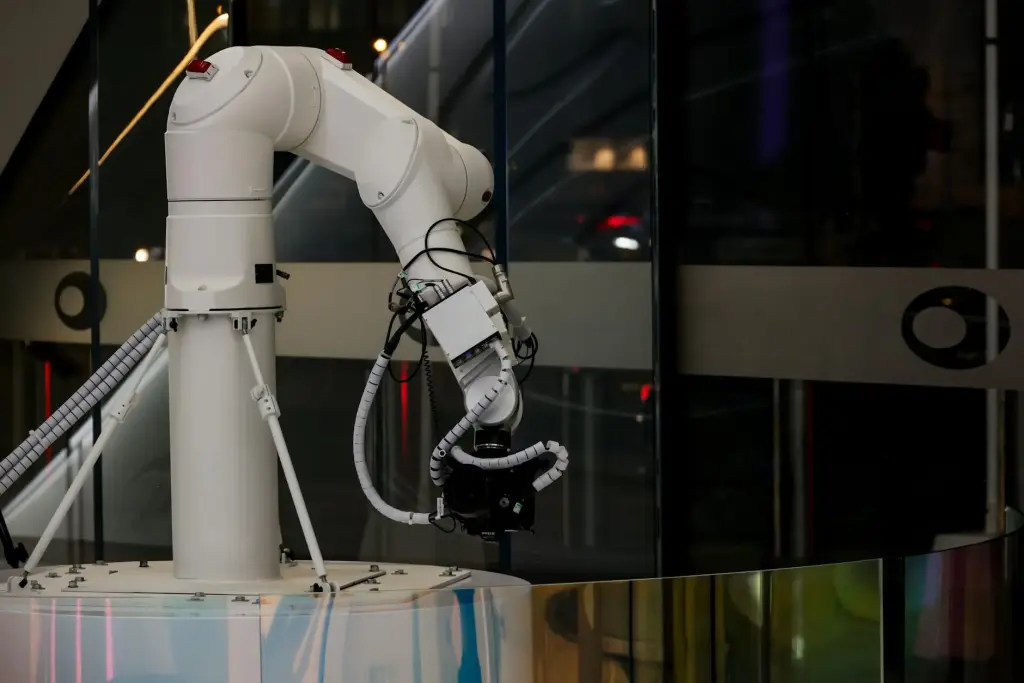
AI technology adoption is accelerating across global industries as companies embrace artificial intelligence to transform their operations and competitive positioning in the modern economy. From manufacturing and healthcare to finance and retail, AI technology adoption is reshaping how businesses operate, make decisions, and serve customers in fundamental ways that were unimaginable just a few years ago. The pace of AI technology adoption has increased dramatically in recent months as organizations recognize the competitive advantages AI can provide.
Recent developments have highlighted the growing importance of AI technology adoption across multiple sectors of the global economy. Broadcom's CEO recently projected that the AI market could reach $100 billion, reflecting explosive growth in demand for AI technology adoption solutions across industries worldwide. Major technology companies are investing billions in AI technology adoption research and development, while traditional industries race to adopt AI technology adoption tools that improve efficiency and competitiveness.
The impact of AI technology adoption extends beyond individual companies to entire supply chains and economic ecosystems around the world. AI technology adoption is enabling new business models, creating new job categories, and transforming how work gets done across the global economy. As AI technology adoption becomes more sophisticated and accessible, applications are expanding from routine tasks to complex decision-making processes that previously required human judgment and expertise.
AI Technology Adoption in Manufacturing and Healthcare
In manufacturing, AI technology adoption is driving what some experts call the fourth industrial revolution, combining robotics, sensors, and AI technology adoption analytics to create smart factories that can operate with minimal human intervention and maximum efficiency. AI technology adoption systems monitor equipment performance, predict maintenance needs, optimize production schedules, and ensure quality control with unprecedented precision through AI technology adoption across the manufacturing process.
Healthcare represents another sector where AI technology adoption is making significant inroads transforming patient care and medical research worldwide. AI technology adoption applications in healthcare range from diagnostic imaging analysis to drug discovery and personalized treatment recommendations through AI technology adoption tools that augment clinical decision-making. Medical professionals increasingly rely on AI technology adoption to make more accurate diagnoses and develop effective treatment plans for patients.
According to CNBC, the AI technology adoption revolution creates both opportunities and challenges for workers and businesses across all sectors of the economy. While AI technology adoption eliminates some jobs through automation, it also creates new roles requiring workers to develop new skills to work alongside AI technology adoption systems effectively in modern workplaces embracing technological change.
Future Investment Trends in AI Technology Adoption
Investment in AI technology adoption continues to surge as companies and governments recognize its strategic importance for future competitiveness in the global economy. Venture capital funding for AI technology adoption startups has reached record levels, while established companies acquire AI technology adoption companies and build internal AI technology adoption capabilities at unprecedented pace. The race for AI technology adoption leadership is intensifying among nations and corporations.
China's technology leaders have advocated for accelerated AI technology adoption across Chinese industry through major policy proposals at the Two Sessions political meetings. Their proposals focus on removing barriers to AI technology adoption deployment while providing policy support for companies investing in AI technology adoption nationwide. The push reflects strategic importance placed on AI technology adoption for economic development and global competitiveness.
The AI technology adoption transformation also raises important questions about workforce development, privacy, and ethical considerations that must be addressed as AI technology adoption accelerates across all sectors. Policymakers worldwide grapple with how to regulate AI technology adoption to maximize benefits while minimizing potential harms from rapid AI technology adoption across all sectors of the global economy and workforce.
Industry analysts predict that AI technology adoption will continue to accelerate in coming years as costs decrease, capabilities improve, and successful use cases demonstrate the value of AI technology adoption across diverse applications and industries worldwide. Organizations that fail to embrace AI technology adoption risk falling behind competitors who leverage artificial intelligence for competitive advantage.
Comments 0
No comments yet. Be the first to share your thoughts!
Leave a comment
Share your thoughts. Your email will not be published.