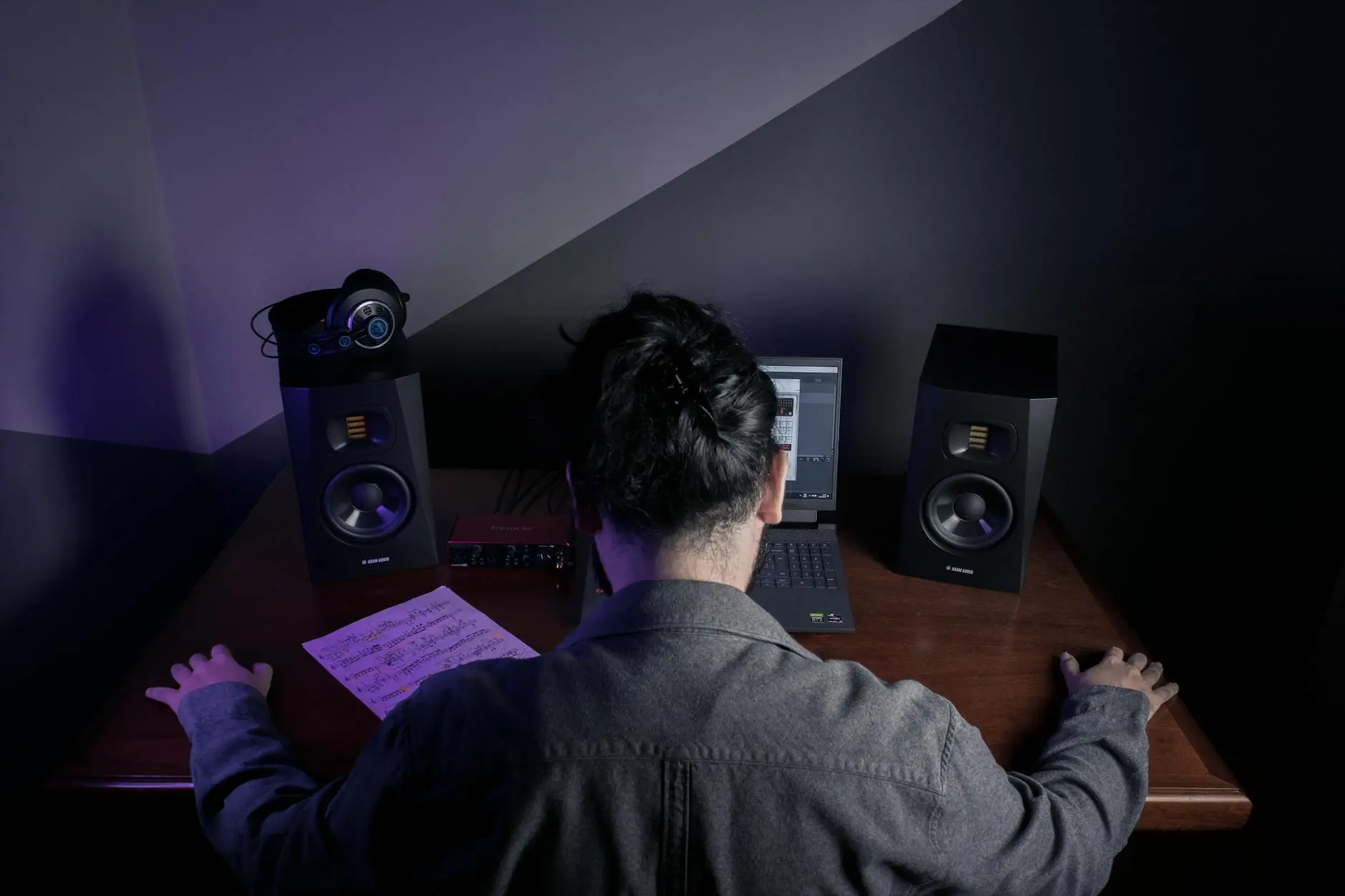
The AI music generator market has exploded with 6,700% growth in 2026 according to Exploding Topics, democratizing music creation for millions. An AI music generator analyzes millions of songs to learn patterns, melodies, harmonies, and structures, then creates original compositions in seconds based on simple text prompts or style preferences. Whether you're a content creator needing background music, a marketer producing ads, or simply exploring musical creativity without years of training, these tools have transformed who can make professional-quality music.
How AI Music Generator Technology Works
Modern AI music generator platforms use deep learning models trained on vast libraries of licensed music across every genre. When you input a prompt like 'upbeat electronic dance music with piano' or 'lo-fi hip hop for studying,' the AI music generator analyzes tempo, key signatures, chord progressions, instrument choices, and arrangement patterns from thousands of similar tracks. Advanced models like those powering Suno, Udio, and Soundraw generate vocals, lyrics, multiple instruments, and proper song structure including intro, verse, chorus, and outro sections. The technology has progressed from simple MIDI loops to producing broadcast-quality tracks with realistic instrument sounds and even AI-generated singing voices that sound remarkably human.
Best AI Music Generator Platforms in 2026
Suno leads the consumer market, creating full songs with vocals and lyrics from text prompts in under 30 seconds. Users describe desired mood, genre, and theme, and Suno's AI music generator produces radio-ready tracks complete with verse-chorus structure and professional mixing. Udio specializes in genre-specific generation, offering exceptional quality for electronic, hip-hop, and pop styles with fine control over tempo and instrumentation. Soundraw provides royalty-free commercial licensing, making it popular with YouTubers and podcasters who need original background music without copyright concerns. Adobe's Project Music GenAI Control integrates with Creative Cloud, letting video editors generate custom-length soundtracks that match scene timing perfectly. According to U.S. Copyright Office guidance, AI-generated music requires human creative input for copyright protection, influencing how platforms structure their editing capabilities. AIVA specializes in orchestral and cinematic compositions, used by game developers and film producers for scoring. Boomy focuses on monetization, with over 14 million user-created tracks distributed to Spotify, Apple Music, and other streaming platforms, though recent platform policies have created challenges around AI-generated content flooding services.
Practical Uses for AI Music Generator Tools
Content creators represent the largest user base, generating unique background music for YouTube videos, podcasts, Instagram Reels, and TikTok posts without licensing fees or copyright strikes. An AI music generator solves the perpetual problem of finding affordable, high-quality music that matches content tone and length. Advertisers use these tools to create brand-specific jingles and commercial soundtracks at a fraction of traditional production costs. Independent game developers generate adaptive soundtracks that change based on gameplay without hiring composers. Fitness instructors create custom workout playlists with specific BPM ranges for different exercise intensities. Music educators use AI music generator platforms to demonstrate music theory concepts, letting students hear how changing chord progressions or tempo affects emotional impact. Even professional musicians use these tools for ideation, generating rough demos to develop further or exploring genre combinations they haven't tried before.
Legal and Ethical Considerations
Copyright remains the most significant challenge facing AI music generator adoption. Training data often includes copyrighted works, leading to lawsuits from record labels and artists claiming unauthorized use. Some platforms like Soundraw train exclusively on original compositions or licensed libraries to avoid legal issues. The debate over whether AI-generated music constitutes original work or derivative content continues evolving as courts address these novel questions. Major streaming platforms have begun removing AI-generated tracks that flood services with low-quality content or attempt to game algorithmic recommendations. Musicians worry about job displacement as brands choose AI music generator tools over hiring human composers, though others argue these tools democratize creativity rather than replace artistry. The consensus emerging suggests AI serves best as a collaborative tool enhancing human creativity rather than replacing it entirely.
Getting Started with AI Music Creation
Most AI music generator platforms offer free tiers with limited generations to test capabilities before committing to subscriptions. Start by experimenting with prompts describing mood, genre, tempo, and instruments. Be specific: 'energetic rock with electric guitar and drums at 140 BPM' yields better results than just 'rock music.' Many platforms let you refine generations by adjusting sections, changing instruments, or regenerating specific parts while keeping others. Export options typically include MP3, WAV, and MIDI formats, with higher-tier plans offering stems (separated instrument tracks) for professional mixing. Understanding basic music terminology helps craft better prompts, but platforms increasingly use plain language interfaces requiring no musical knowledge. As technology improves, expect even more realistic vocals, better long-form composition, and finer creative control over every musical element. For more on AI tools transforming creative industries, explore GenZ NewZ AI coverage.
The AI music generator revolution has just begun, with tools becoming more sophisticated monthly. Whether you need background music, want to explore musical ideas, or simply enjoy creating, these platforms offer unprecedented creative possibilities. The barrier to music creation has never been lower, and the results have never sounded better. For the latest technology trends and innovations, visit GenZ NewZ.
Comments 0
No comments yet. Be the first to share your thoughts!
Leave a comment
Share your thoughts. Your email will not be published.