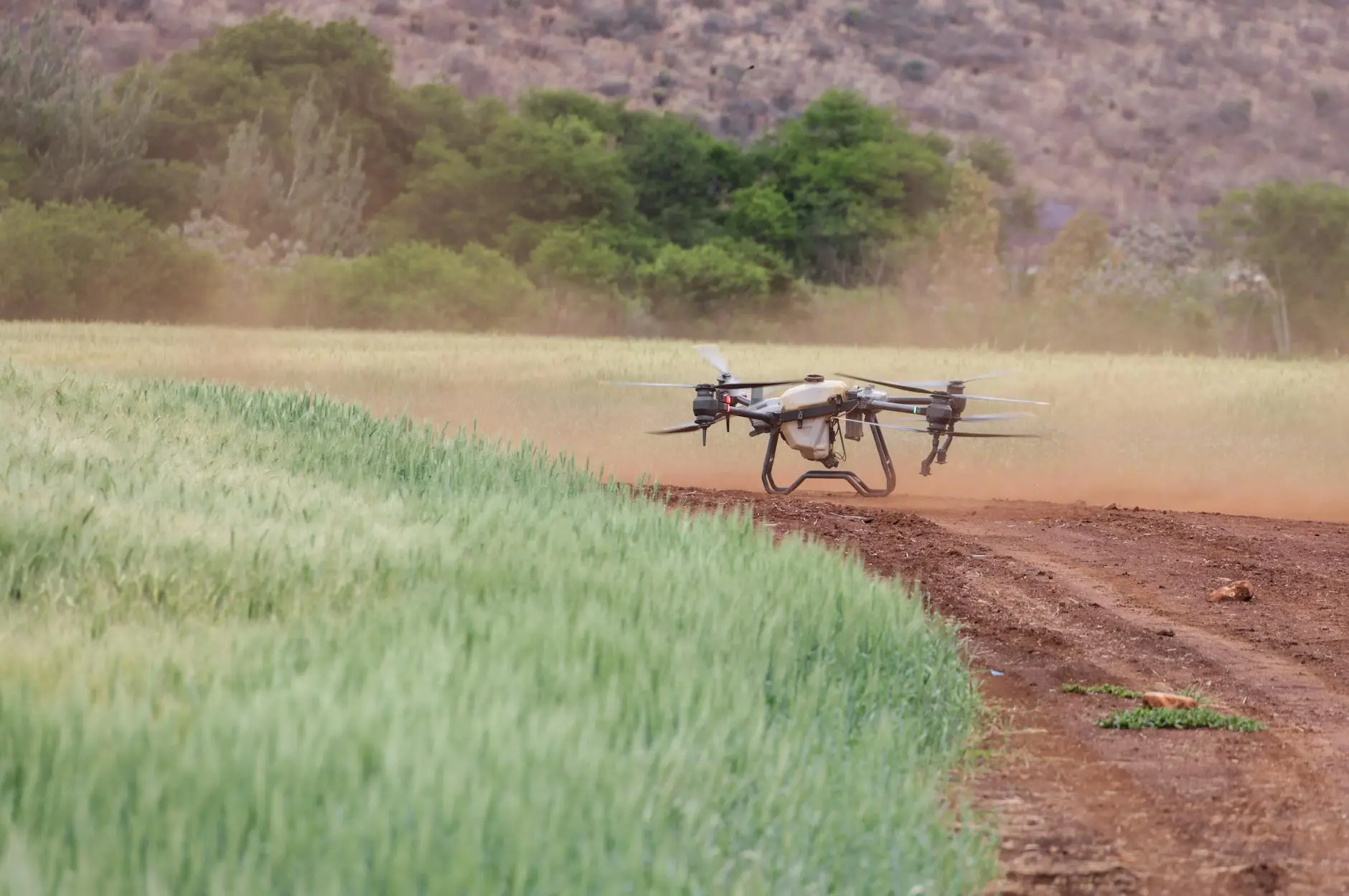
The agricultural industry is experiencing a technological renaissance as AI agriculture transforms traditional farming into a sophisticated, data-driven enterprise. From autonomous tractors to AI-powered crop monitoring, smart farming technologies are revolutionizing how we produce food and address global food security challenges. This technological shift represents one of the most significant developments in agriculture since the green revolution of the mid-20th century.
The Rise of Precision Farming
Precision farming has emerged as one of the most promising applications of AI agriculture. This approach utilizes GPS technology, sensors, and machine learning algorithms to optimize field-level management of crops. Farmers can now monitor soil conditions, moisture levels, and nutrient content in real-time, allowing them to make data-driven decisions about planting, irrigation, and fertilization. The result is not only higher crop yields but also a significant reduction in resource consumption and environmental impact.
Machine learning models analyze vast amounts of historical and real-time data to predict optimal planting times, identify pest threats before they become infestations, and determine the precise amount of water or fertilizer each section of a field needs. According to recent market analysis published on OpenPR, the global AI in agriculture market is experiencing significant growth due to rapid technological advancements and increasing adoption of smart farming solutions. You can learn more about these market trends at https://www.openpr.com/news/4427323/ai-in-agriculture-market-size-trends-growth-and-forecast.
Robotics and Autonomous Systems
The integration of robotics in agriculture represents another frontier where AI agriculture is making substantial contributions. Autonomous tractors and harvesting robots can operate around the clock, dramatically increasing efficiency and addressing labor shortages that plague the agricultural sector. These machines use computer vision and machine learning to navigate fields, identify ripe produce, and perform delicate harvesting operations that previously required human dexterity.
Drone technology has also become an essential tool in the modern farmer's arsenal. Agricultural drones equipped with multispectral cameras can survey vast tracts of land, identifying areas of stress, disease, or water deficiency that would be invisible to the naked eye. This bird's-eye view enables farmers to intervene precisely where needed, treating specific problem areas rather than applying blanket solutions across entire fields.
AI-powered robotic weed control systems use advanced image recognition to distinguish between crops and unwanted plants, eliminating weeds with pinpoint accuracy. This targeted approach reduces the need for chemical herbicides, promoting more sustainable and environmentally friendly farming practices. The technology is particularly valuable in organic farming, where synthetic weed control methods are limited.
Predictive Analytics and Climate Adaptation
Climate change poses unprecedented challenges to global agriculture, with shifting weather patterns, extreme events, and evolving pest pressures threatening traditional farming practices. AI-powered predictive analytics offers farmers the tools to adapt to these changing conditions by providing accurate weather forecasts, climate modeling, and crop simulation capabilities.
Machine learning algorithms analyze historical weather data alongside current conditions to generate highly accurate long-term forecasts. These predictions help farmers make critical decisions about crop selection, planting schedules, and harvest timing. Additionally, AI models can simulate how different crop varieties might perform under various climate scenarios, guiding breeders and farmers in developing resilient agricultural systems.
The integration of AI in agricultural supply chains also improves efficiency from farm to table. Predictive demand forecasting reduces food waste by matching production more closely with market needs. Cold chain logistics optimized by AI ensure that perishable goods reach consumers in optimal condition, reducing losses and improving food safety.
Challenges and Future Outlook
Despite the tremendous potential of AI agriculture, significant challenges remain. The initial investment in smart farming technologies can be prohibitively expensive for small and medium-sized farms. Additionally, the digital divide between developed and developing regions means that the benefits of agricultural AI are not evenly distributed across the globe.
Data privacy and ownership concerns also require careful consideration as farms become increasingly connected and data-driven. Questions about who owns the data collected by sensors and AI systems, and how that data might be used or shared, need clear answers to build trust among farmers.
Looking ahead, the continued evolution of AI agriculture promises even more transformative possibilities. As computing power increases and algorithms become more sophisticated, farmers will gain access to increasingly powerful tools for sustainable food production. The combination of AI with other emerging technologies like 5G connectivity, edge computing, and biotechnology will create new opportunities to address the global challenge of feeding a growing population while protecting our planet's resources.
Comments 798
Leave a comment
Share your thoughts. Your email will not be published.