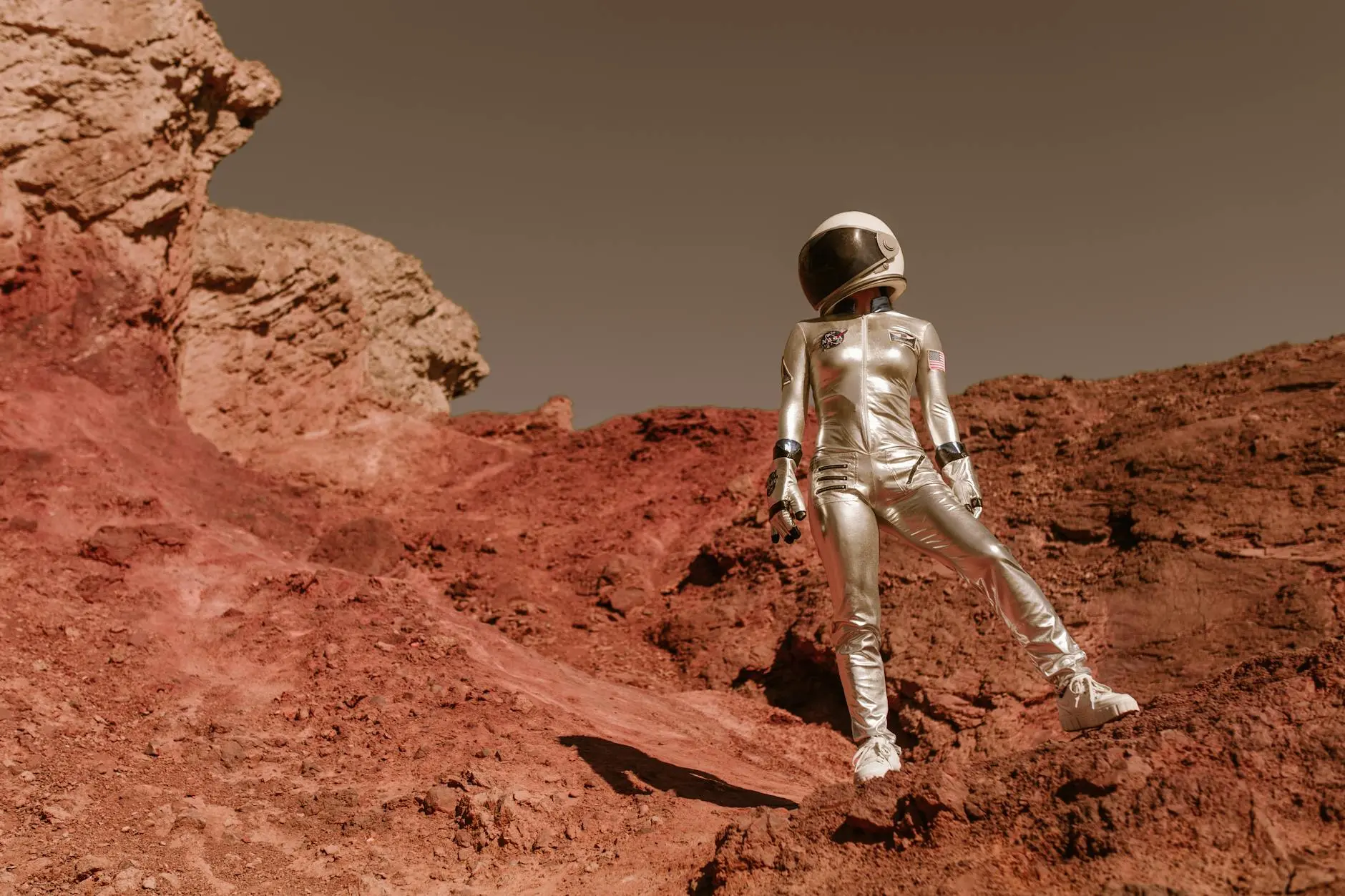
NASA has announced a historic Mars discovery that has sent shockwaves through the scientific community. The Curiosity rover, continuing its decade-long mission on the Red Planet, has found pure elemental sulfur embedded in a rock within the Gediz Vallis Channel. This unprecedented Mars discovery marks one of the most significant scientific findings in planetary exploration history and promises to revolutionize our understanding of the planet's geological past.
The Gediz Vallis Channel has long fascinated scientists studying Mars. This ancient river channel, carved by flowing water billions of years ago, provides a unique window into the planet's wet history. When researchers directed Curiosity to drill into a seemingly ordinary rock, they never anticipated the remarkable outcome that followed. The rover's instruments detected pure sulfur, a finding that challenges everything scientists thought they knew about Martian geochemistry. According to reporting by NASA, this discovery was made completely by accident as the rover performed routine drilling operations in the region.
Understanding the Mars Discovery
According to reports from NASA's Jet Propulsion Laboratory, the discovery of pure sulfur on Mars represents a completely unexpected result. Unlike the sulfate minerals commonly found across the Martian surface, this elemental sulfur exists in its purest form. Scientists are now investigating how this element could have formed under natural Martian conditions, with volcanic activity and unique geological processes being primary areas of focus. The Gediz Vallis Channel, where the discovery occurred, has proven to be one of the most scientifically valuable locations explored by any rover on Mars.
The implications of this Mars discovery extend far beyond simple chemistry. Sulfur is an essential building block for life as scientists understand it, playing critical roles in protein structure and cellular metabolism. This finding suggests that the chemical precursors necessary for life may have been present on Mars during its ancient watery past. Researchers are eager to continue analyzing the Gediz Vallis Channel region for additional clues about the planet's potential habitability. More information about this discovery is available through NASA Science.
The elemental sulfur was confirmed through multiple independent analysis methods conducted by Curiosity's chemistry suite. This verification eliminates any possibility of contamination from Earth-based sources. The sulfur formed through natural Martian processes, though the exact mechanism remains a subject of ongoing research and debate among planetary scientists. Some researchers hypothesize that volcanic activity may have played a role in creating this unusual deposit.
Scientific Implications and Future Research
The Curiosity rover has exceeded all expectations throughout its extended mission. According to NASA scientists, this latest Mars discovery demonstrates the immense value of continued planetary exploration. The Gediz Vallis Channel region continues to reveal evidence of a once-dynamic Martian environment with flowing water and active geological processes. Each new finding adds another piece to the complex puzzle of Mars' evolutionary history. Scientists continue to analyze data from the rover to understand the full implications of this groundbreaking finding.
Future missions will build upon this foundation of discovery. NASA's ambitious sample return program aims to bring Martian rocks back to Earth for detailed laboratory analysis. The pure sulfur samples could prove invaluable in understanding the chemical processes that shaped the Red Planet. Additionally, the discovery provides crucial data for planning eventual human missions to Mars. The presence of elemental sulfur could also influence decisions about potential landing sites for future exploration missions.
As the scientific community processes this remarkable Mars discovery, one thing remains clear: our neighboring planet continues to hold countless secrets waiting to be uncovered. The Curiosity rover, a testament to human engineering and scientific curiosity, proves that even seemingly ordinary rocks can contain extraordinary revelations about the history of our solar system. Each passing day brings new opportunities for discovery as the rover continues its tireless journey across the Martian landscape.
The Mars discovery of pure sulfur joins a growing list of remarkable findings that have transformed our understanding of the Red Planet. From evidence of ancient riverbeds to indications of complex organic molecules, Mars continues to surprise and delight scientists around the world. This latest breakthrough underscores the importance of continued investment in planetary science and robotic exploration of our solar system.
Comments 0
No comments yet. Be the first to share your thoughts!
Leave a comment
Share your thoughts. Your email will not be published.