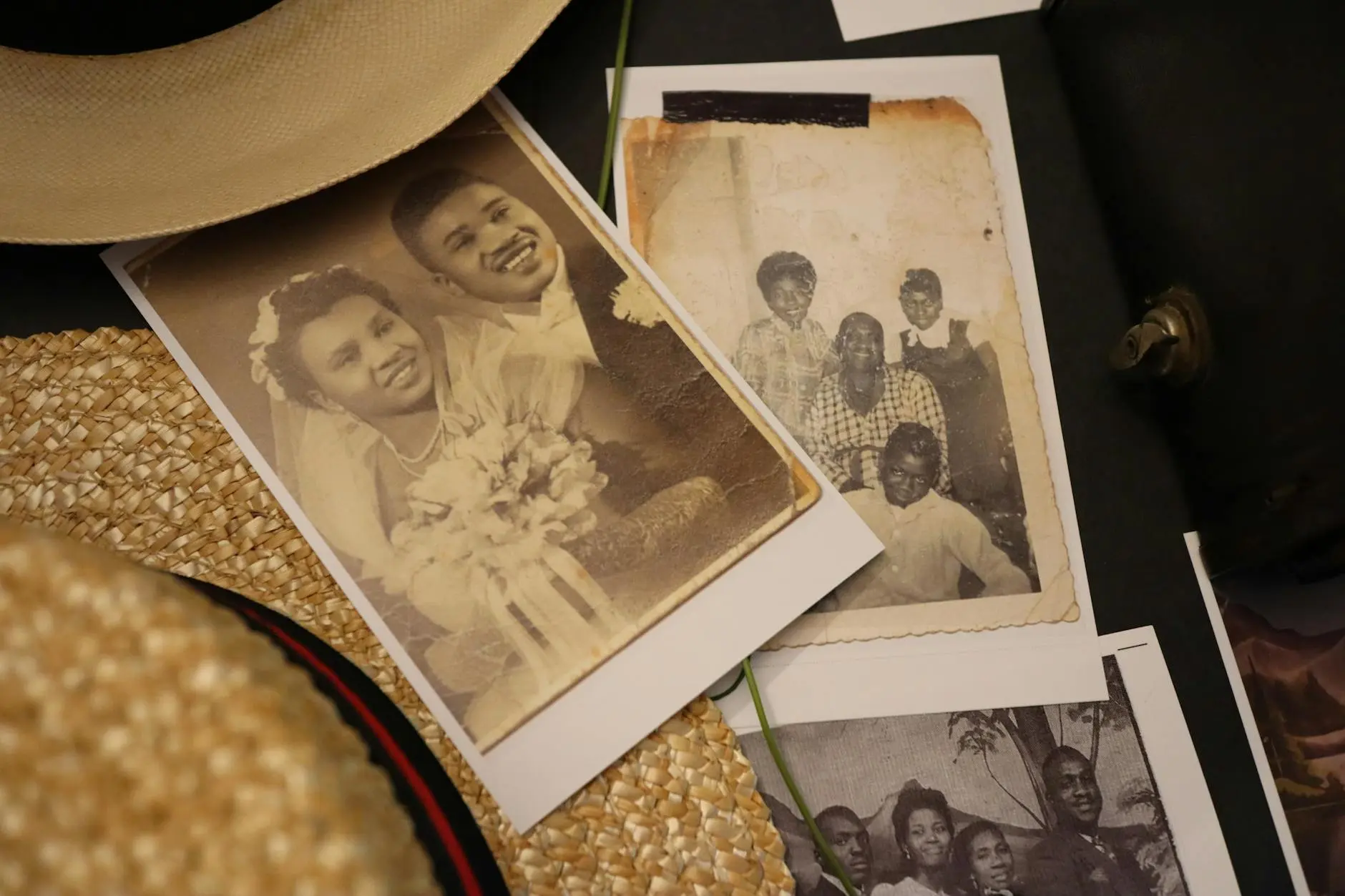
Zendaya AI wedding photos have become a viral sensation, and the actress is now responding to the controversy. During an appearance on Jimmy Kimmel, Zendaya addressed the viral AI-generated wedding photos that recently circulated online, clarifying that "many people have been fooled" by the deepfake images. The photorealistic AI images depicting her and Tom Holland at a wedding deceived even those closest to her. This incident highlights the growing concern around AI-generated content and its potential to spread misinformation among celebrity fans worldwide.
The AI wedding photos first began circulating on social media in recent weeks, showing what appeared to be Zendaya and Holland at an elaborate wedding ceremony. According to The Hollywood Reporter, the images were so convincing that many people close to the couple actually believed the wedding had taken place. Some were reportedly upset because they thought they hadn't been invited to the event. This situation exemplifies how far AI image generation technology has come and the challenges it poses for distinguishing fact from fiction in the digital age.
The Rise of Deepfake Technology in Celebrity Culture
Deepfake technology has advanced rapidly in recent years, making it increasingly difficult for the average person to distinguish between real photographs and AI-generated images. What was once a niche technology used primarily for entertainment has become a significant source of potential misinformation. Celebrities like Zendaya are particularly vulnerable to these fabrications, as their images are widely available online for AI systems to learn from and replicate. The implications for privacy and personal reputation are profound.
As noted by entertainment news sources covering the Zendaya AI wedding photos phenomenon, this isn't the first time AI has been used to create fake content featuring celebrities. However, this incident represents a concerning escalation in both the realism of deepfakes and their viral reach. The images spread rapidly across social media platforms, with many fans initially believing they were seeing genuine photographs of the couple. This highlights the urgent need for digital literacy among social media users in an era of increasingly sophisticated AI tools.
Industry Response and Future Implications
The entertainment industry has taken note of these developments, with many calling for stronger regulations around AI-generated content. Studios and talent agencies are increasingly concerned about the potential for AI to be used for malicious purposes, including defamation, fraud, and the spread of misinformation. Several high-profile cases have already emerged involving AI-generated content that has caused real harm to individuals' reputations and mental well-being. The Zendaya AI wedding photos incident adds to this growing list of concerns.
Zendaya's public response to the situation was measured but pointed. Rather than expressing anger, she used the opportunity to highlight how convincing AI-generated content has become. Her comment that "many people have been fooled" serves as both a statement of fact and a warning about the technology's capabilities. The actress has not confirmed whether she and Holland have actually married, maintaining privacy on that aspect of her personal life despite the speculation surrounding the fake wedding images.
This incident comes at a time when Hollywood is grappling with broader questions about AI's role in entertainment. As reported by various news outlets, labor negotiations have included provisions addressing AI's use in content creation. The tension between embracing technological innovation and protecting artists from exploitation remains unresolved. The Zendaya AI wedding photos situation adds another dimension to these ongoing conversations about technology and privacy in the digital age.
For fans and social media users, the episode serves as a reminder to approach online content with skepticism, especially when it involves shocking or surprising claims about public figures. Verifying information through trusted sources before sharing has become essential in an era where AI can create increasingly convincing fabrications. The line between reality and simulation continues to blur, challenging both individuals and institutions to adapt to a world where seeing is no longer believing. Digital literacy education has never been more important than it is today.
Comments 0
No comments yet. Be the first to share your thoughts!
Leave a comment
Share your thoughts. Your email will not be published.