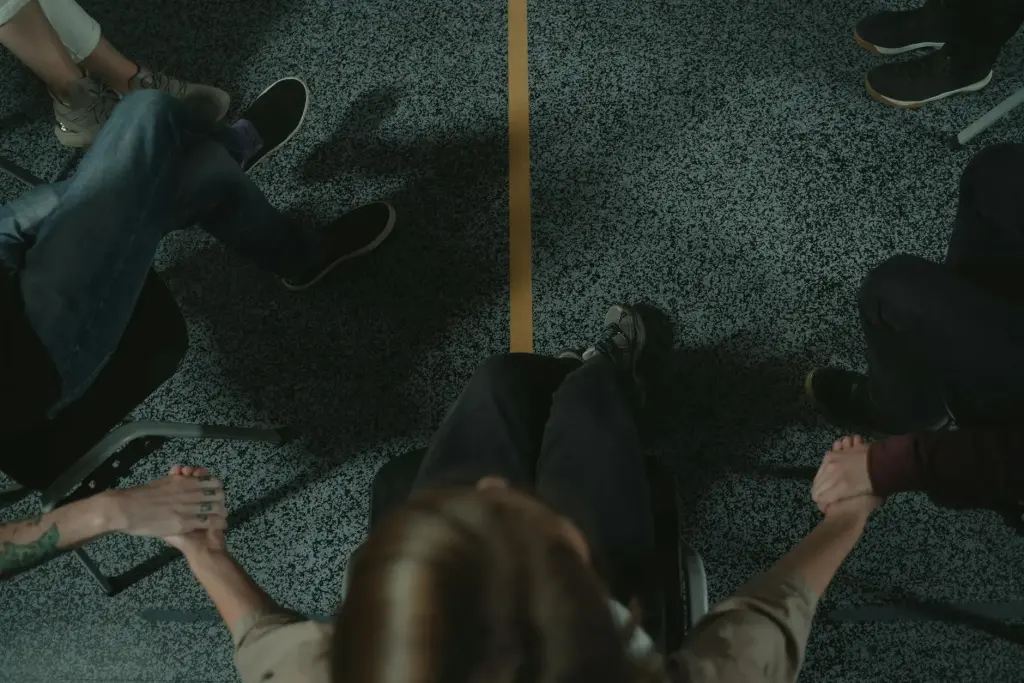
Youth mental health isn't just a trending topic on TikTok — it's a real crisis affecting millions of young people right now. According to the World Health Organization, 1 in 7 teenagers worldwide experiences a mental health condition, and rates of anxiety and depression have skyrocketed since the pandemic. But here's the thing: Gen Z isn't staying quiet about it anymore.
Why Youth Mental Health Is At a Breaking Point
The pressure on today's young people is honestly insane. Social media comparison culture, academic stress, climate anxiety, economic uncertainty — it all adds up. Studies show that teens who spend more than 3 hours on social media daily are significantly more likely to report poor mental health issues. The constant scroll through curated highlight reels leaves many feeling like they're not measuring up to impossible standards. The WHO reports that mental health conditions now account for 16% of the global burden of disease and injury among adolescents.
But it's not just social media to blame for the youth mental health crisis. The cost-of-living crisis means many Gen Zers are worried about their futures — will they be able to afford housing? Will they ever be able to retire? These aren't your typical teenage worries, but they're the reality for a generation that's grown up during multiple global crises. According to a recent study by the American Psychological Association, climate anxiety and economic stress are top concerns for Gen Z. Related: Life Hacks for Managing Stress
How Gen Z Is Taking Control of Their Mental Health
Here's where it gets interesting. Rather than suffering in silence like previous generations might have, Gen Z is getting loud about their mental health. Therapy sessions are up 25% among people under 25, reported by nearly every major mental health provider. Young people are normalizing conversations that used to be taboo when it comes to youth mental health. The National Institute of Mental Health provides extensive resources for young people seeking help.
We're seeing a massive shift in how Gen Z approaches self-care and youth mental health. It's not just about bubble baths and face masks — it's about boundaries. Setting limits with work, taking mental health days without guilt, and being unapologetic about needing breaks. The conversation has moved from "just deal with it" to "actually, I need support" for youth mental health. This represents a fundamental change in how young people view seeking help.
Technology is also playing a huge role in youth mental health support. Mental health apps, online therapy platforms, and peer support communities are making help more accessible than ever. Gen Z is meeting each other where they are — online, anonymous when needed, and judgment-free. The CDC has recognized the importance of digital mental health resources for young people. Related: Best Mental Health Apps for Gen Z
What Needs to Change for Youth Mental Health
Despite all the progress, there's still a massive gap between needing help and getting it. According to the CDC, nearly 60% of young people with major depression never receive the treatment they need for their youth mental health. Stigma is still a problem, especially in communities of color and LGBTQ+ youth who face additional barriers to care. The Trevor Project's 2024 survey found that LGBTQ+ youth are more than twice as likely to experience depression and anxiety.
Schools need to step up big time for youth mental health. Mental health education should be as standard as math and English. We need more counselors, more resources, and more understanding from the adults in charge. Gen Z is asking for systems that actually support them, not just performative wellness Wednesdays. Research from the Journal of School Psychology shows that schools with comprehensive mental health programs see significant improvements in student outcomes. Related: Student Voices on Mental Health
Where to Get Youth Mental Health Help Right Now
If you're struggling with youth mental health issues, you're not alone — and there's actually a lot of support available. Crisis Text Line (text HOME to 741741) offers 24/7 support for young people in the US. The Trevor Project provides crisis intervention and suicide prevention services to LGBTQ+ youth. For international resources, the WHO's Mental Health Atlas has compiled global mental health services.
Finding a therapist can feel overwhelming for youth mental health, but it doesn't have to be. Many therapists offer sliding scale fees, and platforms like BetterHelp and Talkspace make therapy more affordable and accessible. According to Psychology Today, there are over 100,000 therapists listed who specialize in working with young adults. Start small if you need to — talking to a trusted friend, journaling, or just acknowledging that you're not okay with your youth mental health is already a huge step. Remember, seeking help is a sign of strength, not weakness.
Comments 0
No comments yet. Be the first to share your thoughts!
Leave a comment
Share your thoughts. Your email will not be published.