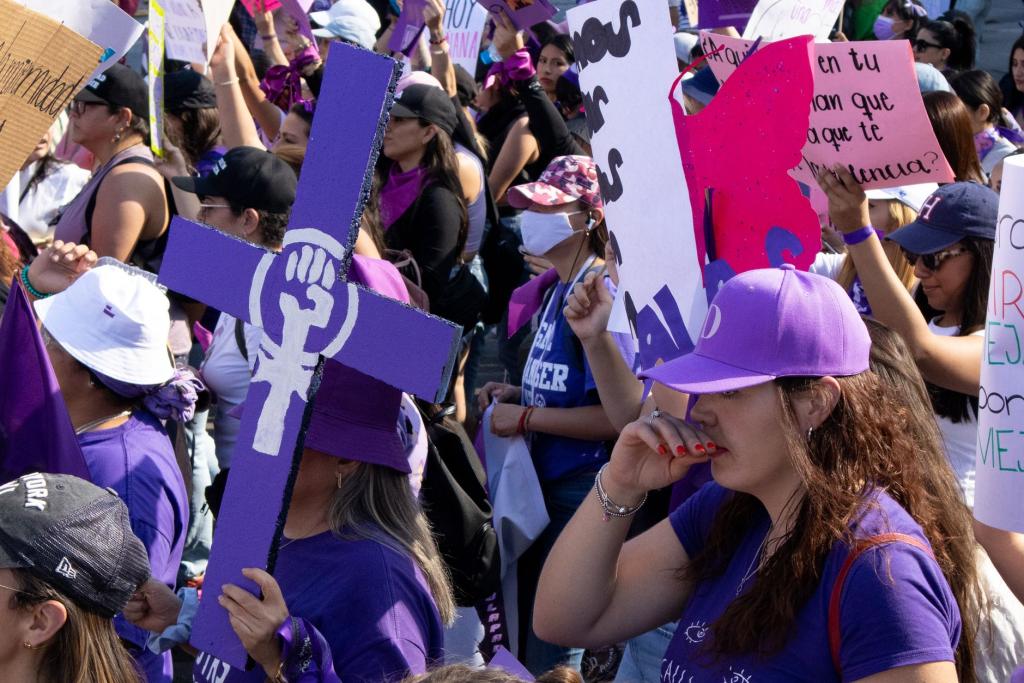
The Women Tribunal Brussels opened on Monday in the Belgian capital, according to reporting by ANF English, gathering hundreds of women in a feminist tribunal that confronts gendered violence and state impunity head-on. The multi-day event, which opened at the Université Libre de Bruxelles before moving to Antwerp later this week, builds on five decades of international tribunals addressing crimes against women. Rather than staging a purely symbolic gathering, the Women Tribunal Brussels creates a political platform where survivors' testimonies, collective analysis and concrete demands take center stage.
A feminist platform against structural violence
The tribunal is organized by a broad network of civil society organizations, including the Kurdish Women's Movement in Europe, known as TJK-E, and the Jineolojî Committee, and is supported by eight organizations including the 2026women initiative, Madam Fortuna and the Arenberg Theater, ANF reported. Under the title "Reclaiming (Feminist) Justice," several panels at the opening focused on strategies against violence toward women as well as feminist approaches to justice. Another key theme is the political dimension of justice: under the title "Symbolic Justice and Political Resistance," discussions addressed how feminist movements respond to systematic violence and develop their own forms of justice. The Women Tribunal Brussels, the organizers said, refuses to treat the violence women face as a series of isolated incidents, insisting instead on naming the structural patterns behind it.
At the heart of the tribunal is a stark critique of official institutions. The event rejects a merely symbolic role, presenting an alternative to state institutions that often fail to prosecute violence against women or are themselves part of these structures of violence, according to the organizers. Survivor testimonies form the core of the proceedings, alongside collective analyses and political demands addressed to governments and courts that the participants say have repeatedly failed them.
A week of testimony, art and resistance
After the Brussels opening, the program moves to Antwerp, where it begins on Thursday with a staged music and theater performance by the Women Collective, directed by Alix Konadu and involving forty women from various European cities. On Friday, an extensive program of workshops, artistic contributions, film screenings and discussion panels will take place at the Arenberg Theater. Kurdish women will actively participate in the program: TJK-E and the Jineolojî Committee are organizing a workshop titled "Unmasking the mythology of patriarchy" and will present their work, ANF reported. The Women Tribunal Brussels is drawing participants from across Europe and beyond, including the DACH network against femicide, which is active in Germany, Austria and Switzerland, and the Mexican collective Colectiva Hilos.
The final day on Saturday will focus on collective testimonies. Around five hundred women are expected to gather at fifty tables to share their experiences of violence and jointly develop perspectives for resistance and change. An evening cultural program is also firmly planned, which will address the women's revolution in Rojava. TJK-E has especially called on Kurdish women living in Belgium to take an active part in the tribunal and contribute their experiences, perspectives and struggles, according to ANF.
Why the Women Tribunal Brussels matters
International women's tribunals have a long history of turning private pain into public evidence, from the first such gatherings in the nineteen-seventies to the tribunals on wartime sexual violence that helped reshape international law. The Women Tribunal Brussels carries that legacy into a moment when feminist movements are under pressure worldwide, from rollbacks of reproductive rights to the criminalization of protest and the silencing of survivors who speak out. Its demand is deliberately ambitious: not just better laws, but a justice system that answers to the people it has failed, and institutions that protect survivors instead of protecting the status quo. Whether courts and governments listen, the testimonies gathered in Brussels and Antwerp this week will stand as a public record of what women endured and what they refused to accept, and as a challenge to the next generation to keep building the justice institutions that states have not.
Comments 0
No comments yet. Be the first to share your thoughts!
Leave a comment
Share your thoughts. Your email will not be published.