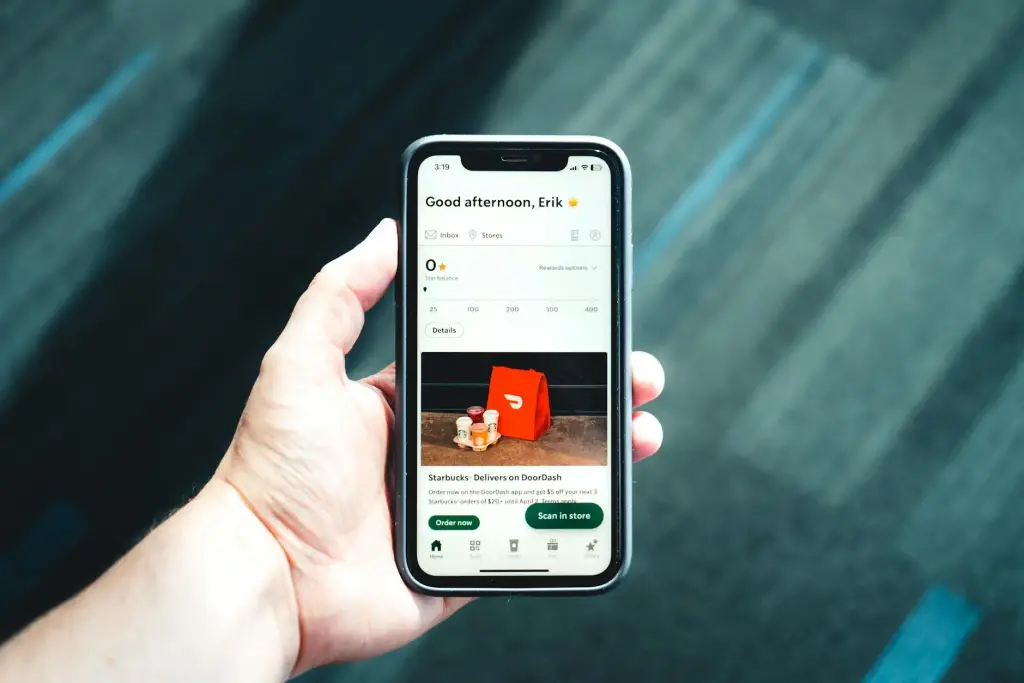
Forty-five minutes gone. You opened TikTok to check one notification. Now you're somehow watching a stranger organize their pantry. If this hits too close to home, you're officially caught in the doomscroll trap that steals hours from millions of Gen Z users daily.
Enter the Welligama app. According to the launch announcement from Impulse Inc., this digital wellbeing tool dropped on March 30, 2026, with a revolutionary approach. Instead of going full parental-controls mode and blocking everything, the Welligama app puts a three-breath pause between users and their apps. Breathe in, breathe out, and suddenly you're making a choice instead of mindlessly scrolling. The technology is patent pending and already scored a spot as a 2026 Web Summit Impact Startup.
The Timing Is Wild
Here's where it gets significant. Days before the Welligama app launched, a California jury dropped a six-million-dollar verdict on Meta and YouTube. As reported by CNN, the jury found both companies liable for intentionally addicting a young woman and wrecking her mental health. According to court documents, Meta was assigned seventy percent responsibility, while YouTube received thirty percent.
The plaintiff, Kaley, spiraled into anxiety and body dysmorphia after getting hooked on social media as a child. According to reports from the Los Angeles Superior Court, jurors deliberated for eight days following a seven-week trial. Legal experts are calling this a watershed moment because over fifteen hundred similar lawsuits are still pending against tech giants. Internal trial documents exposed how Meta kept those beauty filters running despite eighteen experts waving red flags about teen mental health risks.
The Welligama app launches right in the middle of this legal chaos. Public awareness about manipulative platform design is through the roof. The app basically acknowledges what the trial proved: these platforms are engineered to addict users, so here's a speed bump that actually works.
Here's the mechanics. Fire up Instagram or TikTok? The Welligama app stops you cold with a brief intervention. Three guided breaths with audio, visual, and touch cues. Once you're done breathing, the app unlocks for whatever time limit you set. Want another nudge? Set fifteen-minute reminders to check back in with yourself and break the scroll cycle.
Built Different From Other Blockers
Traditional screen-time blockers get uninstalled within a week. According to research on digital wellness tools, most users disable them out of frustration or find workarounds. The Welligama app founder Praveen Dayananda saw this pattern and built something different. According to the company's press materials, Dayananda spent twenty years studying mindfulness under Thich Nhat Hanh and at UCLA and Stanford. His philosophy centers on a simple idea: don't ban social media, build a meaningful pause button that actually sticks.
Dayananda explained the approach at the March launch event: "When you pause, breathe, and come back to the present moment before opening an app, you give yourself a chance to choose rather than react." According to research from Stanford and UCLA, short mindfulness exercises measurably reduce compulsive behaviors without triggering the rebound effect common with restriction-based tools. The Welligama app isn't punishing users for being human. It's hitting pause on autopilot mode.
Most digital wellness apps go hard on restriction and shame. Users feel guilty, rebel against the limits, and rebound harder than before. The Welligama app takes the opposite approach. It accepts that smartphones are part of modern life. The goal is intentional use through awareness, not elimination through force. The platform packs guided health practices, personalized check-ins, AI companions, and community features too.
For productivity-focused Gen Z users averaging nearly three hours daily on social platforms, the Welligama app offers something genuinely rare. It respects user autonomy while interrupting the psychological loops specifically engineered to trap attention. For more on digital wellness trends, check our coverage of Gen Z productivity and entrepreneurship. According to the company, B2B pilots are already rolling out for schools and corporations looking to support student and employee wellbeing.
Also see our analysis of social media platform changes and their impact on attention spans. The Welligama app is live on the Apple App Store now. Android and web versions are expected to drop later this year.
Will the Welligama app change digital wellness forever or fade into the app graveyard within months? Hard to say with certainty. But launching the same week Meta and YouTube got legally penalized for addiction-by-design? That's a genuine statement. Putting three conscious breaths between users and the algorithm feels like an actual step toward taking back control from platforms that profit from attention capture.
Comments 0
No comments yet. Be the first to share your thoughts!
Leave a comment
Share your thoughts. Your email will not be published.