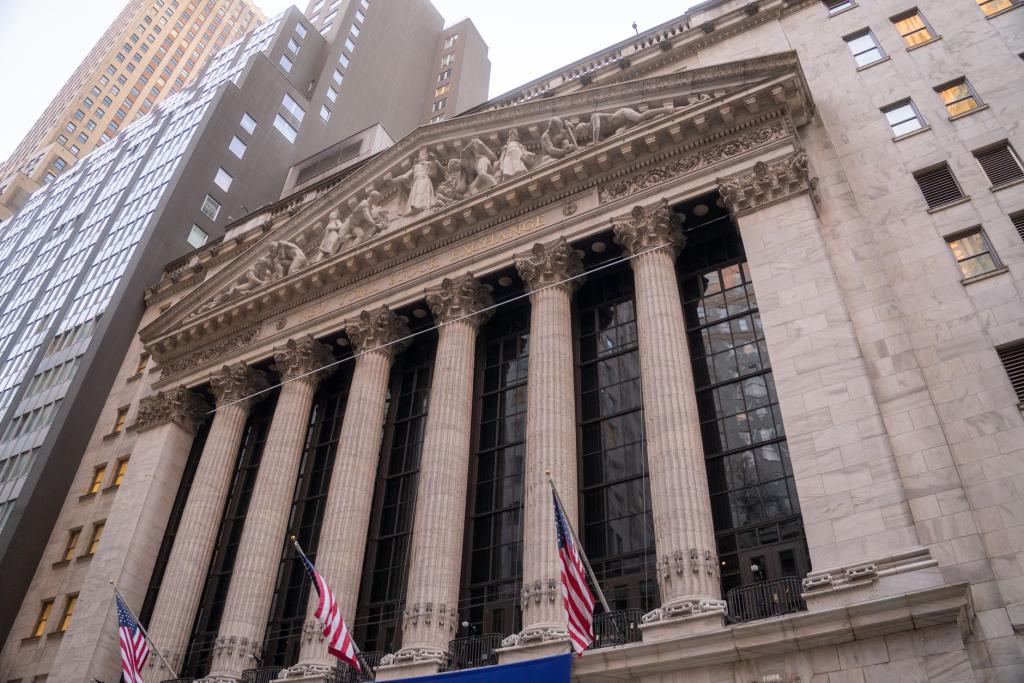
A Wall Street tech slide kept the market from a clean record on Monday, even as the S&P 500 hovered near the all-time high it set on Friday. According to the Associated Press, the Dow gained while the Nasdaq dropped, and a rally built on artificial intelligence suddenly looked a little wobbly.
Chips take the hit
The biggest drag came from the companies that have powered stocks all year. Micron fell about four percent, AMD dropped more than two percent, Broadcom slid nearly two percent and Nvidia gave up one point three percent, the AP reports. Those giants carry so much weight in the index that their dip pulled the whole market into the red.
The Motley Fool added that Sandisk tumbled more than six percent on worries about memory competition, while Lumentum fell almost ten percent, erasing last week's gains. Investors, in other words, are asking whether the AI boom can turn into real profit, not just hype.
Who won the day
Not everything fell. Roughly two thirds of the companies in the S&P 500 rose, led by communication services. Meta Platforms climbed three point four percent after launching a new AI model called Muse Wonder, according to The Motley Fool, and telecom names such as T-Mobile, AT&T and Verizon also gained.
Energy was another bright spot. Oil kept climbing, and Brent crude settled at about one hundred six dollars and sixty-five cents a barrel. Over the past month it has swung between roughly ninety-six dollars and almost one hundred ten dollars, as traders react to uncertainty over the war with Iran.
Why oil matters to your wallet
Pricier oil means pricier gas, which hits you directly. Diesel works more quietly, because it raises the cost of shipping nearly everything, from food to clothes. That is why the AP says energy swings feed into bond yields and inflation, making the market jumpy from day to day.
The ten-year Treasury yield sits around five point two four percent, near its highest level since two thousand two. High yields squeeze mortgage rates and make risky bets like tech stocks look less attractive, which is a big reason the Nasdaq struggled while safer corners of the market held up.
A big week of data
The next few days could set the tone. The government releases the consumer price index on Wednesday, and economists expect inflation to worsen to three point six percent in September from three point four percent in August. Producer prices and retail sales follow on Thursday, and shoppers are expected to have pulled back.
Banks kick off earnings season too. Citigroup, JPMorgan Chase and Wells Fargo report on Tuesday, with Bank of America on Wednesday. They have posted record profits all year, and Wall Street expects more of the same. The Federal Reserve already raised rates at its last meeting, and traders expect another hike before the year ends.
The AI question hanging over earnings
Analysts are careful about the story. Magdalena Ocampo, a market strategist at Principal Asset Management, wrote that AI continues to support growth and reinforces the outlook for tech and critical suppliers, yet uncertainty about its long-term impact persists, so future gains rely more on earnings delivery than on potential.
That is the core tension of this Wall Street tech slide. Chipmakers and software firms have spent the year riding a wave of excitement, and now investors want receipts. Every earnings call over the next few weeks will be judged on whether spending on data centers and AI tools is actually turning into sales.
The market has also grown lopsided. The S&P 500 is up fourteen percent this year, but that headline number leans heavily on a small group of giants. When those names stumble, even for a single session, the index feels it immediately, which explains why a quiet Monday still felt tense on trading screens.
What this means for Gen Z investors
If you invest through an app or a retirement account, the lesson is simple: a record index can hide a lot of churn underneath. When a handful of tech giants do the heavy lifting, one bad day for chips can erase the gains everywhere else, and that is worth remembering before you chase the next hot stock.
It also pays to watch the boring numbers. Inflation, yields and oil prices decide how expensive money is, and that touches student loans, rent and future mortgages. For more on how markets shape your money, check our business coverage.
Comments 0
No comments yet. Be the first to share your thoughts!
Leave a comment
Share your thoughts. Your email will not be published.