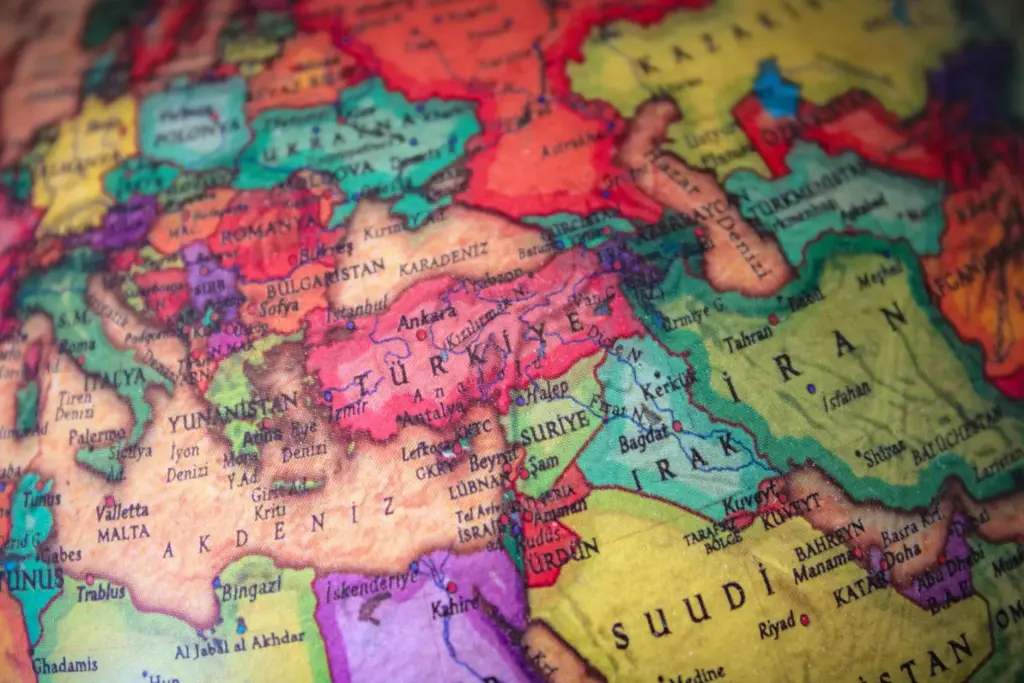
The Growing Possibility of US Iran War
A US Iran war has shifted from hypothetical scenario to real possibility as tensions continue escalating throughout 2026. Military planners, diplomats, and analysts are gaming out various conflict scenarios, each with profound implications for the Middle East and the world. Understanding these potential US Iran war outcomes helps Gen Z grasp why this situation demands attention and what consequences might unfold.
Scenario One: Limited Military Exchange
The most contained US Iran war scenario involves limited strikes and counterstrikes without full-scale invasion. The United States might conduct targeted operations against Iranian military facilities, nuclear sites, or proxy group positions. Iran would likely respond with missile attacks on US bases in the region and potentially targeting shipping in the Persian Gulf. While devastating, this scenario might remain geographically limited and relatively brief in duration.
Scenario Two: Regional Proxy War Expansion
A more dangerous US Iran war scenario sees proxy conflicts throughout the Middle East expanding dramatically. Iranian-backed forces in Lebanon, Syria, Iraq, Yemen, and elsewhere could launch coordinated attacks against American interests and allies. Israel might become directly involved, triggering broader regional conflict. This scenario could last years, destabilizing multiple nations and creating humanitarian crises requiring international response.
Scenario Three: Full-Scale Military Confrontation
The most catastrophic US Iran war scenario involves direct, sustained military conflict between the two nations. This could include ground operations, extensive air campaigns, naval blockades, and cyber attacks on critical infrastructure. The human cost would be enormous, with casualties potentially reaching hundreds of thousands. Global economic disruption would be severe and prolonged, affecting every nation connected to world markets.
Economic Consequences for Gen Z
Any US Iran war scenario would bring economic impacts reaching far beyond the battlefield. Oil prices would surge dramatically, affecting transportation costs, food prices, and consumer goods. Stock market volatility could erase retirement savings and investment accounts. Young workers might face hiring freezes and economic uncertainty similar to previous recession periods. The economic recovery could take years, shaping the financial landscape for an entire generation.
The Cyber Warfare Dimension
A US Iran war would extend into cyberspace in ways previous conflicts have not. Both nations possess sophisticated cyber capabilities that could target critical infrastructure, financial systems, and communication networks. Average citizens might experience disrupted services, data breaches, or communication blackouts. The digital dimension of modern warfare means the home front is no longer separate from the battlefield.
Refugee and Humanitarian Crises
Any major US Iran war would create massive refugee flows affecting neighboring countries and potentially Europe. Infrastructure destruction would disrupt food, water, and medical supplies for civilian populations. International aid organizations would face overwhelming demands with limited resources. The humanitarian consequences would persist long after active combat ends, requiring sustained global response.
Impact on Global Alliances
A US Iran war would test international alliances and reshape global power dynamics. NATO allies might face pressure to participate or support operations. Russia and China could respond economically or militarily in support of Iran. Gulf states would face impossible choices between American partnerships and regional stability. The conflict could accelerate shifts in global power structures already underway.
What Young People Should Know
For Gen Z, a US Iran war represents the most significant foreign policy crisis of their adult lives. Military service age individuals might face deployment decisions. College students might see programs affected by economic disruption. Young professionals could encounter job markets transformed by conflict economics. Staying informed and engaged with these issues empowers meaningful participation in democratic decisions about war and peace.
The Importance of Diplomatic Solutions
Understanding US Iran war scenarios highlights why diplomatic solutions remain essential. Every military option carries enormous costs and risks that diplomats work to avoid. Supporting diplomatic engagement, even when difficult, represents a commitment to solving disputes without the devastating consequences of armed conflict. The generation with the most at stake has the most reason to demand peaceful resolution.
Preparing for Uncertainty
While hoping for peace, prudent preparation for US Iran war impacts makes sense. Understanding how global events affect personal finances, career planning, and civic engagement helps young people navigate uncertain times. Staying informed through reliable sources, building emergency savings, and engaging in community organizations creates resilience regardless of international developments. The future remains unwritten, and informed citizens help shape outcomes through participation and advocacy.
Comments 0
No comments yet. Be the first to share your thoughts!
Leave a comment
Share your thoughts. Your email will not be published.