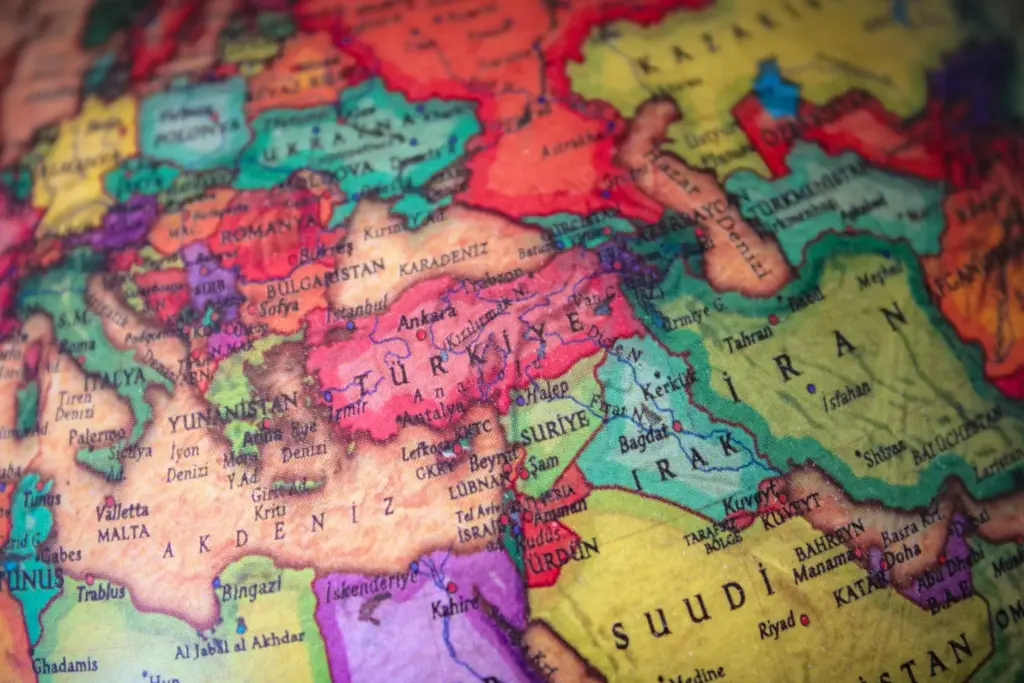
US Iran Relations Reach Critical Junction
The US Iran relationship has deteriorated to one of its lowest points in decades, with diplomatic channels nearly frozen and military tensions rising across the Middle East. The ongoing nuclear standoff remains the primary flashpoint, but US Iran disagreements extend far beyond atomic ambitions to encompass regional influence, proxy conflicts, and competing visions for Middle East security.
President administration officials have repeatedly stated that the United States will not allow Iran to develop nuclear weapons, while Tehran insists its nuclear program serves purely civilian purposes. This fundamental disagreement continues to drive US Iran tensions despite multiple rounds of indirect negotiations mediated by European and Gulf states.
Nuclear Negotiations Stall as US Iran Positions Harden
Efforts to revive the 2015 Joint Comprehensive Plan of Action (JCPOA) have faltered, with US Iran negotiators unable to bridge significant gaps. The original agreement, which the Trump administration abandoned in 2018, imposed strict limits on Iran nuclear activities in exchange for sanctions relief. President Biden pledged to restore the deal but has faced mounting domestic political pressure to take a harder line.
Iranian officials demand guarantees that the United States will not withdraw again, a commitment Washington cannot constitutionally provide. Meanwhile, the Biden administration insists on addressing Iran ballistic missile program and regional proxy activities, demands Tehran rejects as beyond the nuclear file scope. This deadlock perpetuates US Iran tensions with no clear resolution path.
International Atomic Energy Agency (IAEA) reports indicate Iran has significantly expanded uranium enrichment activities, now possessing enough material for multiple nuclear weapons if further processed. While Tehran maintains it has no intention of building nuclear arms, the shrinking breakout timeline alarms US Iran policymakers and regional allies.
Military Posturing Intensifies Between US Iran Forces
The Persian Gulf has witnessed increasingly dangerous encounters between US Iran military forces. Iranian Revolutionary Guard Corps (IRGC) naval vessels have conducted aggressive maneuvers near American warships transiting the Strait of Hormuz, a critical chokepoint for global oil shipments. US Central Command reports numerous instances of harassment, including approaches within dangerous distances.
The United States maintains significant military assets in the region, including aircraft carrier strike groups, fighter squadrons, and missile defense systems designed to protect allies and deter Iranian aggression. These deployments, while defensive from Washington perspective, are viewed by Tehran as provocations justifying enhanced military readiness and contributing to US Iran tensions.
Both sides have conducted military exercises demonstrating capabilities. Iranian drills showcased ballistic missile strikes against simulated American bases, while US exercises with regional partners emphasized integrated air defense and counter-missile operations. These displays signal resolve while raising miscalculation risks that could spiral into open conflict.
Proxy Conflicts Drive US Iran Competition
Beyond direct military posturing, US Iran competition manifests through proxy conflicts across the Middle East. Iran network of allied militias extends from Lebanon Hezbollah to Yemen Houthi rebels, providing Tehran influence at relatively low cost while maintaining plausible deniability.
Yemen War Highlights US Iran Proxy Competition
The devastating conflict in Yemen exemplifies US Iran proxy competition. Iranian support for Houthi rebels, including missile and drone technology, has enabled attacks against Saudi Arabian oil facilities and commercial shipping in the Red Sea. The United States has responded with military support for Saudi defenses while conducting limited strikes against Houthi targets.
Houthi attacks on international shipping have disrupted global commerce, forcing vessels to divert around Africa rather than risk the Suez Canal route. These disruptions increase shipping costs worldwide and demonstrate how US Iran tensions affect global markets far beyond the Middle East.
Syria and Lebanon: Additional US Iran Flashpoints
Syria remains a key battleground for US Iran competition. Iranian Revolutionary Guard forces and allied militias have established substantial military infrastructure in Syria, threatening Israel and US allies. Israeli airstrikes, tacitly supported by Washington, regularly target these positions, occasionally killing Iranian personnel and raising retaliation risks.
In Lebanon, Hezbollah massive rocket arsenal poses a direct threat to Israel. A future Israel-Hezbollah war, potentially triggered by US Iran tensions, could devastate Lebanon and draw in regional powers. The United States maintains military aid to Lebanon nominal government while sanctioning Hezbollah, walking a delicate diplomatic line.
Economic Warfare Defines US Iran Strategy
Economic sanctions remain Washington primary tool for pressuring Tehran. The US Iran economic conflict has devastated the Iranian economy, collapsing the currency, driving inflation above 40%, and limiting oil exports. Ordinary Iranians suffer while the regime maintains power through repression and patronage networks.
Sanctions Impact on Iranian Society
Comprehensive US sanctions have isolated Iran from international banking systems, making routine trade extraordinarily difficult. Iranian hospitals struggle to acquire medicines, and airlines cannot purchase spare parts, leading to dangerous safety conditions. These humanitarian impacts generate international criticism of US Iran policy, though Washington insists exemptions exist for humanitarian goods.
The Iranian regime has adapted through smuggling networks, cryptocurrency transactions, and strengthened economic ties with China and Russia. While these workarounds mitigate some sanctions effects, they cannot fully compensate for lost European investment and technology access. Economic desperation drives some Iranians to risk dangerous migration while fueling domestic unrest.
Oil Markets Feel US Iran Tensions
Global oil markets remain sensitive to US Iran tensions. Any military confrontation threatening Hormuz Strait transit could send prices soaring, impacting American consumers and global economic recovery. Saudi Arabia and United Arab Emirates have increased production capacity to offset potential Iranian disruptions, but sustained closure would overwhelm spare capacity.
The Biden administration faces difficult choices regarding US Iran oil sanctions enforcement. Strict enforcement maintains pressure but drives prices higher, contributing to domestic inflation concerns. Lax enforcement undermines sanctions credibility while potentially providing Tehran revenue streams. This dilemma illustrates the complex trade-offs defining US Iran policy.
Regional Allies Complicate US Iran Calculations
American allies in the Middle East strongly influence US Iran policy calculations. Israel views Iranian nuclear ambitions as existential threats and has reportedly conducted covert operations against Iranian nuclear facilities. Saudi Arabia and Gulf states fear Iranian regional dominance and have pursued their own nuclear hedging strategies.
These allies pressure Washington to maintain maximum pressure on Tehran while potentially preparing military options should diplomacy fail. The Abraham Accords normalizing Israeli relations with UAE and Bahrain partly aimed at creating an anti-Iran coalition, further isolating Tehran and intensifying US Iran competition.
However, some Gulf states have pursued hedging strategies, engaging diplomatically with Iran to reduce risks while maintaining US security partnerships. Qatar maintains communication channels with Tehran, while Oman has historically mediated between US Iran officials. These nuanced positions reflect the complex realities facing regional actors.
Potential Paths Forward for US Iran Relations
Despite current hostility, diplomatic options for improving US Iran relations exist. An interim nuclear agreement could freeze Iran most provocative activities while providing limited sanctions relief. Such an arrangement would not resolve underlying disputes but could prevent crisis escalation while buying time for comprehensive negotiations.
Regional security dialogues involving US Iran representatives could address proxy conflicts and establish red lines preventing unintended escalation. While full normalization remains distant, crisis management mechanisms could reduce miscalculation risks threatening millions of lives.
Ultimately, sustainable US Iran accommodation requires both sides accepting constraints on their ambitions. Washington must acknowledge legitimate Iranian security concerns and economic aspirations, while Tehran must accept that nuclear weapons and regional domination are unattainable goals. Whether such mutual recognition proves possible will shape Middle East security for generations.
Conclusion: Navigating US Iran Hostilities
The US Iran confrontation represents one of the world most dangerous geopolitical rivalries, with nuclear proliferation risks, proxy conflicts, and economic warfare threatening regional and global stability. Both countries face critical decisions regarding confrontation versus accommodation, with profound implications for Middle East peace.
American policymakers must balance pressure with diplomatic engagement, avoiding either appeasement or unnecessary escalation. Iranian leaders must determine whether continued defiance serves national interests or whether pragmatic engagement offers better prospects for their people. The path chosen will define US Iran relations for years to come.
What is your perspective on US Iran tensions? Should Washington pursue diplomacy or maintain maximum pressure? Share your views in the comments and follow our World Society coverage for ongoing updates on this critical international relationship.
Related coverage: Continue with more the world coverage, Russia Ukraine Peace Talks: Kremlin Cites Uncertainty on Next Round, Russian Central Bank EU, and Russia NATO Airspace 2025: 18 Violations Mark 200% Surge.
Comments 0
No comments yet. Be the first to share your thoughts!
Leave a comment
Share your thoughts. Your email will not be published.