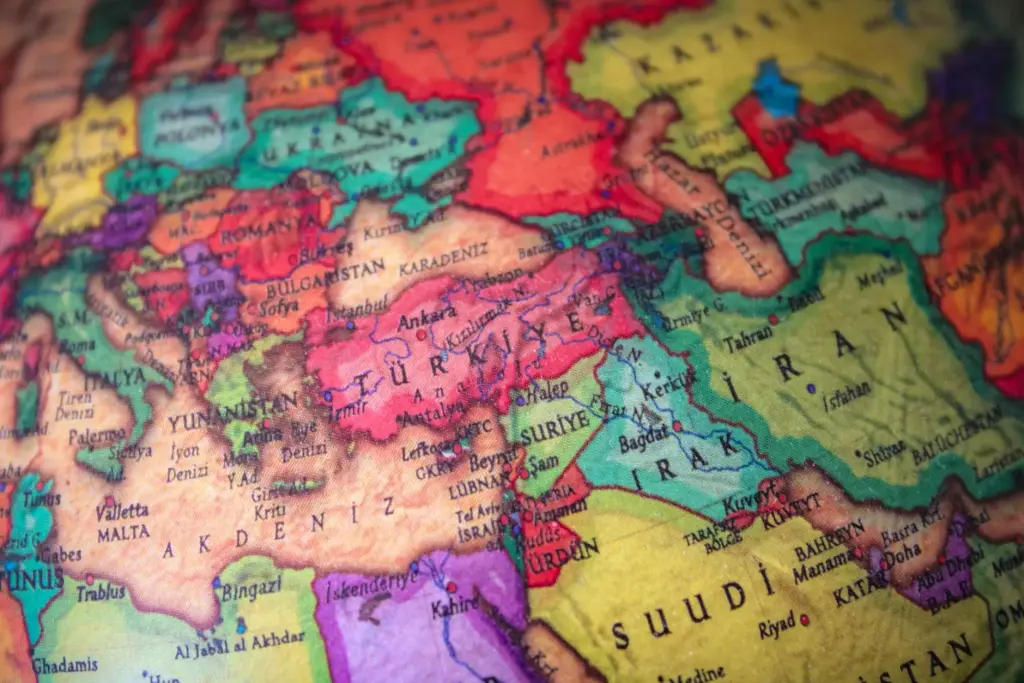
The Current State of US Iran Conflict
The US Iran conflict has reached unprecedented levels of tension in 2026, marking one of the most dangerous periods in Middle Eastern geopolitics in decades. What began as diplomatic disagreements has evolved into direct military confrontations, raising fears of a broader regional war. For Gen Z following these developments, understanding the complexity of US Iran conflict dynamics is essential for grasping how this situation affects global stability, energy markets, and international security.
Key Events Leading to Escalation
The path to the current US Iran conflict has been building for years. Nuclear program disputes, economic sanctions, proxy conflicts across the Middle East, and regional influence battles have all contributed to deteriorating relations. Recent months saw direct attacks between US forces and Iranian assets, crossing previous red lines that both nations had avoided. Each escalation has brought the two nations closer to open warfare, with diplomatic channels becoming increasingly strained.
The Nuclear Question
Central to the US Iran conflict is the Iranian nuclear program. International agreements designed to limit nuclear development have collapsed, with Iran accelerating uranium enrichment beyond previous limits. The United States and allies argue this represents an unacceptable threat to regional and global security. Iran maintains its program is peaceful, though intelligence agencies disagree about military dimensions. This nuclear standoff remains perhaps the most dangerous aspect of the broader conflict.
Proxy Conflicts Across the Region
The US Iran conflict plays out through proxy forces throughout the Middle East. Iranian-backed groups operate in Syria, Iraq, Lebanon, Yemen, and elsewhere, often coming into conflict with US forces or American allies. These proxy battles allow both nations to exert influence without direct confrontation, though the risk of escalation remains constant. Recent attacks on shipping in the Red Sea and strikes against US bases illustrate how these proxy conflicts can quickly become direct confrontations.
Economic Impact on Global Markets
The US Iran conflict has significant implications for the global economy. Iran remains a major oil producer, and instability threatens shipping routes through the Persian Gulf. Oil prices have fluctuated dramatically as markets price in the risk of supply disruptions. For Gen Z already facing economic challenges, these market effects translate to higher gas prices, increased costs for goods, and economic uncertainty that affects employment and investment opportunities.
Humanitarian Concerns
Behind the geopolitical analysis lies a humanitarian crisis affecting millions. Iranian civilians face economic hardship from sanctions and the threat of military conflict. Neighboring countries struggle with refugee flows and economic disruption. Military actions have resulted in casualties on all sides. The human cost of the US Iran conflict extends far beyond the combatants, affecting ordinary people throughout the region and beyond.
The Role of International Diplomacy
Despite military escalations in the US Iran conflict, diplomatic efforts continue. European nations, Russia, China, and regional powers have attempted to mediate between Washington and Tehran. International organizations call for restraint and dialogue. The challenge lies in finding diplomatic solutions that address the core concerns of both nations while avoiding appearances of weakness that could undermine future negotiations.
What This Means for Gen Z
For young Americans and global citizens, the US Iran conflict represents the foreign policy challenge of their generation. Military involvement could mean deployment for some, economic impacts for all, and political debates about American foreign policy priorities. Understanding this conflict helps Gen Z engage meaningfully in discussions about war, peace, and the role of the United States in global affairs.
The Path Forward
Multiple scenarios exist for how the US Iran conflict might evolve. De-escalation through diplomacy remains possible, though trust between parties is minimal. Continued low-level conflict through proxies could persist indefinitely. Direct military confrontation, while devastating, remains a possibility that military planners on all sides must consider. The decisions made by leaders in coming months will shape the Middle East for generations.
Staying Informed Responsibly
Following the US Iran conflict requires media literacy and diverse sources. State media, social media, and traditional news outlets all have perspectives and potential biases. Seeking multiple sources, understanding context, and distinguishing between confirmed facts and speculation helps Gen Z navigate the information landscape. The stakes of this conflict demand informed citizens capable of engaging thoughtfully with complex geopolitical issues.
Comments 0
No comments yet. Be the first to share your thoughts!
Leave a comment
Share your thoughts. Your email will not be published.