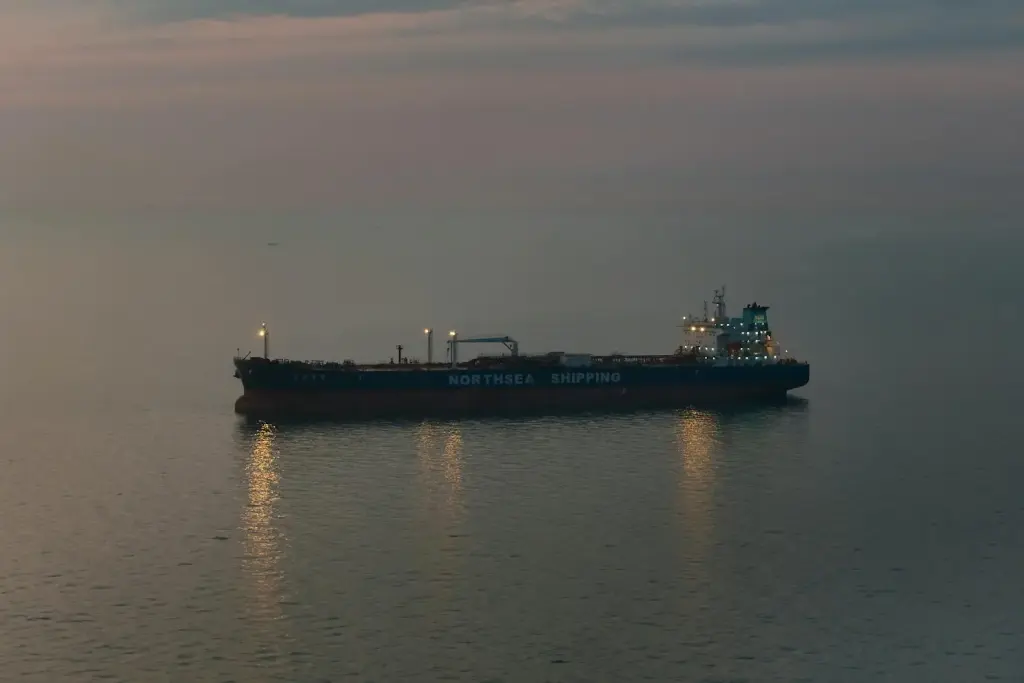
The United States is assembling a multinational naval coalition to protect commercial shipping through the Strait of Hormuz, one of the worlds most critical oil chokepoints, as tensions in the Middle East continue to escalate. President Donald Trump announced the initiative on social media, calling on nations that receive oil through the strategic waterway to help secure its passage.
Countries of the World that receive oil through the Hormuz Strait must take care of that passage, and we will help A LOT! Trump wrote, adding that the US would coordinate with the international coalition to ensure everything flows quickly, smoothly, and well. According to reports from the Wall Street Journal, the administration may announce the coalition as early as this week.
Oil Prices Surge Amid Supply Disruptions
Oil prices have surged over 40% this month, reaching their highest levels since 2022, after US-Israeli strikes on Iran led Tehran to block the Strait of Hormuz. The waterway handles approximately 20% of global oil supply, making it essential to world energy markets. Brent crude dipped slightly on Monday to around $102 per barrel after settling $2.68 higher on March 13, while WTI traded near $97 per barrel, according to ICIS.
Source: ICIS Oil Market Report
The price volatility comes as Irans main oil export hub, Kharg Island, has been targeted in US strikes. Iran processes about 90% of its oil exports through Kharg Island. While the strikes have targeted military installations rather than oil infrastructure, the threat to supply remains significant today.
IEA Releases Emergency Oil Reserves
In response to the ongoing disruption, the International Energy Agency (IEA) announced that over 400 million barrels of oil from emergency reserves will begin flowing to global markets. Reserves will be made available immediately to Asia and Oceania countries, while stocks in the Americas and Europe will be made available starting from the end of March, the IEA stated on March 15.
The IEA emphasized that while the release is a significant and welcome buffer, the most critical factor for market stability is a return to regular shipping through the Strait of Hormuz. Adequate insurance mechanisms and physical protection for shipping are key to the resumption of flows, the agency added.
Diplomatic Efforts Face Setbacks
Despite the US offering terms for ending the conflict, including requiring Iran to give up its nuclear program, diplomatic progress appears limited. Trump stated on March 15 that the US requires very solid terms to end the war, claiming Washington is in talks with Tehran.
However, Iran Foreign Minister Abbas Araghchi denied these claims in a CBS interview on March 15. There is nothing on the table right now, Araghchi said, asserting that Tehran has neither entered negotiations nor asked for a ceasefire.
Source: NY Times - Iran War Global Impact
The conflict has already had far-reaching geopolitical consequences. Russia stands to benefit economically from the situation as European nations search for alternative energy sources amid the instability. This could reshape global energy trade routes for years to come.
What This Means for Consumers and the Global Economy
The ongoing crisis threatens to drive up gasoline prices and inflation globally. With 20% of world oil supply passing through the Strait of Hormuz, any prolonged disruption could have severe economic repercussions. The IEA reserve release is designed to provide a temporary buffer, but experts say the ultimate solution depends on de-escalation in the region.
For now, markets are watching closely for the announcement of the naval coalition, which could determine whether oil flows freely through the critical chokepoint or whether global energy markets face continued uncertainty today. The situation highlights how vulnerable the global economy remains to disruptions in key shipping routes.
The importance of international cooperation in maintaining energy security worldwide cannot be overstated. Japan receives priority access to crude in the event of an emergency, according to IEA reports. The Asian nation is particularly vulnerable to supply disruptions given its heavy reliance on oil imports through the Strait of Hormuz.
Comments 0
No comments yet. Be the first to share your thoughts!
Leave a comment
Share your thoughts. Your email will not be published.