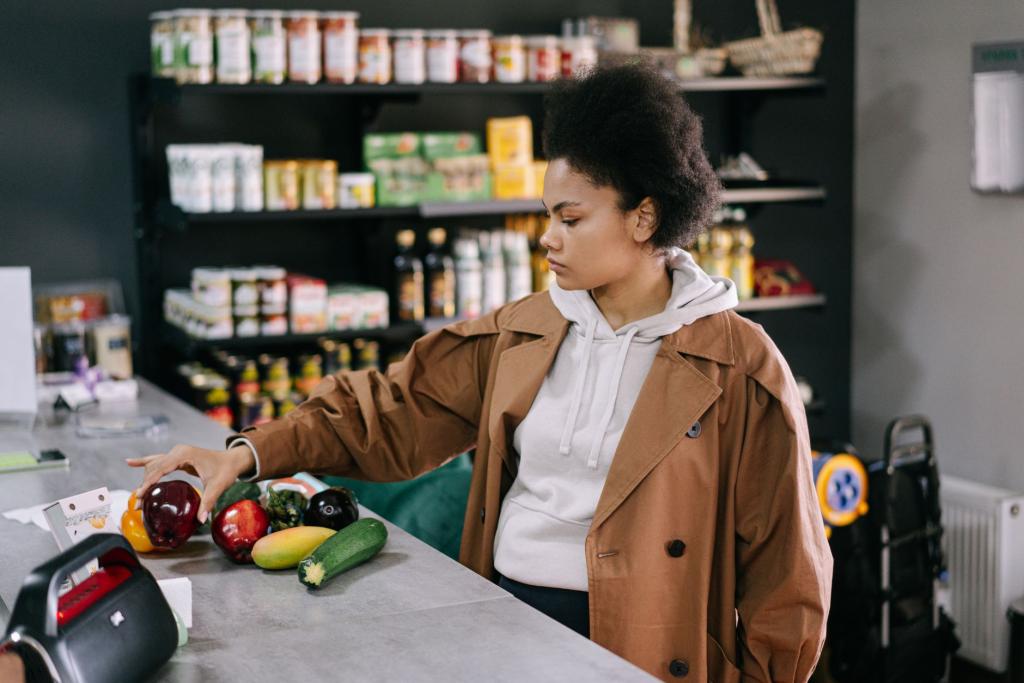
If your weekly food shop has felt heavier lately, the numbers back you up. British grocery price inflation rose to 2.3% over the four weeks to September 6, according to market researcher Worldpanel by Numerator, up from 2.1% in the previous report. For households already managing tight budgets, it is another sign that the post-2024 calm in grocery prices may be over.
The rise puts fresh pressure on young shoppers and anyone cooking at home, because grocery inflation hits the weekly food budget directly. Worldpanel's data is considered the most current snapshot of UK consumer behaviour, and its September reading is an early warning of the pricing pressure heading into the winter. For more coverage of how economic shifts affect everyday life, see our latest stories or browse the cooking and recipes section for budget-friendly meal ideas.
What's rising fastest
Not every item in the trolley is going up at the same rate. Reuters reported that prices rose fastest in fresh fish over the four-week period. Staples such as wheat are also becoming more expensive: Sky News reported that wheat costs are up by a quarter following poor yields caused by the summer heatwaves, and oil prices are 60% higher than a year ago. Those costs filter through to bread, pasta, and other basics that sit at the centre of most home-cooked meals, so anyone tracking grocery prices week to week should watch staple carbohydrates first.
There is some good news in the produce aisle. According to the USDA Agricultural Marketing Service weekly specialty-crops report, advertised prices for some fruits have dropped compared with last year, including navel oranges and blackberries. But the overall picture for UK shoppers is a gentle upward slope, and the Food and Drink Federation warned last week that food price inflation could climb to nearly 4% by the end of the year and exceed 6% by the middle of 2027, citing the ongoing impact of the U.S.-Iran war, drought in Europe, and the El Niño weather pattern.
Why your shop feels more expensive
The 2.3% figure only tells part of the story. UK grocery sales increased 2.0% over the same four weeks, which means that once inflation is taken into account, people are actually buying less, because grocery prices are effectively rising faster than spending. In other words, shoppers are spending more money to bring home fewer items.
The supermarkets are feeling the squeeze from both sides. While Britain's chains compete fiercely for market share, manufacturers are passing on higher costs for ingredients, energy, and delivery. Tesco, the market leader, saw sales rise 1.7% over the 12 weeks to September 6, but its market share slipped for the fourth report in a row, down to 27.8%. Sainsbury's sales rose 2.9%. Meanwhile, shoppers are clearly shifting toward cheaper options: Worldpanel said discounters and value-led options are gaining ground, with Lidl growing sales by 8.0% and Marks & Spencer recording the fastest food sales growth at 14.8%.
As grocery prices edge up, consumer behaviour is already shifting. Shoppers made 18 million fewer trips to supermarkets over the four-week period than at the July peak, and spending on deals rose by £243 million, up 7% on a year earlier. Worldpanel also noted early signs that rising bills for fuel and household energy are changing how people spend on food, with energy bills set to rise for most UK households from October.
How to cook well as grocery prices rise
Higher grocery prices do not have to mean worse meals. The first move is to let the deals guide the menu rather than the other way round: build the week's cooking around what is discounted, and keep a short list of flexible recipes that work with whatever vegetables are on offer.
Frozen produce deserves more credit than it gets. Frozen peas, berries, and fish are usually cheaper than fresh equivalents, last for months, and lose little nutritionally, making them an easy way to push back when grocery prices are climbing. Batch cooking is the other classic defence: doubling a recipe and freezing half turns a single evening's effort into two meals and spreads the cost of staples like rice and pasta across more portions.
It also helps to know where the increases are concentrated. If fresh fish is one of the fastest-rising items, swapping in tinned fish, eggs, or pulses for a few meals each week keeps the protein on the plate without the price tag. And before assuming the biggest store has the best deal, compare a discounter or value range, because the sales data suggests that is exactly what more UK shoppers are now doing as grocery prices move.
Sources:
Reuters, "UK grocery inflation edges higher over last month, says Worldpanel" (September 15, 2026): https://www.reuters.com/world/uk/uk-grocery-inflation-edges-higher-over-last-month-says-worldpanel-2026-09-15/
Sky News/Classic FM reported wheat costs up by a quarter after summer heatwaves, and oil prices 60% above a year ago.
Comments 0
No comments yet. Be the first to share your thoughts!
Leave a comment
Share your thoughts. Your email will not be published.