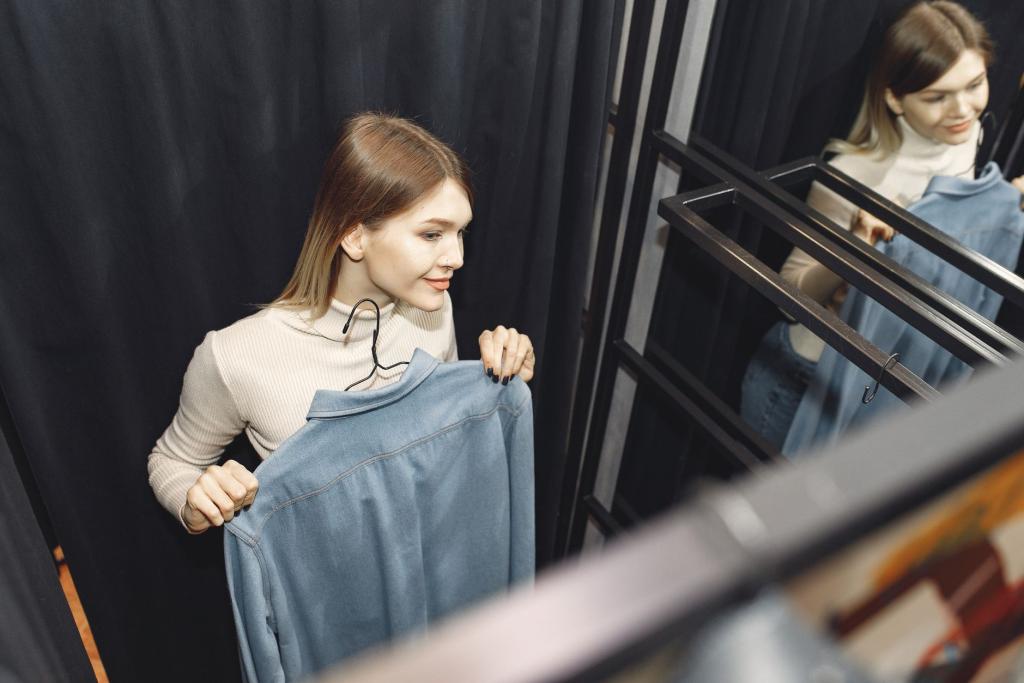
OpenAI has turned ChatGPT into a fitting room. A new Try On Clothes button now sits on clothing and accessory listings inside ChatGPT shopping results, and tapping it renders the item on a photo of you instead of a store model. The feature went live worldwide in early October 2026 with no waitlist, arriving alongside a Favorites library that saves products into a personal collection for later.
How Try On Clothes works
You start from an ordinary shopping query. When an eligible product appears in the results, the Try On button offers itself on the listing. Select it, take or upload a selfie or a full-body photo, and the chatbot returns a generated image of you wearing the item, according to OpenAI's release notes. The photo is kept as a reference for future try-ons, so repeat visits skip the upload step entirely.
The button is not the only door in. Uploading a picture of a garment into a conversation — even a screenshot grabbed from another retailer's website — and asking the assistant to show it on you produces the same result. The tool can also work from a bare description: tell it the look you want and it finds the remaining pieces to complete the outfit, or upload a photo of a celebrity's outfit and ask it to locate the same items for sale, per TechCrunch's reporting on the launch.
Both features run on the company's newest image model, which OpenAI says produces more natural lighting and richer textures, follows editing instructions more reliably, and cuts generation time by up to half compared with its predecessor. That speed is load-bearing: a try-on only works if the preview arrives before the shopper's attention moves on.
The numbers behind the bet
OpenAI is chasing a habit that has already formed. A PYMNTS Intelligence report from October found that nearly twenty-three percent of consumers in the United States, close to sixty-one million people, begin their online retail search with AI. Among those shoppers, clothing, shoes and accessories made up about twenty-eight percent of their most recent AI-assisted purchases. Platform companies and retailers spent the spring embedding generative try-on technology directly into product pages, search results and checkout flows, according to the same report.
OpenAI says people already create more than three billion images a week across its image tools, so the company is meeting existing behavior rather than inventing it. Google reached a similar conclusion a year earlier: when it extended its own AI try-on to shoes in the fall of 2025, the company said shoppers were sharing try-on images far more than standard product listings. The new button puts the chatbot in the same fashion-discovery lane as Google Shopping and Pinterest.
There is history behind the button. The Try On Clothes launch is OpenAI's second commerce swing inside the chatbot after an earlier instant-checkout feature underperformed, according to industry coverage. The first attempt asked shoppers to complete purchases; the new one asks only for their attention during discovery. That is a smaller ask with a bigger footprint, because even shoppers who never buy through the chat now do their visualizing there.
The privacy and fit fine print
The convenience comes with a record-keeping habit. Your reference photo is saved for future try-ons and can be changed or removed under the personalization settings, which is worth a visit before you build a library of images of yourself. Reporting on the launch has flagged the default that lets OpenAI use personal-account uploads for training unless the user opts out, so the settings page matters twice over.
Then there is the honesty gap every virtual fitting room shares. OpenAI attaches its own caveat: try-on images may not represent the product or the shopper's appearance exactly and do not guarantee fit or size. The practical advice is old-fashioned — check the merchant's measurements, product details and return policy before spending. A generated preview can tell you whether you like a jacket's look; it cannot tell you whether the sleeves fit.
For young shoppers, the pitch is practical. A generated preview costs nothing and takes seconds, which makes it easy to test a whole look — sneakers from one drop, a jacket from another — before committing. It is the same impulse behind pieces like the SZA Vansza collection or the latest streetwear drop: style discovery now happens in feeds and chats long before anyone reaches a checkout page. The difference is that the mirror is now inside the chat window too.
Retailers are watching the same screen from the other side. When try-on, saving and comparing all happen inside a chat window, a brand's own site may only meet the shopper at the very end of the decision. Better visualization could cut returns — the industry's expensive guesswork — if shoppers arrive more certain of what they want. But it also means product data has to travel well: if a retailer's listings do not surface cleanly in AI results, the fitting room never opens its door.
Comments 0
No comments yet. Be the first to share your thoughts!
Leave a comment
Share your thoughts. Your email will not be published.