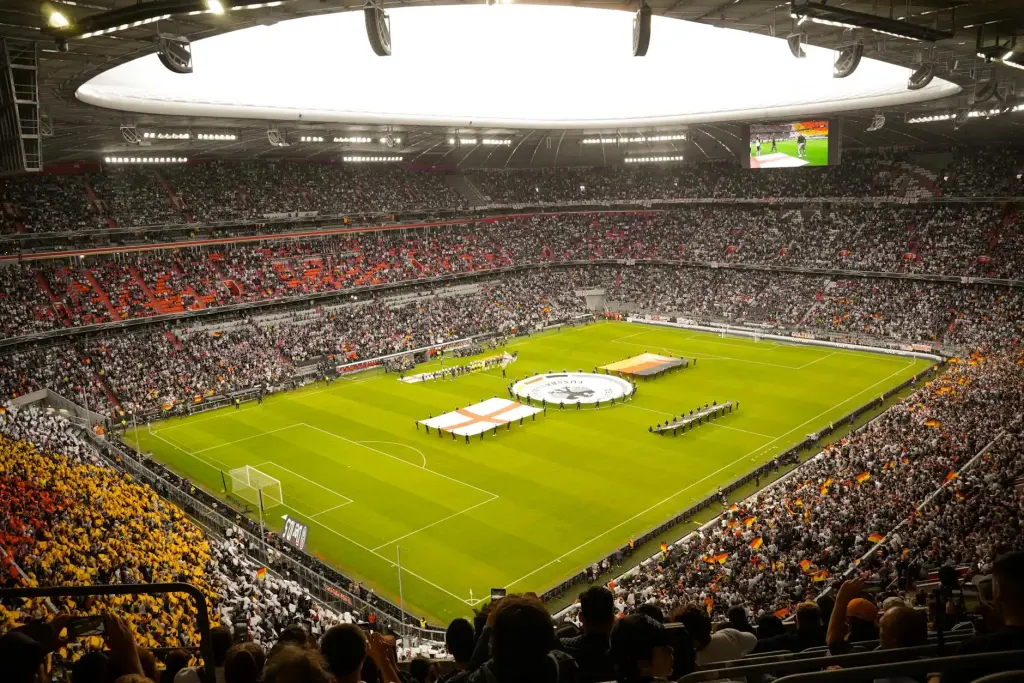
The Iran World Cup situation has become increasingly complicated as President Donald Trump declared that Iran's participation in the 2026 tournament would be 'not appropriate' for the team's safety. This statement, posted on March 12, 2026, directly contradicts his assurance to FIFA officials just days earlier that the Iranian squad would be welcome. The conflicting messages highlight the complex intersection of international sports and the ongoing military conflict between the United States and Iran.
Trump's Conflicting Messages on Iran World Cup
On March 12, 2026, President Trump posted on Truth Social that while the Iran National Soccer Team is technically 'welcome to The World Cup,' he 'really doesn't believe it is appropriate that they be there, for their own life and safety,' according to AP News. This sudden shift in position has created significant uncertainty about Iran's status in the upcoming tournament.
This statement directly contradicts his position from just two days earlier. On March 10, FIFA President Gianni Infantino announced that Trump had personally assured him Iran would be welcome to compete. 'President Trump reiterated that the Iranian team is, of course, welcome to compete in the tournament in the United States,' Infantino wrote on Instagram, as reported by The Guardian. The rapid reversal has left tournament organizers scrambling to understand the actual position of the US government regarding Iran's participation.
Iran's Response and Withdrawal Threat
Despite Trump's apparent openness to Iran's participation, Iranian officials have signaled their intent to withdraw from the tournament. Iran's Sports Minister Ahmad Donyamali told state television on March 11 that 'it's not possible for us to take part in the World Cup' due to what he called 'wicked acts' committed by the US against Iran, according to The New York Times.
The Iranian national team responded defiantly to Trump's safety concerns regarding Iran World Cup participation, stating that 'certainly, no one can exclude Iran's national team from the World Cup; the only country that could be excluded is one that merely carries the title of host yet lacks the ability to provide security for the teams participating in this global event.' This strong rhetoric reflects the broader tensions between the two nations and the challenges of separating sports from geopolitics.
Tournament Logistics and Security Concerns
Iran qualified for the expanded 48-team World Cup in June 2025 through the Asian Football Confederation's qualification process. The team was scheduled to play group-stage matches in Los Angeles on June 15 and in Seattle on June 21 and 26. Their potential withdrawal would mark the first time a qualified nation has pulled out of the World Cup in the modern era, creating significant logistical challenges for tournament organizers.
The 2026 tournament, co-hosted by the United States, Canada, and Mexico, represents the largest World Cup in history with 48 participating teams from around the globe. The competition runs from June 11 to July 19, placing it squarely within the timeframe of the ongoing US-Iran military conflict that began in late February 2026. This timing makes the Iran World Cup situation particularly complex for all parties involved.
Security concerns extend beyond the Iranian team itself. With anti-war protests occurring across the United States and tensions running high between the two nations, the presence of Iranian athletes could become a flashpoint for demonstrations or security incidents. The US Soccer Federation would face the complex task of providing protection for the team while managing public sentiment during a time of active military conflict.
FIFA's Diplomatic Challenge
The situation presents FIFA with a significant diplomatic and logistical challenge that tests the organization's ability to navigate complex international relations. While the governing body has maintained that Iran is welcome to participate, the practical realities of hosting a team from a nation actively at war with one of the host countries complicate matters considerably for tournament planning.
The World Cup has historically served as a platform for international reconciliation and cultural exchange, but the current circumstances test the limits of sports diplomacy. Previous tournaments have seen political tensions between participating nations, but rarely has a host nation been actively engaged in military conflict with a qualified team during the competition itself.
FIFA must now balance its commitment to inclusive international competition with the security realities of hosting a team from a nation at war with the primary host country. The organization's response to this unprecedented situation could set important precedents for how international sports bodies handle geopolitical conflicts in the future. For additional coverage of international sports, World Cup developments, and major tournaments, visit our Sports section and World news.
Comments 0
No comments yet. Be the first to share your thoughts!
Leave a comment
Share your thoughts. Your email will not be published.