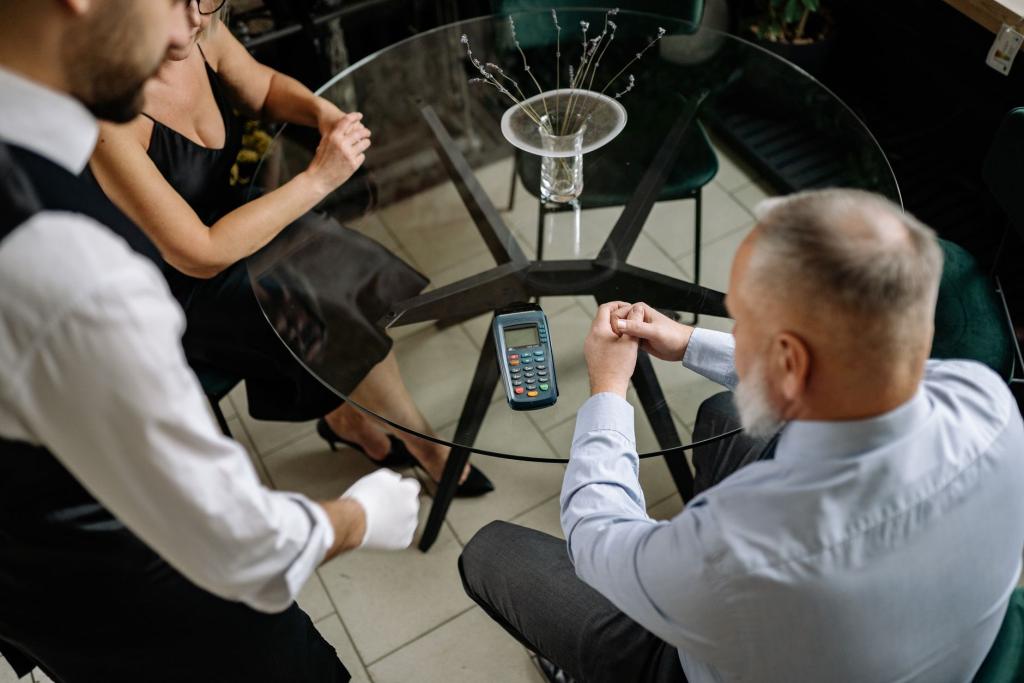
Here is the unpopular opinion: tipping less does not make you cheap. It makes you a rational person reacting to a checkout that has quietly turned generosity into a fee. According to a Popmenu report released September 30, 2026, forty percent of American diners say they are tipping less this year, with sit-down restaurants taking the biggest hit. The scolding that follows — the viral shaming of bad tippers — misses the actual story. Diners are not abandoning generosity. They are abandoning a system that stacks fees, prompts and guilt on top of the meal. Researchers have a name for the mood: tipping fatigue.
The numbers describe a consumer base dining out with a calculator open. The report, built on six months of national research among 3,000 U.S. consumers with surveys in February, May and July 2026, finds the average diner now spends a hundred dollars a week at restaurants — up from ninety dollars in February, but still well below the one hundred fifteen of June 2025.
Two-thirds say they are spending less on restaurants than last year, and the share of the monthly food budget going to restaurants has slid to around 30 percent, down from a 40 percent high in 2022.
The coping tactics read like a group chat of money-saving hacks: 52 percent drink water instead of buying a beverage, half pick up orders rather than paying for delivery, 48 percent lean on coupons or rewards points, 47 percent trade down to cheaper restaurants, 29 percent order an appetizer as the meal, 28 percent cut back on alcohol — and 16 percent order kids' meals for adults.The checkout is the villain
Tipping did not collapse in a vacuum; the payment screen around it got hostile. A separate September 2026 survey by the personal finance site FinanceBuzz found 68 percent of shoppers have abandoned a delivery order over fees, and 22 percent have left no tip at all on a delivery because the meal was already expensive or the fees were already high. Gen Z, the generation ordering delivery most — an average of 4.3 orders a month, nearly triple the boomer rate — is also the most likely to feel guilty about it. The pattern is consistent: when the pre-tip total already includes service charges, delivery fees and small-order penalties, the tip prompt reads less like a thank-you than like a toll booth at the end of a toll road. That gap between lingering generosity and active resentment is tipping fatigue in its purest form — and it is showing up in the data faster than the etiquette debate can keep up.
Restaurants feel the squeeze from the other side of the screen. Managing third-party delivery now ranks as the second-hardest part of running a small-format food business, according to recent operator research cited in the delivery-fee coverage, up five points year over year. Diners want the experience to be easy and the value to be real — 94 percent would rather order directly from a restaurant's own site than through a third-party app where fees run higher, and a clear majority spend more when there is a discount on the table. "Restaurants have pushed menu prices about as far as they can go," said Brendan Sweeney, Popmenu's CEO and co-founder, in the company's statement. "Consumers are looking for value and incentives to come back." Read plainly: the tip is competing with the fees, and the fees are winning.
The people the tip screen forgot
None of this is an argument for stiffing your server — and here the unpopular opinion has to face its own counterpoint. In much of the United States, tips are not a bonus; they are the wage. Federal law still lets restaurants pay tipped workers a cash wage as low as two dollars and thirteen cents an hour, a figure frozen since 1991, and count tips toward the minimum. The politics of that structure are moving fast: Florida's minimum wage reaches fifteen dollars an hour on September 30, 2026, with the tipped cash wage rising to just under twelve dollars, while Chicago spent the spring of 2026 fighting over whether to freeze its phase-out of the tipped subminimum wage.
Tomorrow, October 1, 2026, Ontario eliminates its separate liquor-server rate entirely, putting servers on the full general minimum of seventeen dollars and ninety-five cents an hour, with tips on top and legally untouchable as wage credit.
That patchwork is exactly why tipping less is a defensible consumer decision and a lousy systemic solution at the same time. One Fair Wage advocates argue the tipped-wage model forces workers to depend on volatile income and to tolerate bad behavior from customers to protect their pay — a critique with real force in the 43 states that still allow some form of tip credit. The honest version of the unpopular opinion, then, is this: shrink the tip if the checkout has already taken its cut, but aim the frustration upward. Order direct, pick up the food, drink the free water — and if you believe servers should not depend on your mood for their rent, the fix is the wage floor, not the tip line. Seven states and a growing list of cities have already decided tips should be a gratuity again rather than a payroll strategy. The tip screen made tipping feel mandatory; the law is slowly remembering it was supposed to be optional.
For more contrarian takes, visit the Unpopular Opinion desk — and for the other end of the budget-stretching playbook, this newsroom's test of whether frozen produce beats fresh on price.
Comments 0
No comments yet. Be the first to share your thoughts!
Leave a comment
Share your thoughts. Your email will not be published.