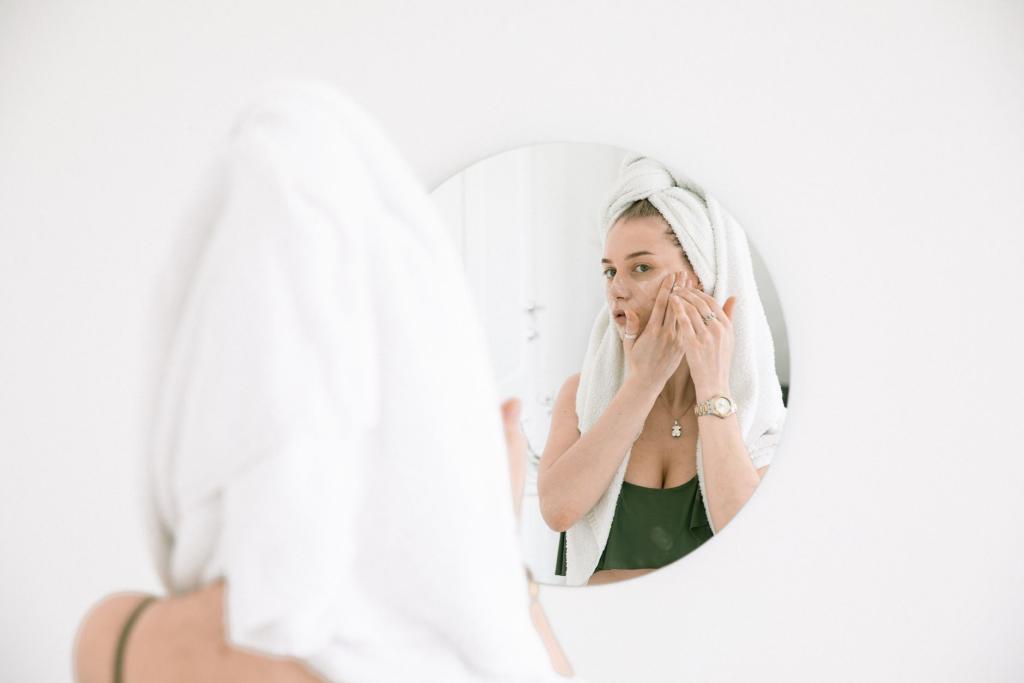
Your TikTok skincare routine might be built on bad science. New research presented in Vienna found that the glass skin trend sweeping the app is soaked in misinformation: nearly ninety-five percent of the most viral Korean skincare videos contained at least one potentially misleading claim — and not a single one was made by a dermatologist. The findings, presented at the European Academy of Dermatology and Venereology Congress 2026, were reported by MedicalXpress on September 30, 2026.
The study is one of the first to put the internet's favorite skincare genre under a microscope. In May 2026, researchers screened the top videos across five Korean skincare search terms using a neutral account with no prior engagement history, a setup designed to keep the algorithm from skewing the sample. After exclusions, thirty-eight videos were assessed for dermatological claims, safety information, quality, and reliability using the Global Quality Scale and a modified DISCERN scoring system.
What the researchers actually found
The numbers are grim for the people filming these routines. Eighty-four percent of the videos failed to account for different skin types, forty-five percent promoted excessive combinations of active ingredients without appropriate safety guidance, and thirty-two percent promised instant results. On the safety basics, the record is worse: only one of the thirty-eight videos mentioned irritation risk, only two addressed sun protection, none mentioned contact dermatitis risk, and none recommended consulting a dermatologist.
Then there is the question of who is talking. Nearly eighty-two percent of the videos were created by non-physician influencers, eleven percent by beauty brands, and eight percent by other beauty content creators. Every video was classified as unreliable or less reliable, and not one cited an external source or reference. As lead author Dr. Maria Lúcia Paysano put it, the results reveal "a clear gap between the popularity of this content and the quality of the information provided," warning that following these routines without individualized guidance can lead to irritation, over-exfoliation, acne flares, or barrier disruption when multiple actives get layered together.
It is not just bad advice — it is landing people in clinics
A separate observational study presented at the same Vienna meeting, reported by Personal Care Insights, shows what happens when viral routines leave the screen. Researchers examined ninety-four patients who developed a new or aggravated skin condition after using cosmetic or dermatological products promoted on social media. Chemical exfoliants containing alpha-hydroxy or beta-hydroxy acids were implicated in thirty-four percent of cases, followed by over-the-counter retinoids at twenty-seven percent, vitamin C serums at fourteen percent, and niacinamide products at eleven percent.
Almost half of those patients had adopted complete skincare routines directly inspired by social media content, and sixty-three percent were using more than three active ingredients at the same time. The reactions ranged from irritant contact dermatitis in forty-two percent of cases to acne onset or significant worsening in twenty-eight percent, plus rosacea flares, post-inflammatory hyperpigmentation, and even superficial chemical burns in seven percent. "Many patients were reproducing complex skin care routines involving several active ingredients simultaneously, often based on advice from nonmedical influencers," said lead author Dr. Ouissal Hormi. Her takeaway is the sentence the whole glass skin trend should carry as a disclaimer: viral does not necessarily mean safe, validated, or suitable for everyone.
What this means for your routine
To be clear, the researchers stressed that Korean skincare itself is not the problem. The underlying principles — gentle cleansing, serious hydration, and barrier care — are solid dermatology. The problem is what happens when those principles get run through the content machine: nuanced guidance flattened into one-size-fits-all routines, stripped of the safety information that makes the difference between glowing skin and a damaged barrier.
If your shelf looks like a viral routine, the study suggests a few practical moves. Patch-test new products instead of introducing five at once. Do not stack multiple active ingredients — retinoids, acids, and vitamin C layered together are the most common route to the injuries the researchers documented. Wear sunscreen daily, since acids and retinoids increase sun sensitivity. And if you already have a skin condition or develop irritation, the researchers say the move is not a different influencer's video — it is a dermatologist. For more on how creator advice shapes what we buy, see how Instagram's AI coach is reshaping creator content, and browse the Internet Famous topic page for the stories behind the videos.
Paysano's closing point is the constructive one: rather than dismissing social media trends, dermatologists have "the opportunity to participate in these conversations and make evidence-based skin care information accurate, accessible and engaging." Until that happens, treat the glass skin trend like any other viral claim — interesting to watch, worth questioning, and no substitute for a professional who has actually seen your skin.
Comments 0
No comments yet. Be the first to share your thoughts!
Leave a comment
Share your thoughts. Your email will not be published.