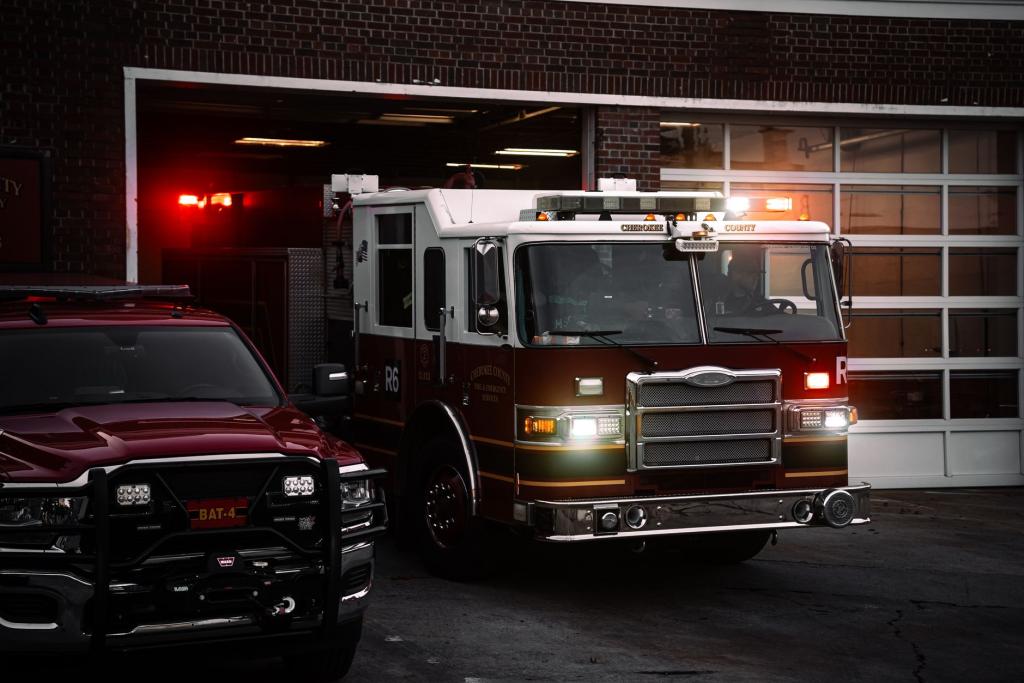
The Tiagz swatting bill warning landed during a live broadcast from a Toronto Airbnb, where Kick IRL streamer Tiagz was told that the next fake emergency call at the address would come with an invoice. According to reporting on the incident, a Toronto police officer said the fire department now treats calls to the property as false alarms and will charge $500 for every truck that responds. The previous hoax fire report brought eight fire trucks to the Airbnb, which would make a repeat cost four thousand dollars. The exchange was caught on camera, and the clip spread across streaming news accounts within hours.
The officer's position is that the fee sticks to the address, not to whoever placed the call. Tiagz asked whether police could trace the calls and identify the person making them. The officer said that part would be handled afterward, but the bill would be placed on the people at the property first. Tiagz pushed back, arguing that whoever was watching his stream and dialing in the fake reports should carry the responsibility. When he refused to accept the charge, the officer replied, "You're gonna have to take that to court then." News of the Tiagz swatting bill warning kept spreading after the clip went up.
A second officer at the scene took a different tone, acknowledging that Tiagz and everyone else at the Airbnb were the victims here. Police said they were investigating the calls and working to trace where they came from, noting that Tiagz had been reporting similar incidents since the previous month. The officers also explained that they had to keep responding to each new emergency report even when earlier calls had proven false, because every report has to be treated as genuine until crews arrive and confirm otherwise. Dexerto reported that police had threatened Tiagz with a mischief arrest over the repeated calls in September.
The streamer told the officers he planned to relocate but did not want to end the broadcast while the person targeting him still knew exactly where he was. He said he was staying on air for his own safety until he could move. Hours later he addressed the confrontation on Instagram, posting a screenshot of the police footage with the captions "Canada is a joke" and "fallen off country," according to Dexerto.
The Tiagz swatting bill and why the victim pays
The Tiagz swatting bill dispute comes down to how false-alarm fees are structured. The fee attaches to the address that received the emergency response, not to the caller, which makes the person whose location is known the only party officials can actually bill. The same officer admitted there was no reason to believe anyone at the property made the calls, yet the invoice would still go to them. For a creator whose location is visible on camera to thousands of viewers, that turns a harassment campaign into a financial one: every new hoax costs the target money even when nobody gets hurt.
Streamers keep getting swatted
The Tiagz swatting bill clip landed days after a similar scare in Austin, where Pokemon streamer Nick White was pulled over by police while livestreaming from inside a Waymo after officers described receiving a possible swatting call. A suitcase White said held more than two hundred thousand dollars in collectible cards was inspected on camera before he was allowed back into the car. IShowSpeed, Kai Cenat, and N3on have all been targeted by swatting calls before, according to Dexerto's reporting. Streamers make easy targets because they are live: a swatter can watch the police arrive in real time, and a streamer's location is often visible on camera or easy to guess.
The calls are dangerous because responding officers treat each report as genuine. A hoax call over an online gaming dispute in Wichita in 2017 ended with police shooting a man at his front door, and the caller was later sentenced to twenty years in federal prison. In 2023, the FBI set up a national database to help departments share information about swatting calls. The Tiagz swatting bill story is not finished: Tiagz is still streaming from the same address, with the next fake alarm potentially costing him thousands of dollars he says he did not cause, while the police investigation into who is placing the calls continues.
Comments 0
No comments yet. Be the first to share your thoughts!
Leave a comment
Share your thoughts. Your email will not be published.