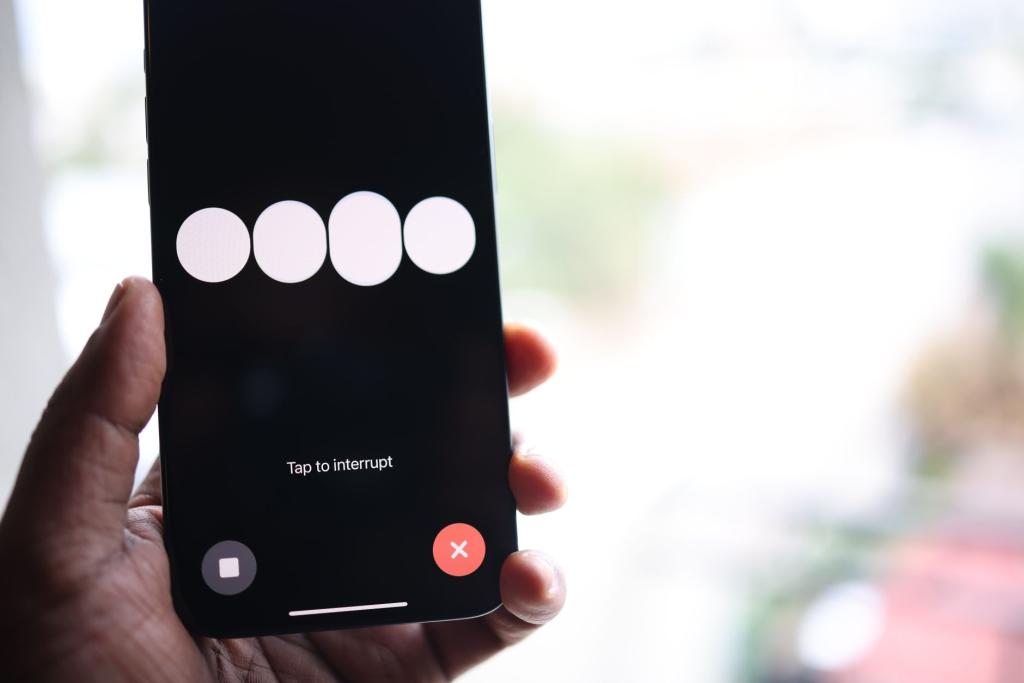
Almost nobody feels good about handing their data to an AI assistant. Most people do it anyway. According to new findings from Usercentrics' State of Digital Trust research, released in late September 2026, close to six in ten consumers are uncomfortable letting an AI assistant access their data — yet just seven percent say they are fully comfortable granting that access with no conditions attached. More than twice as many grant the access despite their discomfort, a pattern the report names resigned consent: permission given not because the request feels right, but because refusing feels like more trouble than it is worth.
The study, conducted by the research firm Sapio across seven markets, surveyed 11,000 consumers with fieldwork in March 2026, and the full Resigned Consent report is published on the company's site. Its central warning is aimed at the companies racing to wire AI assistants, copilots and agents into products that touch personal data: an access rate and a trust signal are not the same thing. "A resigned yes and a real one look identical in your consent rate, but behave nothing alike," said Tilman Harmeling of Usercentrics' strategy and market intelligence team, in the company's statement. "One holds under pressure. The other holds until the first bad headline."
The distinction matters because businesses keep citing high opt-in numbers as proof their AI rollouts are landing. The report argues those numbers are a faulty proxy. A genuine yes shows up later as loyalty and retention; a resigned one shows up as churn, complaints and quietly revoked permissions — with nobody tracing either outcome back to the original tap on "allow."
Germany says yes the most — and means it least
The only variable that changes the resigned-consent pattern is country, not age or data category. German consumers grant access more reluctantly than any market surveyed: their resigned-consent rate averages 24 percent, more than double the rates in Britain and the United States, and it holds steady between 23 and 24 percent across all six data categories tested. Paradoxically, Germany is also the market least likely to refuse outright, with a flat refusal rate of 16 percent against a 23 percent global average. It is, in the report's phrasing, the market most ready to say yes — and the yes it gives is the most reluctant anywhere.
The explanation, the researchers suggest, is regulatory. German consumers rank trust in the legal framework above brand transparency as their reason for granting access — the opposite of every other market studied. People appear to be relying on the rules to catch problems rather than on the request itself feeling right, which produces high comfort on paper and low genuine enthusiasm underneath. At the other end sit British and American consumers, whose resigned rates run around a tenth of requests: when they say yes, they are more likely to mean it, so a lower access rate there is arguably a clearer signal, not a weaker one. Swedes and Dutch consumers resolve the tension differently again — they are simply more likely to walk away than to resign themselves.
Gen Z is not the exception
Younger users are not more willing than anyone else; they are just less likely to refuse. Among consumers who say yes, roughly a quarter to a third are resigned in every generation surveyed, Gen Z included. Age does not decide how reluctant a yes is — it decides how often someone reaches yes at all. The categories people encounter most often hide the most resignation: work tools, email and calendar, and health data post the highest resigned rates of any category, about one in six, a pattern consistent with consent fatigue, where repeated requests wear down engagement without reducing the underlying discomfort.
This is not a new dynamic, only a new stage for it. The cookie-banner era that followed Europe's 2018 privacy rules trained a generation to click "accept all" to make a box disappear; the smartphone era then moved the same ritual onto app permission prompts. AI assistants and agents are the third act, arriving with far broader access — inboxes, calendars, health records, company accounts — while asking through the same tired interface. The report's timeline runs from that banner fatigue through March 2026 fieldwork to its September 2026 release, and its closing argument looks ahead: the brands consumers will trust with AI access in 2027 are deciding how they ask right now.
Why the messenger matters
A grain of salt is warranted about the source. Usercentrics sells consent-management software — its platform, the company notes, processes more than 8.8 billion user consents a month — so a report concluding that companies need better consent design is, conveniently, a report that sells the author's product. That commercial interest does not invalidate the 11,000-person dataset, but it is worth keeping in mind when the remedy on offer is hiring specialists like the ones writing the report.
Still, the remedy the report proposes cuts against its own sales pitch in one interesting way: it argues the goal should not be a higher opt-in rate at all. Honest consent design — equal visual weight for accept, decline and customize; granular per-category choices instead of all-or-nothing; opt-out as easy as opt-in; asking at the moment of use rather than upfront — will likely produce lower access rates than the screens companies run today. That is the point. The yeses that survive are the ones likely to hold when something goes wrong, and as AI agents reach deeper into inboxes and accounts, the cost of a brittle, resigned yes keeps rising. Readers can apply the same test in reverse: the next time an app asks for broad access, check whether declining is as easy as accepting — and whether you can say yes to email but no to financial accounts. If you cannot, you are not being asked. You are being routed.
For more on how data and design shape digital life, see the Deep Dives desk, and this newsroom's look at how AI is squeezing freelancers in 2026.
Comments 0
No comments yet. Be the first to share your thoughts!
Leave a comment
Share your thoughts. Your email will not be published.