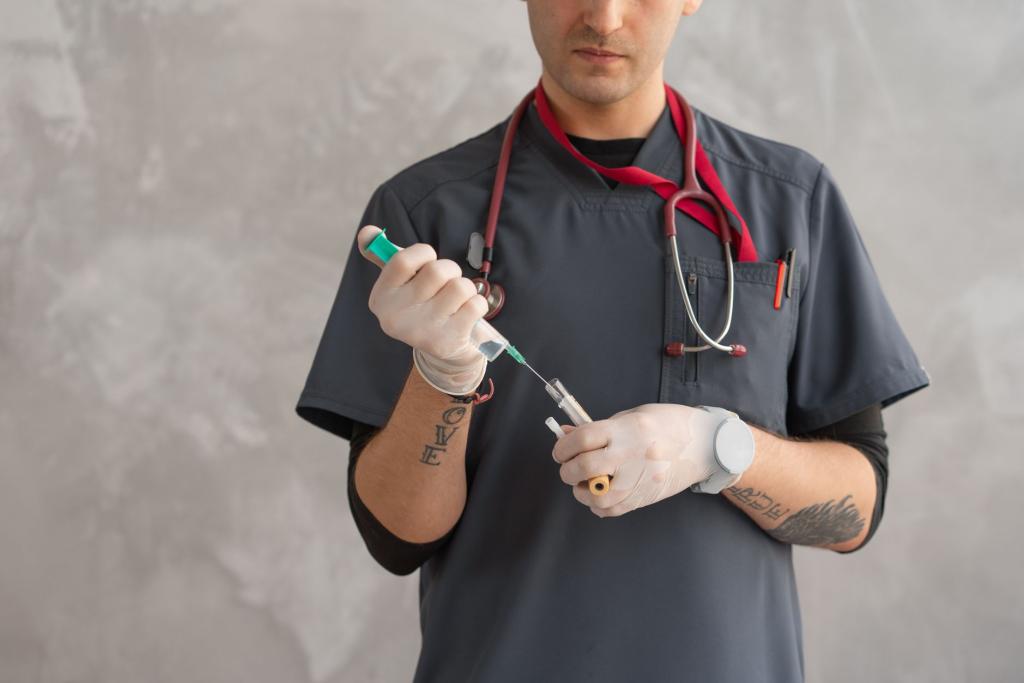
After years of waiting on a prevention method that does not require a daily pill, the twice-yearly HIV prevention shot has started rolling out across Africa. The drug, lenacapavir, is given as an injection once every six months, and clinical trials found it protected nearly everyone who received it from contracting HIV, according to Africazine. South Africa launched the national program in June 2026, when President Cyril Ramaphosa officially started the rollout in Secunda, Mpumalanga, according to Devdiscourse. It is free at public clinics, according to the health journalism center Bhekisisa, a detail that matters in a country where daily prevention pills have struggled with uptake for years.
Uptake moved faster than the program's planners projected. The program reached about three hundred sixty public clinics across twenty-four districts in six provinces within its first months, and Department of Health figures reported by Africazine show more than seventy thousand people had received the injection as of early October. That was up from roughly fifty-five thousand a month earlier, according to the Ubuntu Times. The government has set ambitious targets: a million people on the shot by the end of next year and three million within three years, Devdiscourse reported. Health Minister Aaron Motsoaledi warned that demand would likely outstrip the first donated supply, according to an Associated Press report carried by Medical Xpress.
South Africa is not alone. Eight African countries have begun receiving shipments of the twice-yearly HIV prevention shot, according to Forbes Africa, as part of a rollout covering countries that carry roughly two-thirds of the region's HIV burden. The drug's maker, Gilead Sciences, struck voluntary licensing deals with generic drugmakers that could bring the annual cost per person down to around forty dollars, Forbes Africa reported.
UNAIDS data cited in that report shows about one point three million people were newly infected with HIV in 2024, with women and girls accounting for more than sixty percent of new cases in sub-Saharan Africa. Dr. Kutyyi Ango Dada, a Nigerian public health doctor, told Forbes Africa the long-acting schedule gives young people and women a more discreet option, especially where stigma makes daily pills hard to stick with. For more on why prevention designed around women's lives matters, see the reproductive health report every Gen Z woman should see.
Zimbabwe shows how fast demand can arrive. A pilot program that began in February 2026 has already started nearly five thousand people on the injection across twelve sites, with about five hundred new initiations each week, the Observer Zim reported. The first consignment of two thousand doses was gone within two weeks. The country will begin a nationwide rollout in January 2027, after receiving twenty-three thousand doses and expecting twenty thousand more under US-funded support, according to the Observer Zim. Dr. Owen Mugurungi, the health ministry's AIDS and TB unit director, told the paper demand had been far stronger than expected and the medicine was particularly popular among women and people who had never used HIV prevention drugs before.
The real bottleneck is awareness
But the twice-yearly HIV prevention shot faces the same problem that has blunted every prevention tool before it: most people at risk have never heard of it. A 2022 survey found that only a third of sexually active South Africans over fifteen had even heard of HIV prevention pills, according to Africazine. The health journalism center Bhekisisa warned this month that lenacapavir will not sell itself, pointing to research from Wits University's HE2RO office showing that personal outreach works far better than mass media. In one project, peer navigators and community outreach convinced between forty-six and fifty percent of people to start prevention medication immediately, compared with twenty-one to thirty-four percent through less personal channels, Bhekisisa reported.
Funding remains an open question. South Africa's health system took a serious hit when the United States abruptly cut funding from USAID and other government sources in early 2025, with severe effects on HIV and tuberculosis programs, Medical Xpress reported. South Africa's first phase is covered by a roughly twenty-nine million dollar Global Fund grant plus five million dollars from the networking organization NACOSA. Zimbabwe, meanwhile, will need new funding sources once its US-supported supplies run out, the Observer Zim reported.
What changes for the generation that hates daily pills
For young people, the appeal of the twice-yearly HIV prevention shot is simple: two clinic visits a year instead of a daily reminder of risk. Stigma and pill fatigue have long undermined daily PrEP, and a discreet injection sidesteps both. The same dynamic is behind the doxy-PEP conversation, the morning-after pill for sexually transmitted infections that GenZ NewZ covered this year: prevention tools that fit real life work better than ones that demand daily discipline.
Lenacapavir is not only a prevention story. Researchers at the University of California, San Francisco reported this month in JAMA Network Open that combining lenacapavir with cabotegravir restored HIV control in forty-six patients whose virus had become resistant to standard drugs. Study senior author Dr. Monica Gandhi said clinicians had already started using the two drugs together with very little evidence to guide them, according to a HealthDay report carried by Drugs.com. The twice-yearly HIV prevention shot, it turns out, may pull double duty.
Whether the twice-yearly HIV prevention shot changes the course of the epidemic will be decided outside the lab: Zimbabwe's nationwide rollout begins in January, South Africa is racing toward a million people by the end of next year, and eight countries are already receiving shipments. The open question is whether the people who need the shot most find out it exists.
Comments 0
No comments yet. Be the first to share your thoughts!
Leave a comment
Share your thoughts. Your email will not be published.