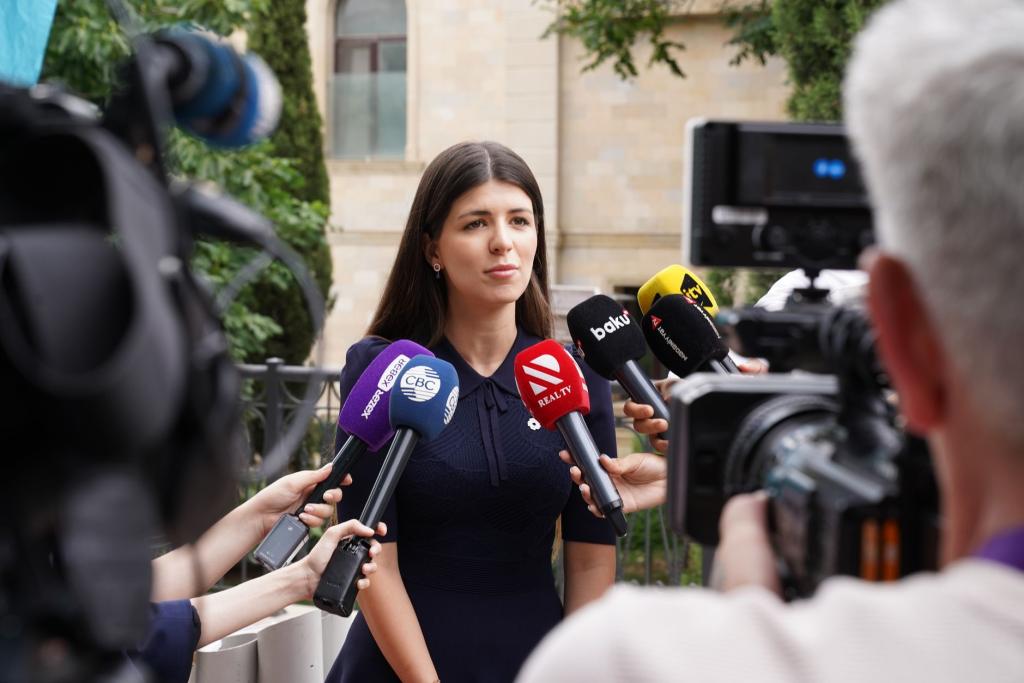
On Saturday, September 19, 2026, journalists from CNN, MS NOW and Politico arrived at the White House to work and found themselves locked out. Their press passes had been deactivated, and security personnel confiscated their credentials at the gates, Reuters reported. The Trump press ban, announced by President Donald Trump on Truth Social the previous evening, had taken effect.
Trump declared the ban "effective immediately" on Friday, September 18, accusing the three outlets of publishing "fake news" and what he called "FICTION and LIES," according to USA Today. The president said no single story or incident had triggered the decision. Speaking in the Oval Office, he described the move as the product of years of negative coverage and said the outlets should not be permitted to keep publishing falsehoods about the presidency, the administration and the country. He added that he did not have to admit such outlets into the building long known as the "people's house." Trump also warned that more news organizations could follow, naming The New York Times and The Washington Post as examples, though he stopped short of saying either would be banned.
The order does not stop any of the three outlets from reporting on the administration. It strips them of physical access to White House grounds, where reporters question the president directly and interact with senior officials. CNN reporter Betsy Klein said a Secret Service agent told her the pass had been deactivated and referred her to the White House press office. MS NOW correspondent Akayla Gardner said an officer ordered her to hand over her badge, telling her the decision was above his authority. A Politico spokesperson confirmed that reporter Cheyenne Haslett was denied entry and had her pass seized.
Legal challenges expected within days
All three organizations signaled that they would fight the ban in court. CNN described the restriction as an unlawful attack on its constitutional right to report without government interference. MS NOW said it would take every step needed to defend the First Amendment rights of its journalists, while Politico pledged to defend its reporters' access. First Amendment advocacy groups rallied behind the outlets on Sunday. The deputy director of advocacy at the Freedom of the Press Foundation said filings seeking an injunction, or even a faster temporary restraining order, could arrive as early as Monday morning.
Legal experts widely expect the courts to strike the ban down. The central issue is viewpoint discrimination: the First Amendment bars the government from favoring some journalists over others once it has opened its facilities to the press generally. That principle has been upheld in case after case, and Trump's own statements could weigh against him. National Press Club president Mark Schoeff Jr. said the First Amendment does not allow the government to pick which journalists may do their jobs. The position draws support from recent precedent. Last year, after Trump briefly banned The Associated Press from certain events, a judge he had appointed ruled that once the White House opens facilities such as the Brady Briefing Room to the press generally, it cannot exclude journalists based on viewpoint.
Waltz defends the ban as media rivals unite
Mike Waltz, Trump's ambassador to the United Nations, defended the ban on CNN's "State of the Union" on Sunday morning, appearing on the network after being booked before the restriction took effect, CNN reported. Waltz argued that the president was within his rights to limit access to government facilities for journalists he did not consider to be acting in good faith. He pointed to a 1965 Supreme Court ruling, Zemel v. Rusk, in which the court held that the right to publish does not include an unlimited right to gather information. Press freedom advocates rejected the comparison, noting that the current dispute turns on the reason for the exclusion: Trump has been explicit that the ban punishes coverage he deems negative.
Republican lawmakers largely avoided the legal questions on Sunday talk programs, preferring political arguments. On ABC's "This Week," Senator Steve Scalise praised the president's willingness to take questions from reporters at length. Democratic officials took the opposite view, with Maryland Governor Wes Moore saying on "State of the Union" that the president appeared to have a problem with the Constitution. The reaction crossed the usual media rivalries. The Washington Post called the ban an act of intimidation meant to silence coverage. Fox News devoted time to the story on "Fox News Sunday," where White House Correspondents' Association president Jacqui Heinrich interviewed her predecessor, Weijia Jiang of CBS, about why open access matters for the public's right to weigh different perspectives. The New York Times called the Trump press ban yet another retaliatory and unconstitutional threat, according to Reuters, and said the newspaper stood in support of the targeted outlets.
The confrontation comes at a delicate moment for the administration. Trump's approval rating sits near record lows in most polls, and Republicans face a difficult midterm landscape in November, with Democrats favored to reclaim the House. Whether the ban survives its first court test may be decided quickly: the outlets' filings are expected in the coming days, and the Justice Department has not yet said how it will defend a move that legal scholars across the spectrum describe as unconstitutional. In the meantime, the three outlets say their coverage of the White House will continue from outside the gates. The episode also follows a stretch of high-stakes foreign policy moves from the administration, including the US Signs Greenland Deal for Permanent Arctic Military Rights and the Trump Xi State Dinner: Inside the High-Stakes Summit signed earlier in the month.
Comments 0
No comments yet. Be the first to share your thoughts!
Leave a comment
Share your thoughts. Your email will not be published.